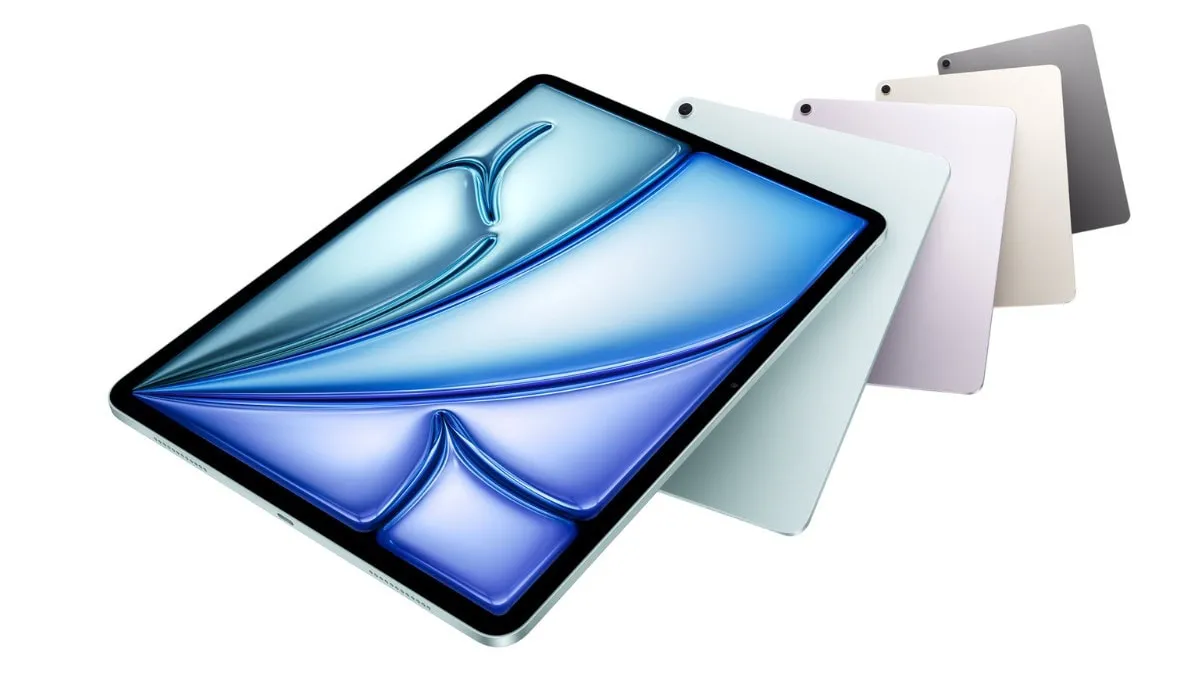
Apple iPad Air OLED Display Transition Planned for 2027
Apple could bring OLED displays to its iPad Air lineup in the first half of 2027, according to a new report from South Korea. The move would bring the Air closer to Apple's premium iPad models, marking a significant hardware shift for the mid-range tablet category.
The latest iPad Pro and iPad Mini already feature OLED displays. However, both the 11-inch and 13-inch iPad Air models still use LCD panels. The reported upgrade would mark a major display change for Apple's mid-range tablet lineup, shifting display standards across the product family.
Industry analysts and supply chain observers note that display transitions require years of planning between Apple and its manufacturing partners. Bringing organic light-emitting diode technology to a higher-volume product like the Air requires stable yields and large manufacturing capacity. Samsung Display and other key suppliers are already preparing production lines to meet the anticipated demand.
Expected Shipment Numbers for 2027 iPad Models
South Korean industry sources estimate that Apple could ship 4 to 5 million OLED iPad Air units in 2027. The company could also ship 3 to 4 million iPad Pro units and 4 to 5 million iPad mini units during the same period.
These shipment figures highlight the scale of Apple tablet production and the commercial importance of display upgrades. The iPad Air sits in a crucial spot for the company, offering performance close to the Pro models at a lower price point. Expanding advanced screen technology to this tier helps maintain buyer interest across different product categories.
Manufacturing partners rely on these volume estimates to plan raw material procurement and factory staffing. Supplying millions of panels for global distribution demands rigorous quality control and consistent supply chain management throughout the year.
Display Supplier Breakdown for iPad Air and Pro
Samsung Display is expected to supply OLED panels for the iPad mini. It could also handle most of the iPad Air orders alongside BOE. Meanwhile, LG Display and Samsung Display will continue supplying panels for the iPad Pro. LG Display is expected to take the larger share of those orders.
BOE is also reportedly seeking panel orders for one of the two iPad Air sizes. However, it remains unclear whether the Chinese supplier will secure the deal. Supplier diversification allows Apple to manage costs and secure stable components from multiple manufacturing plants.
Each panel manufacturer uses specialized fabrication facilities to produce these advanced screens. The division of orders reflects each supplier's historical strengths in specific screen sizes and panel technologies.
Understanding the Difference Between Single-Stack and Tandem OLED
Apple is also expected to maintain a clear difference between its premium and cheaper OLED tablets. The iPad Pro will continue using tandem OLED technology with LTPO. In comparison, the iPad mini and iPad Air will reportedly use single-stack OLED panels with LTPS.
Tandem OLED technology stacks two emission layers together, offering higher brightness and greater longevity. This approach is more expensive to manufacture, which suits the high-end iPad Pro. Single-stack panels use only one emission layer, making them more cost-effective for mid-range and entry-level devices.
LTPO and LTPS refer to the backplane technology used to control pixels on the screen. LTPO supports variable refresh rates down to very low hertz to save battery life. LTPS is a mature technology that provides reliable performance for standard refresh rate panels.
Why Apple is Bringing OLED to More Affordable Tablets
This approach would help Apple bring OLED displays to more affordable iPads without using the more expensive technology found in its Pro models. Consumers purchasing the iPad Air gain deeper blacks and higher contrast ratios compared to traditional LCD screens.
Display technology has advanced rapidly over the past decade, lowering production costs for consumer electronics. Implementing these screens across multiple tiers keeps older LCD technology from lingering too long in modern devices. Buyers benefit from richer visual experiences without paying Pro-tier prices.
Market competition also drives manufacturers to adopt superior screen technologies. Rival tablet makers already offer OLED screens in various price categories, pushing Apple to update its mid-range offerings.
What to Watch for in Apple Supply Chain Reports
Observers will monitor future supply chain disclosures for confirmation of BOE panel certification. Securing a contract for the iPad Air would expand BOE's footprint in Apple's tablet division. Final agreements typically solidify roughly one year before mass production begins.
Production schedules for the first half of 2027 indicate that component manufacturing could begin in late 2026. Regulatory filings and earnings reports from Samsung Display, LG Display, and BOE often provide early clues regarding major client orders.
Consumers interested in buying an iPad Air should look toward early 2027 for official product announcements. Apple typically holds spring events where major hardware revisions to the iPad lineup are unveiled to the public.