A highly contagious disease that spreads through close skin contact and contaminated bedding has forced the closure of several hospital wards in Wales, health officials said on Friday, November 6.
Hywel Dda University Health Board confirmed that three wards at Glangwili Hospital in Carmarthen and one ward at Prince Philip Hospital in Llanelli were shut to contain a scabies outbreak that has been recurring throughout the summer and again in October.
What is scabies and why is it considered a Victorian-era disease?
Scabies is caused by the microscopic mite Sarcoptes scabiei var. hominis. Female mites burrow into the upper layer of skin, where they feed, excrete waste and lay eggs. Each female lays two to three eggs daily throughout her life. Eggs hatch into larvae within three to four days, rise to the skin surface, mature, and repeat the cycle.
The condition is linked to a resurgence of diseases that were common in the Victorian era, such as measles, which has also risen since 2021. Overcrowding, shared bedding and limited access to hygiene facilities create environments where the mites can thrive.
How does scabies spread in a hospital setting?
Transmission occurs when an uninfected person has prolonged skin-to-skin contact with someone who carries the mites, or when they share towels, bedding or clothing that have been in direct contact with an infested individual. In a hospital, patients, staff and visitors all move through shared spaces, making the risk of cross-contamination high.
Even after infestation, symptoms may not appear for four to eight weeks. During this incubation period, a person can still spread the mites, complicating detection and containment efforts.
What are the key symptoms that patients and visitors should watch for?
The most obvious sign is intense itching that worsens at night. The itching is not caused by the mites crawling but by an allergic reaction to mite proteins, eggs and feces left under the skin.
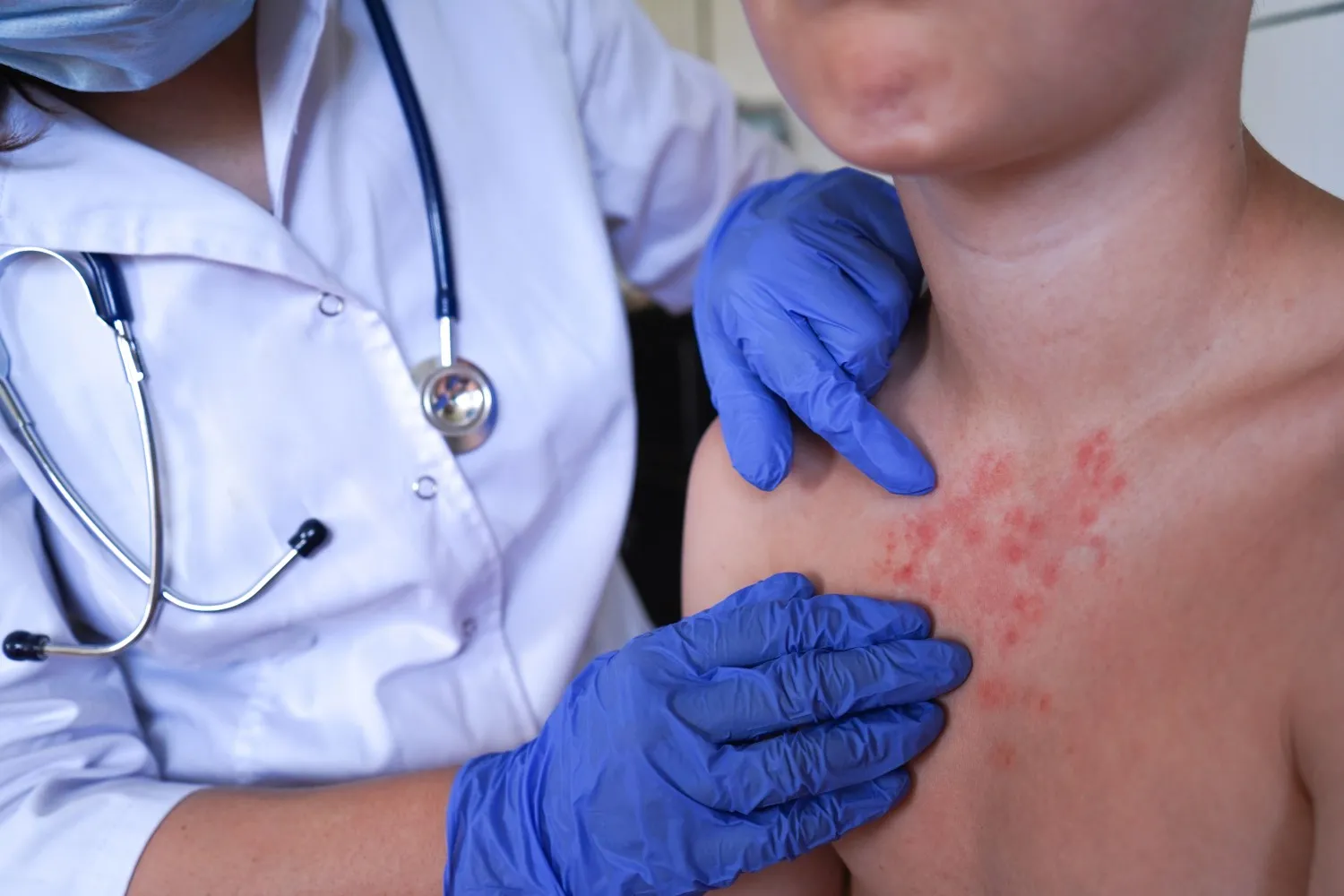
Visible signs may include tiny silver or grey thread-like lines where the mites have tunneled, pimple-like spots, or a red, itchy rash. In adults, the mites commonly cluster between the fingers and in skin folds of the wrist, elbow, knee and armpit, as well as on the penis, nipples, waist, buttocks and shoulder blades.
Children and babies often develop rashes on the face, neck, palms, head and soles of the feet.
What measures have the hospitals taken to limit the outbreak?
Sharon Daniel, executive director of patient experience at Hywel Dda University Health Board, said, "Additional infection prevention measures and a co-ordinated treatment programme are in place to protect patients, staff and visitors and help prevent further spread."
Specific actions include:
- Closing three wards at Glangwili Hospital and one ward at Prince Philip Hospital.
- Restricting visitor access to the affected areas.
- Enhancing personal protective equipment (PPE) protocols for staff.
- Contacting patients who have recently been discharged from the closed wards to arrange assessment and treatment.
- Implementing heightened surveillance and cleaning regimes across the hospitals.
Daniel added, "The health, safety and wellbeing of our patients, visitors and staff is our priority, and we remain alert because the transmission pathway crosses hospital, staff, community and care-home settings."
How should households deal with scabies at home?
Anyone with a confirmed case should wash all bedding, towels and clothing that have had direct skin contact at a minimum temperature of 50 °C. This temperature is sufficient to kill both mites and eggs.
Items that cannot be washed, such as delicate fabrics that require dry-cleaning, should be placed in a sealed bag for up to one week. Mites typically cannot survive more than three days away from a human host, so sealing them for a week ensures they die.
What is the broader public health context?
Scabies outbreaks are not isolated events. The same health board reported multiple closures during the summer and again in October, indicating a pattern of recurring infestations. Public health officials warn that the disease can move easily between hospitals, community settings and care homes, creating a network of transmission that is difficult to break without coordinated action.
National health agencies have issued guidance urging healthcare facilities to adopt rapid identification, isolation of cases, and comprehensive cleaning protocols. The guidance also emphasizes education for staff and the public about early symptom recognition and proper laundering practices.
What should patients and visitors do now?
Visitors are advised to follow any signage restricting entry to closed wards and to use the provided PPE when entering other parts of the hospital. Anyone who notices intense itching, especially at night, or sees the characteristic thread-like lines on the skin should seek medical advice promptly.
Patients discharged from the affected wards will be contacted directly by the health board. Those who receive a call should cooperate with any recommended treatment plan and inform household members to begin cleaning measures.
For further concerns, the health board has asked the public to contact the wards directly using the phone numbers posted on the hospitals' websites.
By combining ward closures, strict visitor controls, enhanced PPE use and rigorous laundering, the health board hopes to contain the outbreak and prevent further spread across the region.