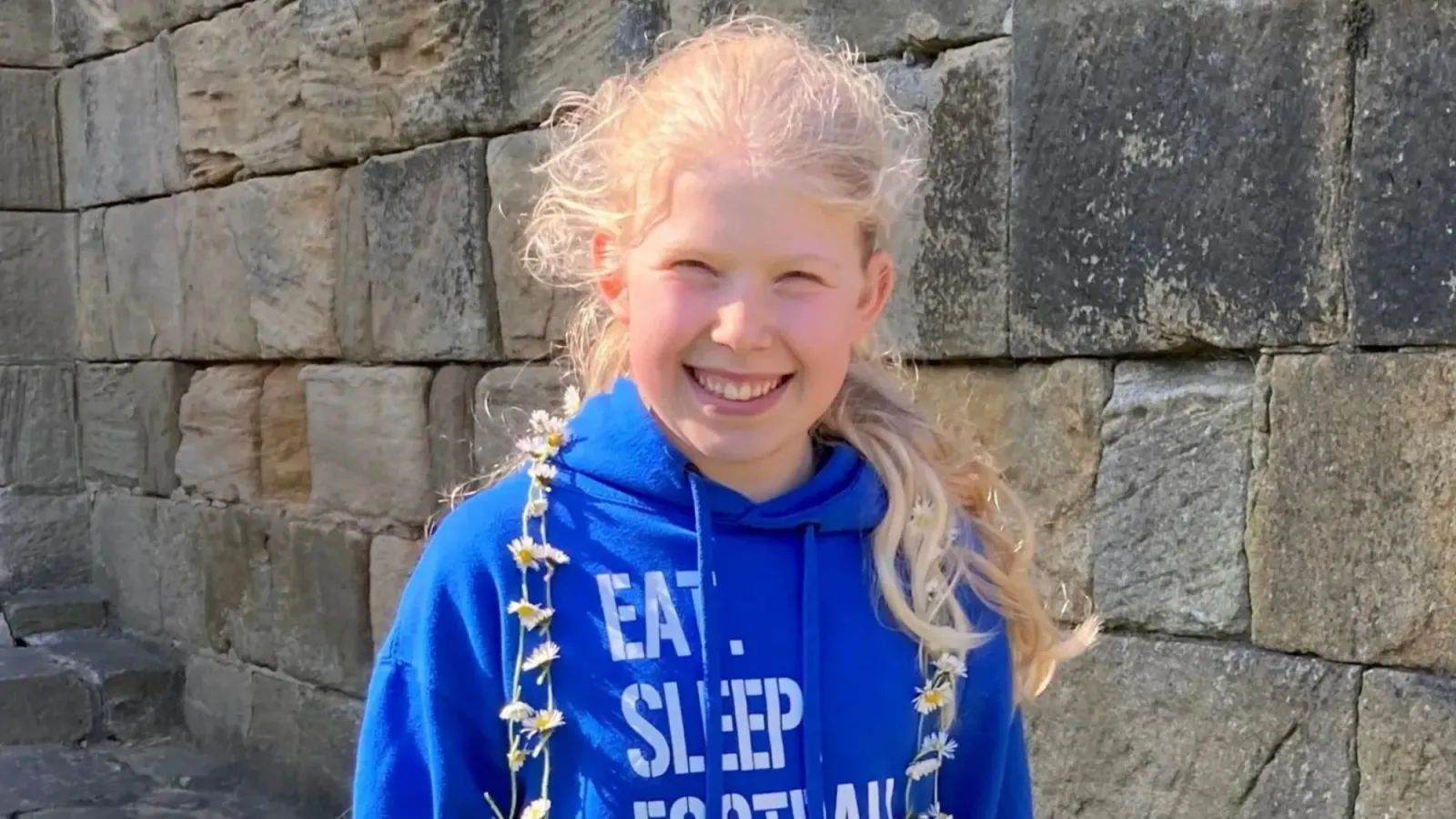
A 13-year-old schoolgirl suffered two strokes after medical professionals initially blamed her worsening symptoms on a sinus infection. Matilda Stacey was visiting family in the US during the summer of 2024 when she started experiencing an unusual and constant headache. Clinicians in the US diagnosed her with a sinus issue, administered antibiotics and fluids, and cleared her to fly back to the UK. However, her condition deteriorated after her return, leaving her exhausted, unable to eat or drink, and barely able to lift her head without pain. Following an overnight layover at Heathrow after landing, her family rushed her to Newcastle A&E on August 16 once they arrived back in the North East.
Just two days later, on her mother Kimberly's birthday, Matilda noticed her left leg had suddenly gone numb. Nurses initially dismissed the numbness as a dead leg, according to her parents. The following day, her speech became jumbled, the right side of her body moved uncontrollably, and her left side became unresponsive. Kimberly described the situation as terrifying, noting that neither of them could understand what was happening and feeling frustrated by the lack of explanations.
Matilda was transferred to paediatric intensive care, where tests revealed the infection had spread through the meninges, the protective layers surrounding the brain, causing vasculitis. Medical staff warned her parents that she faced a high risk of another catastrophic stroke and advised them not to get their hopes up. She spent two weeks in intensive care, underwent emergency sinus surgery, and suffered a second stroke during this period. A positive turning point came when she asked for a chocolate milkshake, giving her family hope.
After leaving intensive care, she spent another two months in the hospital undergoing a slow and relentless recovery where she had to relearn how to walk, talk, eat, and kick a football. She missed the first two months of high school. Following months of rehabilitation, she returned to grassroots football and now represents Newcastle United's Cerebral Palsy football team, alongside completing her Bronze Duke of Edinburgh Award. Teaching assistant Kimberly, 51, and husband Robert, 44, who also share an 18-year-old son named William, expressed pride in her resilience.
The signs of stroke in children
The Stroke Association reports around 400 cases of childhood stroke annually in the UK. Causes vary by age. Babies up to 28 days old can experience strokes from blood clots breaking off the placenta or clotting disorders, with seizures being a common sign. For children aged 29 days to 18 years, causes include infectious diseases, head or neck trauma, vascular problems, or blood disorders. Both ischaemic strokes, caused by blood supply blockages, and haemorrhagic strokes, caused by bleeding blood vessels, occur equally in children. Warning signs in children include weakness or paralysis on one side of the body, facial drooping, speech problems, headaches, and vomiting.
Roughly half of all childhood stroke survivors experience long-term physical, cognitive, or neurological impairments. Matilda is sharing her story to support the Stroke Association's Survival Is Not Enough campaign, hoping to foster greater understanding of young survivors. She emphasized that individuals can struggle even when they appear fine and urged people to show more empathy.