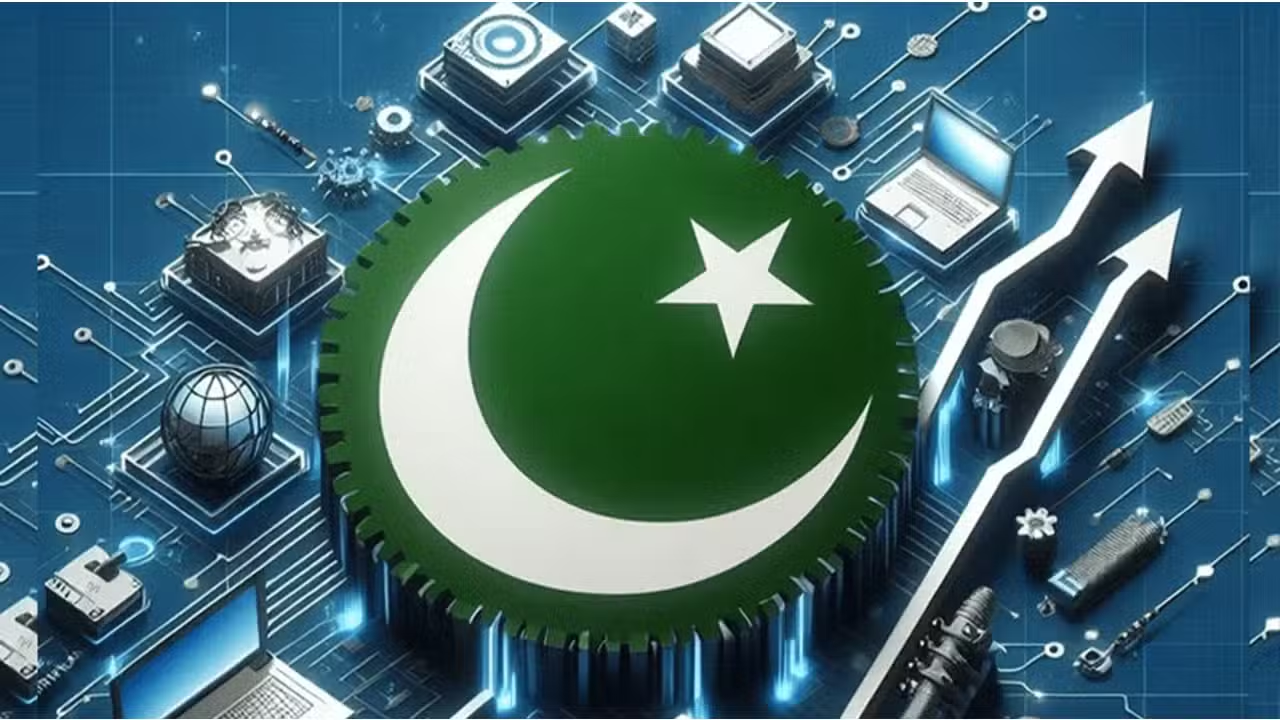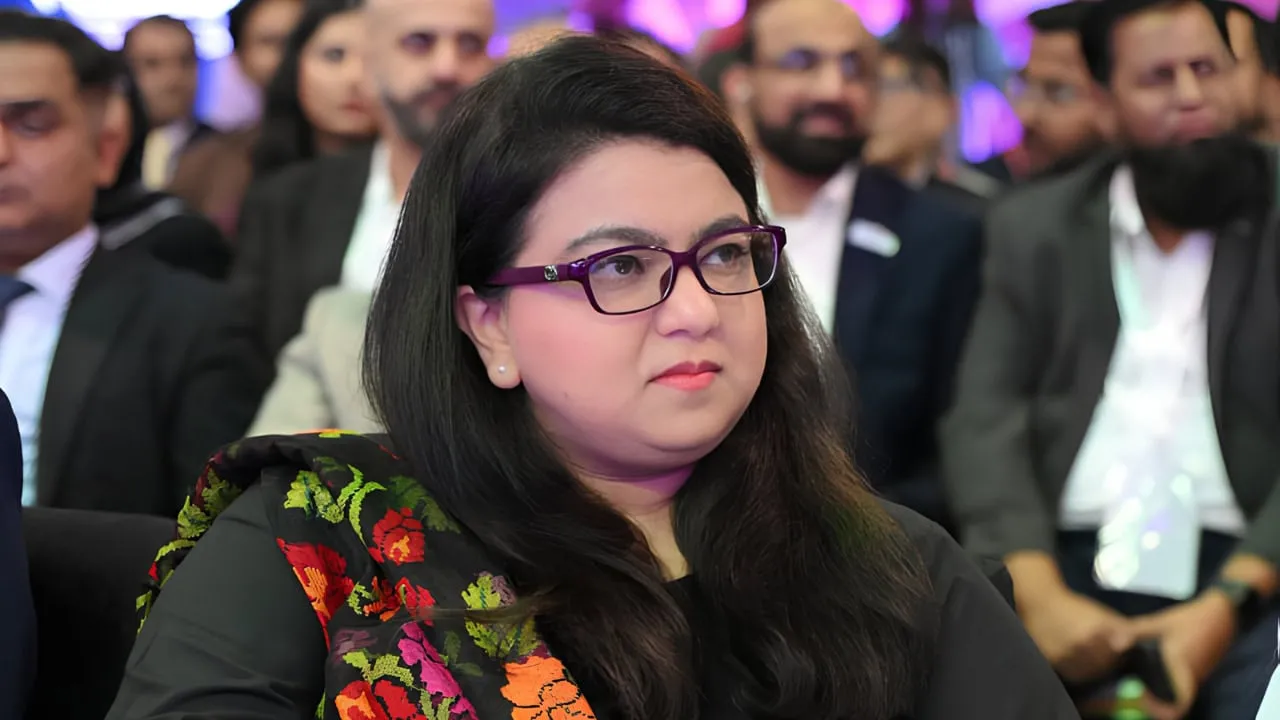
Federal Minister for Information Technology Shaza Fatima Khawaja was named the Fast Mode Industry Champion of the Year 2026 at the global Fast Mode Awards, a ceremony that drew competition from more than 500 companies in over 60 countries.
The award, the highest individual honor the Fast Mode Awards bestow, is given to a single leader worldwide each year. Khawaja's win underscores a sweeping transformation in Pakistan's digital economy and places the country on the world stage for technology leadership.
What the Fast Mode Industry Champion Award Recognizes
The Fast Mode Awards are organized by an international consortium that evaluates technology leaders on export performance, sector growth, and policy impact. The Industry Champion category focuses on individuals who have driven measurable expansion in IT services, hardware manufacturing, and digital inclusion. Winners are selected by a panel of senior executives from multinational tech firms and senior officials from the International Telecommunication Union.
Why Shaza Fatima Won the Industry Champion Award
Under Khawaja's stewardship, Pakistan posted a record $4.6 billion in IT and IT-enabled services (ITeS) exports for the fiscal year 2025-26. The sector also generated a historic trade surplus of $3.9 billion, outpacing all other service categories in the country.
Freelance earnings rose sharply, with Pakistani freelancers earning $1.76 billion - the highest figure ever recorded. The freelance workforce now exceeds 2.37 million people, reflecting the country's growing reputation as a hub for remote digital talent.
In March 2026, Pakistan concluded its largest spectrum auction to date, covering 5G and next-generation mobile services. The auction expanded total spectrum allocation to 750 MHz, a figure that positions the nation among the top Asian markets for bandwidth availability.
In a parallel policy move, Pakistan became the first Asian nation to eliminate Right of Way (RoW) charges for telecom infrastructure. The decision was aimed at speeding up fiber-optic network roll-out, reducing costs for operators and accelerating broadband penetration in underserved areas.
How Telecom Reforms Accelerated Connectivity
The removal of RoW fees removed a long-standing financial barrier for telecom firms seeking to lay fiber along public roads and railways. By cutting the average per-kilometer cost of fiber deployment by an estimated 30 percent, the reform opened the door for both private and state-run operators to extend high-speed broadband to rural districts that previously lacked reliable internet.
Industry analysts note that the spectrum auction and RoW reform together created a conducive environment for rapid 5G rollout. Early 5G trials in Karachi and Lahore reported download speeds exceeding 1 Gbps, a benchmark that aligns Pakistan with leading global markets.
Global Tech Giants & Digital Literacy Triumphs
International technology firms responded to the favorable policy climate. In August 2026, Google formally registered its operations in Pakistan and opened its first local office, signalling confidence in the market's growth trajectory.
At the same time, a domestic assembly line began producing Chromebooks, with an annual capacity of 600,000 units. The facility not only creates jobs but also supplies affordable devices for schools and vocational training centers.
The DigiSkills program, a government-backed initiative, delivered free digital training to more than 4.5 million young people, including 800,000 women. The program's curriculum covers basic computer use, coding, and online freelancing skills, directly feeding the expanding freelance sector.
These efforts produced the fastest worldwide progress in narrowing the mobile internet gender gap. Pakistan reduced the gap from 38 percent to 8 percent, a shift that the International Telecommunication Union (ITU) highlighted in its 2026 ICT Development Index.
Pakistan's overall ranking in the ITU's ICT Development Index rose by 27 places in 2026, reflecting improvements across infrastructure, affordability, and digital skills.
What the Award Means for Pakistan's IT Policy Landscape
Khawaja's recognition validates the ministry's strategy of combining export promotion, spectrum liberalisation, and gender-focused digital training. The award is expected to attract further foreign direct investment, especially in high-value-add services such as cloud computing, artificial intelligence, and cybersecurity.
Policy experts anticipate that the next fiscal budget will allocate additional resources to expand 5G coverage, support local hardware manufacturing, and scale the DigiSkills platform to reach an extra 2 million participants.
Practical Takeaways for Stakeholders
For freelancers, the surge in export earnings signals stronger demand from overseas clients and higher rates for specialized skills. For telecom operators, the expanded spectrum and RoW reforms lower entry costs for 5G projects, encouraging network densification.
Educators and training providers can leverage the DigiSkills model to design curricula that align with market needs, especially in areas like mobile app development and e-commerce support.
Investors should note the growing hardware ecosystem, exemplified by the Chromebook assembly line, as an indicator of a maturing supply chain that can support larger scale manufacturing of consumer electronics.
What Comes Next
The Fast Mode Awards committee will publish a detailed report on the criteria used to select the Industry Champion, offering insights for other emerging markets seeking similar recognition.
Pakistan's Ministry of Information Technology has announced plans to host an international tech summit in early 2027, aiming to showcase the country's achievements and attract partnership opportunities.
Stakeholders are advised to monitor upcoming regulatory updates related to data localisation, cybersecurity standards, and incentives for research and development, as these will shape the next phase of growth.