Sindh Launches Embryo Transfer Technology for Livestock
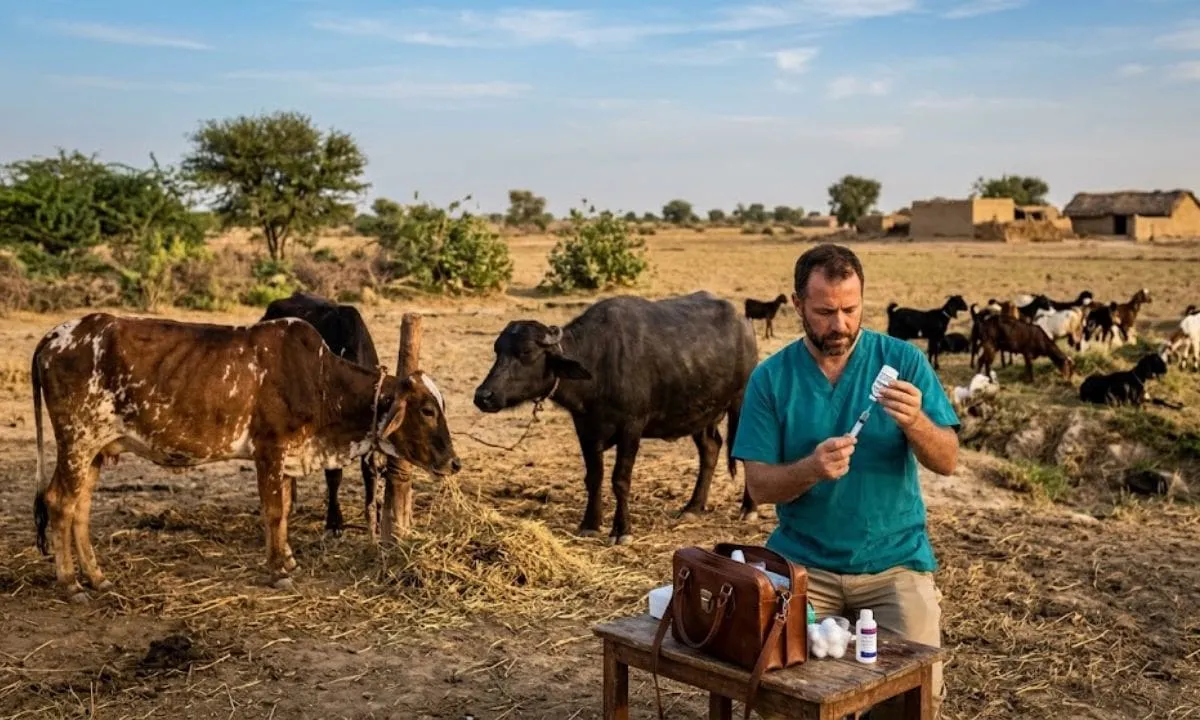
The Sindh government has introduced embryo transfer technology to improve livestock breeds and raise milk and meat production in the province. The first embryo transfer trial was successfully completed at the Sindh Institute of Animal Science, in partnership with the Sindh Livestock Department and Fone Guru.
This initiative represents a major shift toward modern scientific methods in regional agriculture and animal husbandry. By adopting advanced reproductive techniques, authorities hope to address longstanding productivity challenges within the dairy and meat sectors. The successful completion of the initial trial paves the way for wider implementation across government facilities and private farms alike.
How Embryo Transfer Technology Accelerates Breeding
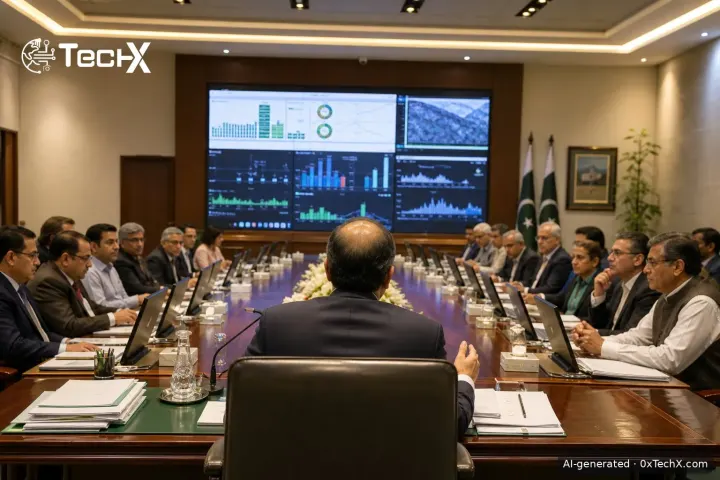
Chief Minister Sindh Murad Ali Shah congratulated the livestock sector on the achievement. Livestock Minister Muhammad Ali Malkani briefed him on the trial, after which the livestock breed improvement project was formally launched.
The Chief Minister said the technology will produce improved breeds in a shorter time. Murad Ali said a breeding process that previously took 30 years will now be completed in five. Traditional breeding methods rely on natural selection and conventional artificial insemination, which require decades to fix desirable traits like high milk yield or disease resistance. Embryo transfer bypasses these delays by implanting pre-formed embryos of superior genetic stock into surrogate mothers, multiplying the offspring of elite animals rapidly.
Orders Placed for Red Sindhi and Gojri Breeds
The Sindh government has ordered 132 embryos of the Red Sindhi and Gojri (Gozeira) breeds. Private-sector farmers have separately ordered 90 embryos, which the Chief Minister described as clear evidence of farmers' confidence in the project.
The Red Sindhi cattle are renowned for their heat tolerance and tick resistance, making them ideal for the local climate while maintaining good dairy output. The Gojri, also known as Gozeira, is another valued regional variety chosen for its specific hardiness and production traits. Acquiring these specific embryos ensures that the genetic enhancement targets animals already proven to thrive in local environmental conditions.
Economic Impact on Milk and Meat Production
Under the project, local breeds will be improved through modern scientific methods. The government said the technology will help produce high-quality livestock, increase milk and meat output, and help meet the country's growing demand for both. It also committed to modernizing the livestock sector.
Malkani said the Red Sindhi and Gozeira breeds will be further improved, and that the technology will help raise the incomes of livestock farmers. The Chief Minister said the government is promoting modern research and technology in the livestock sector and that the project will create new opportunities for farmers and livestock breeders in Sindh.
Higher yields of milk and meat directly benefit the regional economy by stabilizing food supplies and lowering consumer prices. As commercial and smallholder farmers gain access to superior genetics, their operational profitability improves, supporting rural livelihoods and expanding agricultural exports.
Future Steps for Animal Science in Sindh
The institutional framework supporting this project relies heavily on the Sindh Institute of Animal Science working in tandem with the Sindh Livestock Department. Technical partnerships with organizations like Fone Guru facilitate the transfer of specialized skills and equipment necessary for handling delicate embryos. Authorities continue to monitor the progress of the initial cohort of imported embryos as they develop in surrogate animals.
Future phases of the program will likely depend on the survival rates of the imported embryos and the performance of the resulting calves. Stakeholders will watch for expanded distribution channels that allow more private farmers to acquire high-grade embryos. Continued government backing for research and development laboratories remains essential for sustaining these scientific interventions in the agricultural sector.