Federal Minister Ahad Cheema Announces Smart Meters for DISCO Transformers
Federal Minister for Economic Affairs and Establishment Division Ahad Cheema chaired a high-level meeting focused on Power Distribution Companies, commonly known as DISCOs. The session reviewed ongoing development programmes for these power companies and discussed the Economic Affairs Division efforts to arrange funding for installing smart meters on transformers across all DISCOs. Participants at the meeting noted that positive progress had been made so far in arranging funding for the smart metering system, which is intended to help curb electricity theft and overbilling.
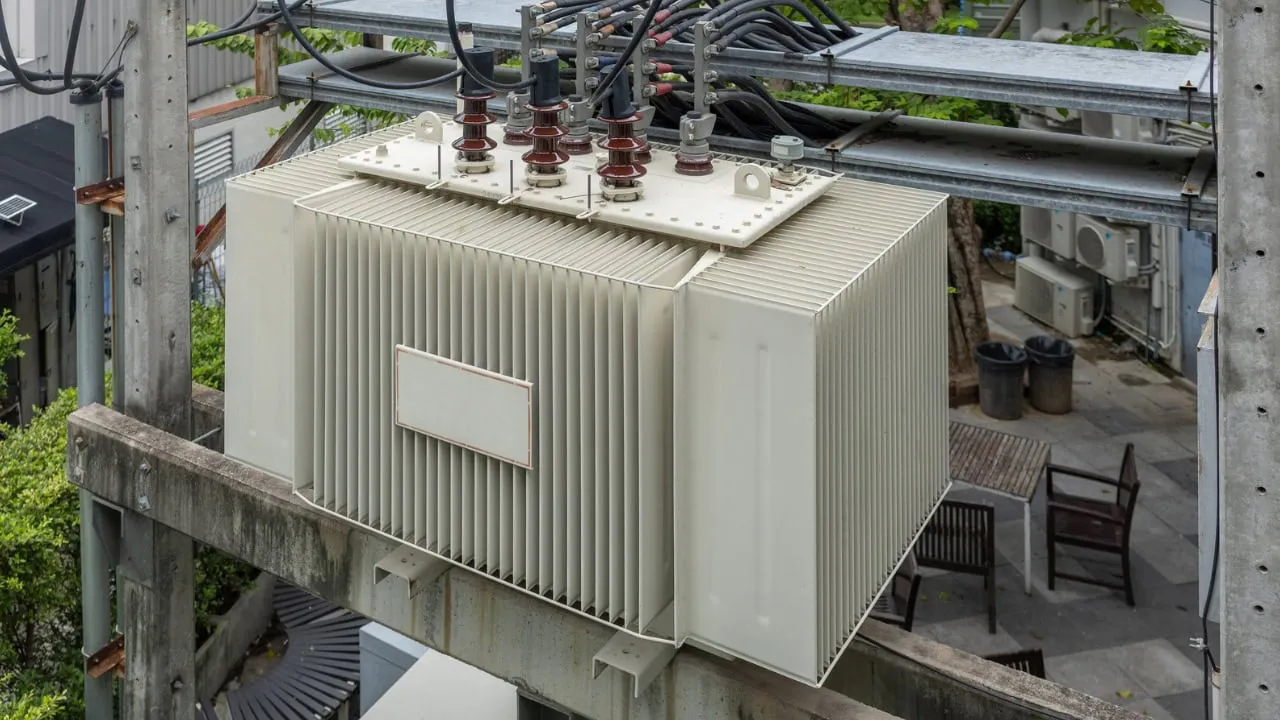
The distribution of electricity in the country relies heavily on regional companies that manage local grids, supply lines, and billing for millions of households and businesses. Over the years, these power distribution companies faced severe financial hurdles, largely driven by line losses, unauthorized hookups, and inaccurate meter readings. Introducing advanced metering infrastructure directly on distribution transformers aims to provide an accurate accounting of the power flowing into specific neighborhoods, making it much harder for unauthorized consumption to go unnoticed.
During the discussions, officials examined how the smart metering project would continue following the planned privatisation of these state-run power entities. Ahad Cheema stated that the government would put in place arrangements to ensure that private investors carry the project forward once the ownership transition is complete. Smart meters on transformers can help curb electricity theft, improve billing accuracy and protect consumers from overbilling, while safeguarding the interests of consumers, investors and the government.
How Smart Meters on Transformers Stop Electricity Theft
Electricity theft represents one of the most persistent drains on the national power sector, creating massive circular debt that affects the entire economy. When individuals bypass meters or tamper with supply lines, utility companies lose substantial revenue, which often results in higher tariffs for honest paying customers. By placing smart meters directly on distribution transformers, operators can measure the exact volume of electricity entering a local transformer and compare it against the sum of the individual consumer meters connected to that same transformer.
This technical discrepancy tracking allows utility operators to pinpoint exactly which neighborhoods or feeder lines suffer from high losses or illegal connections. Furthermore, traditional manual meter reading is prone to human error, delays, and deliberate tampering, all of which contribute to consumer complaints about inflated bills. Automated readings transmitted directly from transformer units remove these variables, ensuring that billing reflects actual consumption rather than estimated averages.
The meeting participants evaluated the technical framework required to deploy these devices across diverse regional networks. Funding negotiations with international partners remain active to secure the necessary capital for hardware procurement and installation. The rollout is structured to integrate smoothly with existing infrastructure while preparing the ground for future private sector management.
Privatisation Plans and Private Investor Responsibilities
As the government moves forward with plans to privatize power distribution companies, questions arose regarding the continuity of ongoing donor-funded development initiatives. Negotiations with multilateral partners for development programmes would continue until privatisation is completed. If a DISCO is privatised while negotiations or programme preparations are under way, the relevant financing and development programmes would be transferred to the private investor as part of the handover, subject to agreed arrangements.
This policy ensures that capital projects do not stall simply because a utility is transitioning from state control to private ownership. Private entities taking over these regional grids will inherit the financial frameworks and obligations established during the preparatory phases. This continuity protects the investments made by international partners and maintains momentum in upgrading electrical infrastructure.
Ahad Cheema further emphasised that any new project undertaken by a private investor within a DISCO must be processed through competitive bidding and receive approval from the National Electric Power Regulatory Authority, as applicable. Regulatory oversight remains a central pillar of the transition, ensuring that private operators adhere to established legal and operational standards without compromising public interest.
Protecting Consumers and Ensuring Regulatory Oversight
A central concern during the restructuring of the power sector involves the potential impact of private management on utility tariffs and service quality. He stressed that the purpose of privatisation was not to shift costs or undue pressure onto consumers. The government would facilitate the process while safeguarding consumers interests and ensuring that investors meet their financial and contractual obligations.
The National Electric Power Regulatory Authority acts as the industry watchdog, setting tariff structures and monitoring service standards across all regional utilities. Private investors acquiring stakes in distribution companies must comply with regulatory directives regarding consumer grievance redressed and service delivery timelines. By maintaining strict oversight, authorities aim to prevent monopolistic abuses and ensure that efficiency gains translate into a more reliable power supply.
Federal Minister for Power Division Sardar Awais Ahmad Khan Leghari, the Prime Minister s Adviser on Privatisation, and senior officials from the relevant ministries also attended the meeting. Their presence underscored the coordinated approach being taken across different government divisions to address the structural challenges plaguing the national power grid.
Next Steps for Power Sector Reforms and Meter Deployment
The roadmap for deploying smart meters on transformers involves continuous engagement with multilateral lenders and financial institutions. As funding arrangements solidify, procurement schedules will be established for each regional distribution company. Observers and industry stakeholders are watching closely to see how the transition timelines align with the broader privatisation schedule set by the administration.
Technical teams within the power division continue to map out transformer locations and assess the telecommunication requirements needed to support real-time data transmission from the field. Successful execution of these measures will determine the pace at which line losses decrease and financial stability returns to the power sector. Meanwhile, inter-ministerial coordination meetings will persist to monitor progress and resolve any bottlenecks that emerge during project preparation.