Google Suncatcher Satellite Goes Online and Writes Poetry
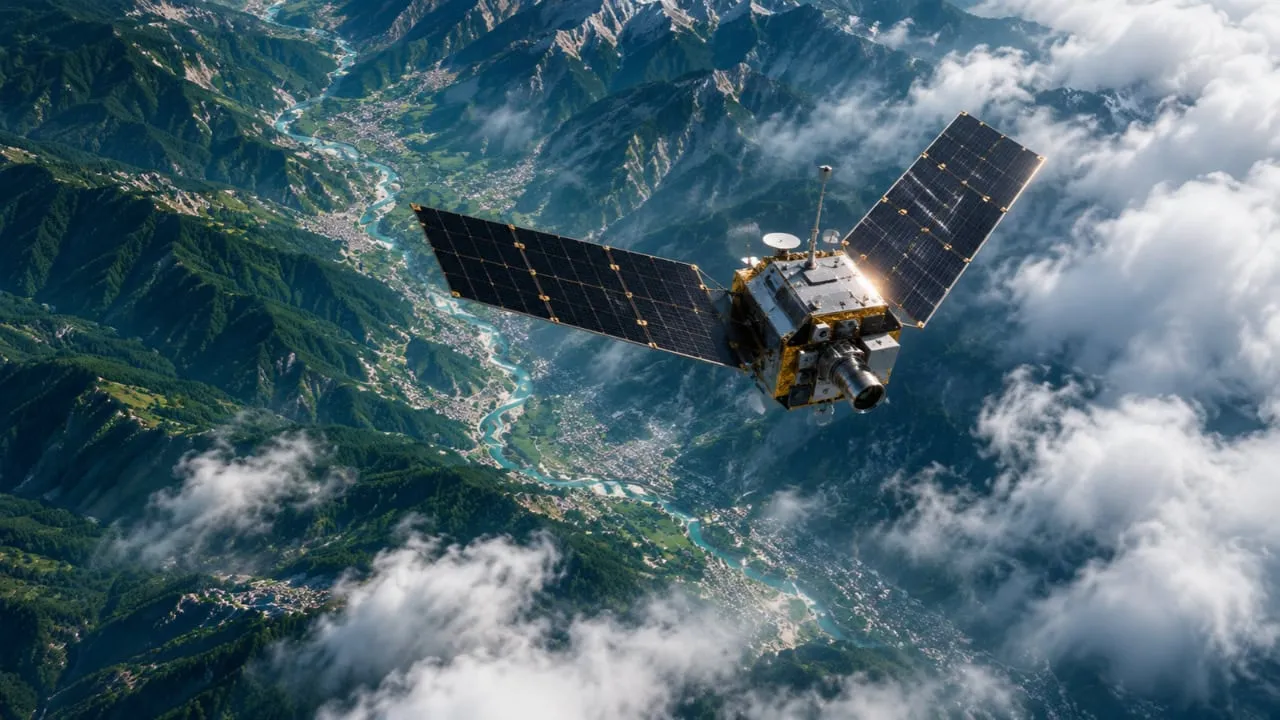
Google has put an AI chip in orbit and it is already writing poetry. The company's Suncatcher prototype satellite went online this week. It carries the first Google Tensor Processing Units ever sent to space. Its first task after commissioning was writing a haiku about Earth.
The satellite launched earlier in October on a SpaceX Falcon 9 rocket. It rode alongside more than 100 other spacecraft into orbit. Planet Labs built the satellite carrying Google's hardware. After roughly three weeks of subsystem testing, it was ready. Engineers on the ground sent their first prompt to the satellite. They asked the pre-loaded Gemma 4 model to write a haiku about space.
How the Space-Based AI Haiku Was Generated
The successful test marks a major milestone for processing data directly in orbit rather than sending all raw sensor feeds back to ground stations. Engineers on the ground formulated the prompt and transmitted it to the hardware platform floating hundreds of miles above the planet. The pre-loaded Gemma 4 model processed the instructions using the onboard Tensor Processing Unit.
The resulting haiku captured the orbital perspective effectively. The verse reads as follows:
Blue marble below Data streams in silent grace Starlight feeds my core. ✨
Following this initial literary exercise, the hardware continued by producing detailed orbital reports. A spokesperson confirmed the satellite was operating normally throughout these initial operational phases.
Technical Specifications of the Suncatcher Satellite
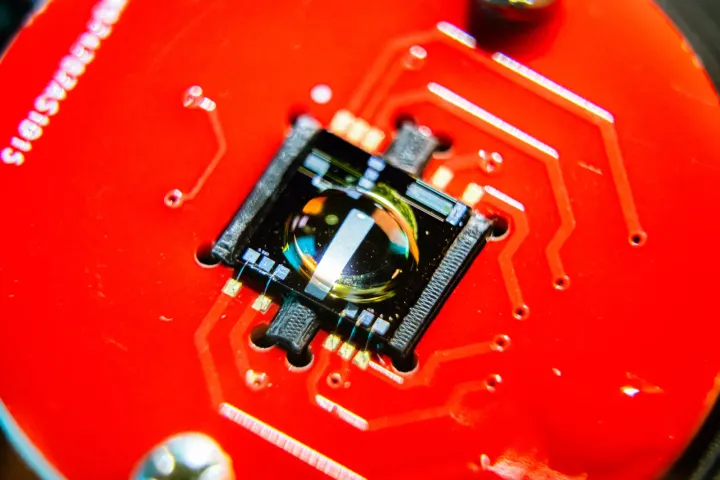
The orbital hardware setup involves unique engineering constraints given the harsh environment of space. The satellite carries four Tensor Processing Units and generates up to 1 kW of electricity. However, power constraints mean it can only run one TPU at a time.
That single chip operates for about 20 minutes per session. This limitation complicates the already tricky process of communicating with space. Even so, the model successfully generated poetry and orbital reports.
Testing Thermal Stress and Radiation Risks in Orbit
The ongoing test campaign focuses on two key challenges. First, engineers must study how the chips perform under thermal stress. Second, they need to assess how space radiation affects the processors. Radiation can cause bit flips that corrupt stored data silently.
Ground testing in particle accelerators suggested minimal impact for inference tasks. However, real orbital conditions could behave differently than simulations. Training workloads face greater radiation risk than inference tasks. These tests will verify those predictions directly.
Future Plans for Google Suncatcher Satellites
If the prototype proves capable, Google plans two more satellites in 2027. Those spacecraft will support higher power generation for longer operation. They will also demonstrate optical links between satellites in orbit. These laser connections could eventually support distributed AI workloads.
Google's Suncatcher project envisions networks of close-flying satellites. They would eventually perform large inference workloads together in orbit. The vision depends heavily on SpaceX's Starship rocket.
Background on Commercial Small Satellites and AI Hardware
The integration of advanced machine learning processors into small satellites represents a major shift in aerospace engineering. Historically, space hardware relied on radiation hardened processors that lagged years behind consumer electronics due to rigorous qualification timelines. By testing standard architectures like Tensor Processing Units, technology firms aim to bring high performance computing directly to the edge.
Planet Labs, the builder of the Suncatcher platform, operates large constellations of earth observation spacecraft. Combining their manufacturing expertise with custom machine learning silicon opens new possibilities for real time analysis of satellite imagery. Instead of downlinking massive files to terrestrial servers, future spacecraft could analyze weather patterns, maritime traffic, or agricultural health directly from space.
What Comes Next for Orbital Data Centers
As the Suncatcher mission progresses through its planned testing schedule, engineers will monitor power generation stability and thermal dissipation closely. The upcoming phases will test the limits of the 20 minute operational windows imposed by current power constraints. Success in these initial trials will lay the groundwork for the 2027 launches, which aim to introduce multi spacecraft optical links and expanded energy generation capabilities.