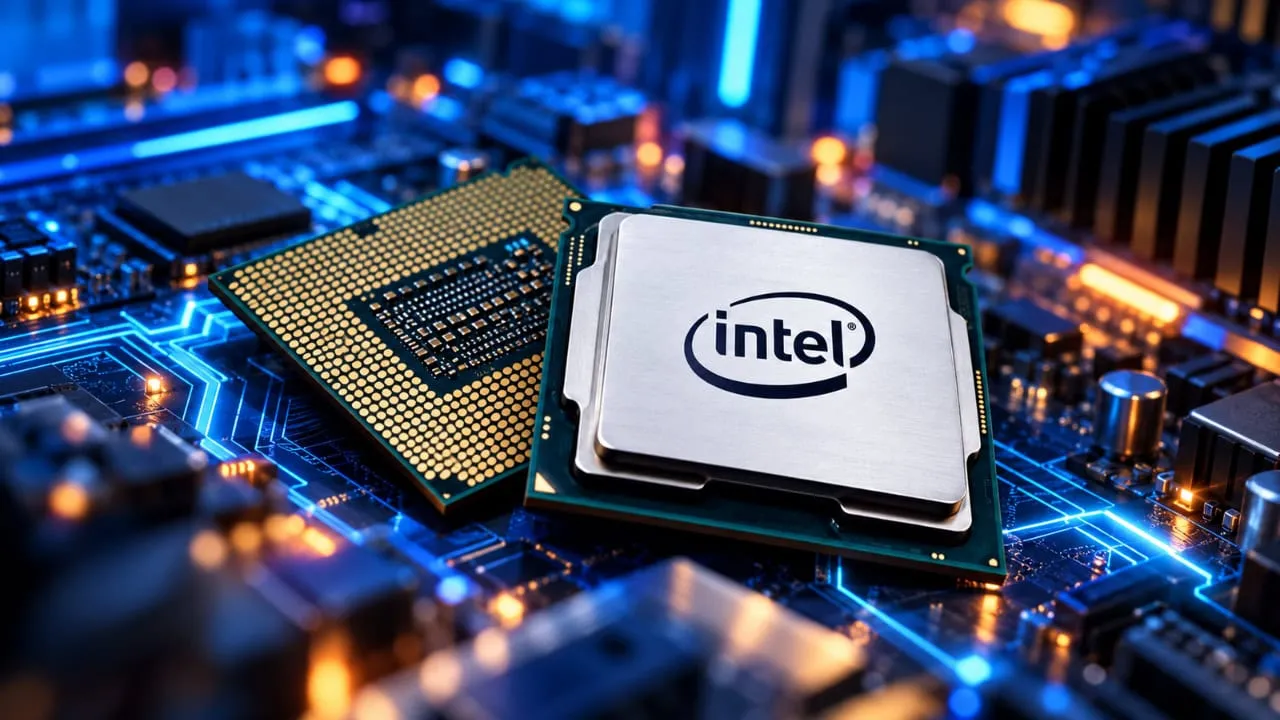
Intel revealed its Q3 2026 financial results, which triggered a sharp plunge in its stock value despite reporting a 21 percent revenue increase to $16.5 billion for the period. The data center and artificial intelligence division experienced a 78 percent surge to $7.3 billion, but these positive figures failed to appease shareholders.
Management provided a Q4 outlook that missed projections, forecasting revenue between $15 billion and $16 billion while analysts anticipated around $17 billion. Adjusted earnings reached 25 cents, missing the projected 43 cents, causing shares to fall more than 20 percent on Thursday.
The steep decline follows a period where the stock value had doubled earlier in the year, driven by optimism regarding artificial intelligence demand. The business recently offered $15 billion in shares to support a recovery strategy directed by CEO Lip-Bu Tan, though the disappointing projection creates doubts about the turnaround effort.
A worldwide memory chip shortage sits at the core of the difficulty. Increasing costs have driven down purchases of desktop computers and laptops, leading Intel to project a 12 percent contraction in the personal computer market, followed by another 10 percent drop in 2027. Supply constraints likewise affected the data center division.
Tan informed Bloomberg that the situation will worsen. He explained that memory prices climbed considerably during the year and forecasted a deeper shortage in 2027, stating that performance would have been stronger absent the shortages and a factory closure.
Personal computer manufacturers have reportedly hit their threshold regarding expenses. This indicates that buyers and producers alike will experience financial strain during this cycle.
The corporation has not established a schedule for when the difficulties will subside. The prediction regarding 2027 implies the scarcity may continue past the current quarter.