How the Apple Watch Live Rewind Feature Works
Apple Watch users can now replay what someone just said through a new capability introduced in recent software updates. The feature entered developer beta testing on November 2, marking a significant update for wearable technology. It forms part of Apple's new Audio Intelligence suite for watchOS. Four artificial intelligence-powered features are rolling out specifically for Apple Watch Series 12 wearers.
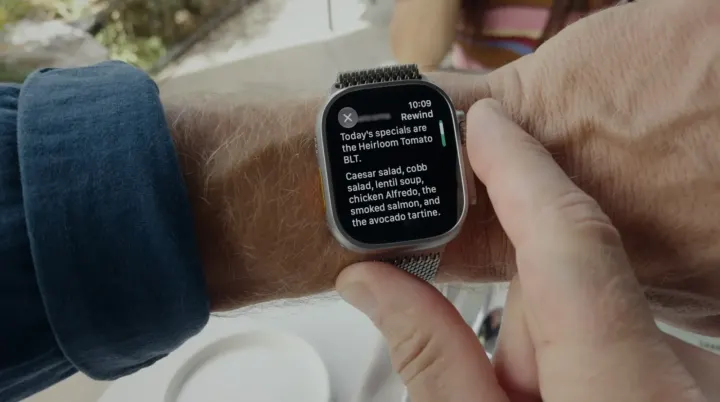
The headline function is called Live Rewind. It lets users double-press the digital crown to see the last 15 seconds of spoken audio. The watch then displays what was said as a text snippet on the screen. This works during any in-person conversation the wearer participates in, helping individuals catch details they might have missed.
The text snippet disappears permanently after 30 seconds if the user ignores it. However, users can save it to the Siri app for later review. They can also tap Ask Siri to query something mentioned during the exchange. For instance, they could ask about an unfamiliar term a waiter mentioned in a restaurant.
Understanding Siri Recaps and Ambient Listening
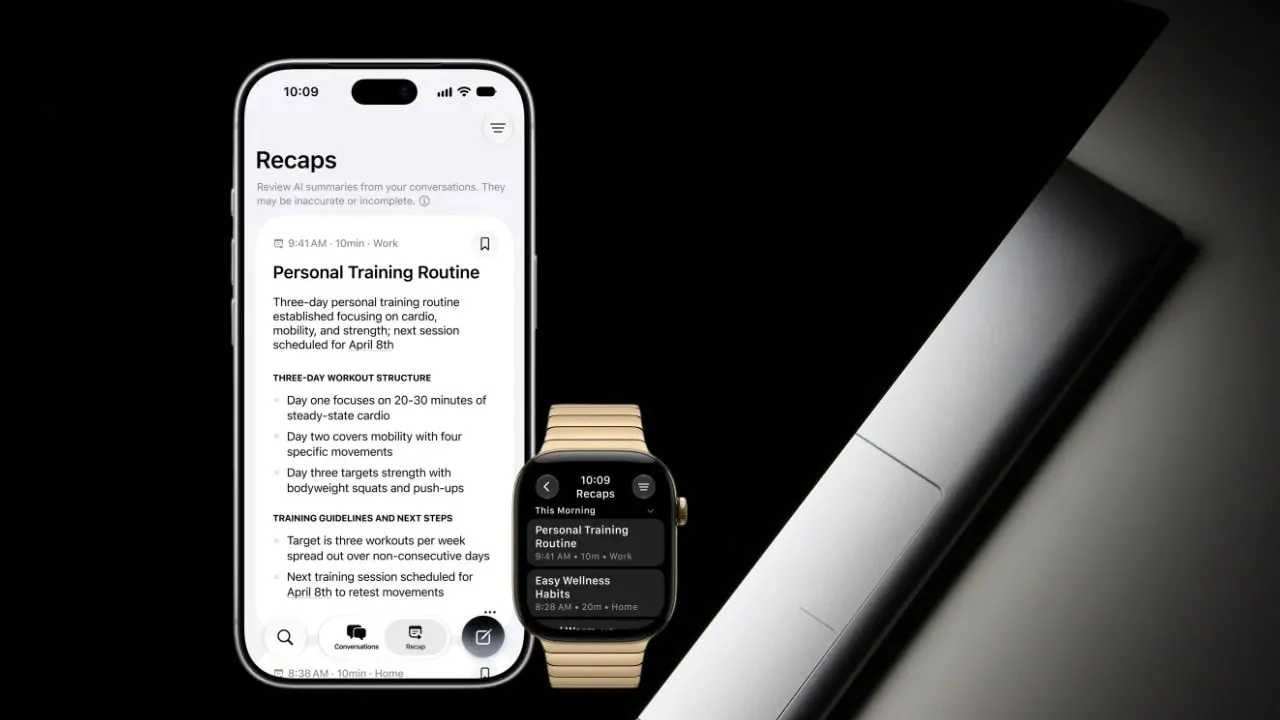
The second major feature pushes ambient listening further into daily utility. Called Siri Recaps, it takes high-level notes of conversations automatically as they happen. Importantly, Apple states that it does not identify individual speakers in any conversation. It also avoids word-for-word transcriptions entirely to protect conversational privacy.
Instead, Siri Recaps summarizes conversations into short bullet points for the wearer. These capture key facts such as dates, deadlines, and pricing information discussed. Users review saved recaps at the end of each day to stay organized. Anything not explicitly saved deletes itself within seven days automatically.
These tools process daily interactions quietly in the background of everyday life. They assist professionals, students, and anyone managing heavy schedules. The integration relies heavily on local hardware capabilities found in the latest device models.
Privacy Safeguards and Data Security Architecture
Apple built notable privacy safeguards directly into the system architecture for these tools. Raw audio never leaves the secure enclave on the watch hardware. A dedicated hardware-protected memory space processes all incoming sound instead. The paired iPhone then converts audio into condensed text locally on the device.
Only the condensed text reaches Apple's Private Cloud Compute for final summarization. That summary and all interim data delete from the cloud immediately afterward. Consequently, Apple reports that it never accesses the raw audio itself at any stage. This method keeps personal conversations private while using cloud computing power.
Additional privacy signals alert people nearby when recording functions activate. A distinct chime sounds when Live Rewind activates on the watch. An animation also displays on screen simultaneously to alert observers. Together, these signals show that something was just recorded in the immediate vicinity.
Additional Audio Intelligence Features for Series 12
The software suite also includes advanced sound recognition built specifically for deaf users. A separate feature uses Shazam technology to identify songs playing nearby in the environment. Both of these additional features require the S11 chip found in Series 12 or Ultra 4 devices.
Hardware requirements ensure that older models do not attempt heavy processing tasks. Processing speech locally demands significant computing power from the onboard microchips. This makes the newest generation of smartwatches essential for running these advanced tools.
Beta Testing Schedule and Public Release Plans
The beta software rolls out to registered developers first under iOS 27.3. A public beta phase follows this initial developer period before the wider consumer release. Developers test the system to find bugs and ensure stability before public distribution begins.
Users participating in early testing must download the software through official developer channels. General consumers will receive the update automatically once testing concludes. Apple has not yet announced a specific calendar date for the final public rollout.