Residents across the UK are preparing for the first major cold snap of the season, accompanied by severe weather warnings for snow and ice as temperatures plummet below freezing. The Met Office has issued a yellow weather warning for snow across large parts of the country, stretching from the West Midlands to southern Scotland from 12am to 12pm on Tuesday.
While the public focuses on winter preparations and emergency travel kits, medical professionals emphasize the importance of recognizing underlying health risks. Colder temperatures affect the human body in multiple ways, causing dry skin, sapping energy, increasing blood pressure, and bringing on a wave of seasonal bugs, aches, and sniffles that might actually conceal more dangerous conditions like cancer.
How Cold Weather Chills Can Hide Blood Cancers
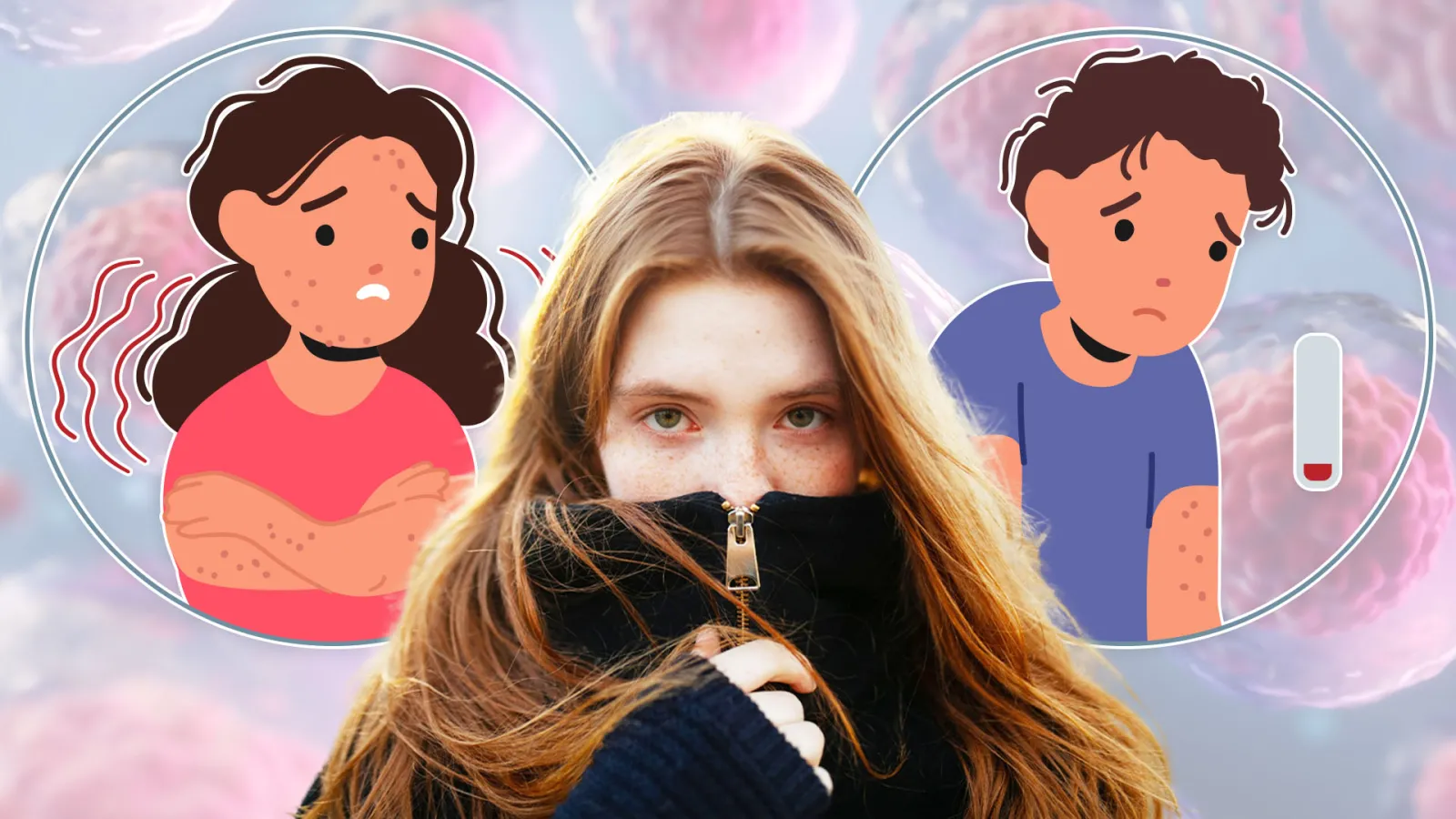
Feeling cold is a standard experience during winter, particularly when spending time outdoors, and standard chills or shivering are not specific indicators of cancer. However, certain malignancies, particularly blood cancers, compromise the immune system and make individuals far more susceptible to infections that cause chills, according to Dr Joel Newman, consultant haematologist at Nuffield Health.
"Sometimes in the winter we see 'drenching night sweats'," says Dr Newman, noting these can point to blood cancers like lymphomas, though they can also occur from over-heating under a heavy winter duvet. Chills related to infections cause uncontrollable shaking and an inability to get warm even in heated environments, often accompanied by a fever.
Lymphoma-related sweats typically happen at night rather than during the day and are uniquely drenching, soaking through pyjamas, bedsheets, and covers. Dr Newman notes that these symptoms do not occur in isolation, advising people to watch for swollen glands in the neck, armpits, or groin, skin rashes, lumps, chest pain, breathlessness, unusual bleeding, bruising, bone pain, and frequent, long-lasting infections.
Understanding the Difference Between Winter Fatigue and Cancer Fatigue
Fatigue is another common complaint during cold weather, as the body expends extra energy to maintain its core temperature, compounded by potential changes in diet. However, extreme exhaustion that fails to improve with rest can serve as an early warning sign of cancer, which consumes the body's nutrients to grow and advance.
Distinguishing between normal winter tiredness and cancer-related fatigue can prove challenging for patients. Dr Newman advises that individuals experiencing normal fatigue usually see an improvement with adequate rest and recuperation, whereas fatigue driven by underlying cancerous processes does not improve.
Why Persistent Coughs and Breathlessness Deserve Attention
Winter brings numerous viral infections, including the flu, COVID-19, bronchitis, and pneumonia, alongside non-infectious issues like asthma and allergies that cause persistent coughs. A cough linked to lung cancer typically lasts for more than three weeks, changes over time, or is accompanied by chest pain, shortness of breath, coughing up blood, frequent chest infections, unexplained tiredness, and weight loss, according to NHS guidelines.
Shortness of breath can similarly stem from winter illnesses or chronic respiratory diseases like chronic obstructive pulmonary disease or severe asthma. It also remains a primary symptom of lung cancer, resulting either from a tumor blocking airways or from fluid accumulation around the lungs.
When to Consult a GP About Winter Symptoms
Anyone concerned about persistent or unusual symptoms should consult a general practitioner to determine whether the signs warrant further medical investigation. Dr Newman stresses that individuals must not ignore red flag indicators such as unexplained weight loss, persistent coughs, or changes in bowel habits and blood loss.
The NHS provides comprehensive guidance on general cancer signs that require professional evaluation. Patients experiencing a cough for three weeks or more, unexplained changes in bowel habits lasting over three weeks, persistent bloating, or unexplained bleeding should seek medical advice promptly.
Additional warning signs requiring a doctor's review include growing or new lumps in the breast, underarms, groin, or testicles, and moles that change shape, color, or texture. Unexplained weight loss, persistent tummy or back pain, recurring indigestion or heartburn, itchy or yellow skin indicating jaundice, and ongoing feelings of fatigue and general unwellness also necessitate a thorough medical checkup.