What the New Study Says About Re-joining the EU
A research team released on Friday has quantified the fiscal impact of a hypothetical reversal of Brexit. According to the report, if the United Kingdom were to re-enter the European Union, every household would face an additional cost of £6,500. The study also projects that the UK would need to pay £39.3 billion in annual contributions to the EU budget, which is roughly double the amount paid in 2016.
The analysis further notes that the United Kingdom would lose the £4 billion annual rebate that was negotiated by former Prime Minister Margaret Thatcher. Even a partial return to the single market or customs union, described by the report as a "watered-down" approach, would still impose "thousands of pounds" in extra costs on families.
How the £6,500 Figure Was Calculated
The study breaks down the £6,500 per-household estimate into three main components:
- Direct fiscal contributions: An increase of £3,200 per household to cover the higher EU contribution ceiling.
- Loss of the rebate: A further £1,800 per household is attributed to the disappearance of the £4 billion rebate.
- Regulatory and market adjustments: About £1,500 is linked to compliance costs, tariff changes, and the need to align with EU standards across sectors such as agriculture, fisheries, and finance.
These components are based on current UK household income data and assume no major policy changes that could offset the costs. The researchers caution that the figure is a baseline estimate; actual costs could vary depending on the terms of any future accession agreement.
Why Labour Seats Still Support Leave
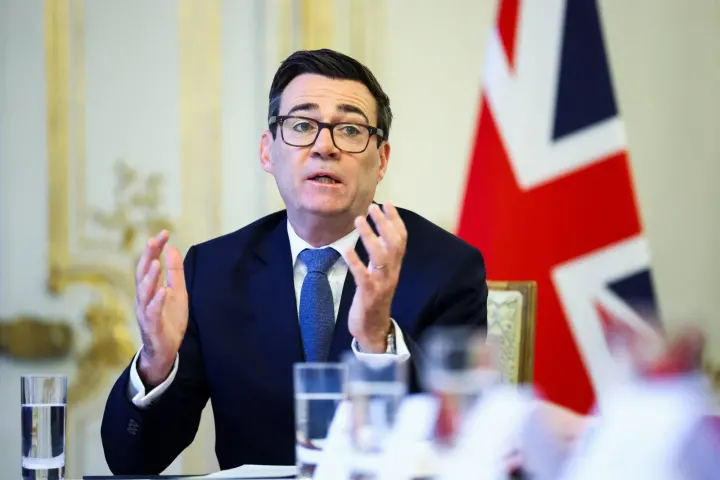
Political analysts point out that six in ten seats won by the Labour Party in the 2024 general election - including the seat held by Andy Burnham - were secured in constituencies that voted to Leave the EU in the 2016 referendum. This alignment suggests a disconnect between the party's leadership and the voting patterns of its base on the EU question.
Burnburn's own constituency, Manchester, recorded a 57 % Leave vote in 2016. The persistence of that sentiment has been reinforced by recent polling that shows a majority of voters in former Leave strongholds remain opposed to re-joining the bloc, especially if it would mean abandoning the pound or joining the Schengen passport-free travel zone.
What Re-entry Would Mean for the Pound and Schengen
One of the most contentious issues in the debate is the potential loss of the British pound as a sovereign currency. The study notes that a full EU membership would likely require the United Kingdom to adopt the euro, a step that would involve a transition period, exchange-rate adjustments, and the surrender of independent monetary policy to the European Central Bank.
In addition, joining the Schengen Area would eliminate passport controls at the UK's borders, facilitating free movement of people across the continent. While proponents argue this could boost tourism and labor mobility, opponents warn it could increase pressure on public services and raise security concerns.
Political Context and Next Steps
Prime Minister Rishi Sunak has recently met with EU officials in Brussels, a move critics describe as "cosying up" to EU leaders. The Prime Minister does not currently have a parliamentary mandate to pursue a re-entry, and his party's 2024 election platform did not include any commitment to reverse Brexit.
According to the UK Parliament's procedure, any attempt to trigger a formal re-negotiation of membership would require a majority vote in the House of Commons. At present, opposition parties and a sizeable portion of the governing Conservative backbench are unlikely to support such a motion.
Watch-lists for the coming months include:
- Any official statement from the Treasury outlining the fiscal assumptions behind the new study.
- Parliamentary debates on EU-related legislation, especially those concerning trade and customs arrangements.
- Public opinion polls that track changes in voter attitudes toward the euro and Schengen.
- Legal challenges that could arise if the government were to pursue a membership referendum without a clear legislative pathway.
Until a clear political consensus emerges, the study's findings are likely to remain a point of contention in the broader debate over the United Kingdom's post-Brexit identity.
Impact on Everyday Britons
The projected £6,500 increase per household translates to roughly £540 per month, a figure that would significantly affect disposable income for families already coping with rising energy bills, housing costs, and inflation. For a typical two-adult, two-child household earning the median UK salary, this additional burden could push net earnings below the poverty line.
Businesses would also feel the strain. Companies that rely on EU supply chains could face higher import duties, while exporters might lose the tariff-free access that has been a cornerstone of post-Brexit trade policy. The study warns that sectors such as automotive manufacturing, aerospace, and financial services could see profit margins shrink by up to 4 %.
Overall, the research underscores that a reversal of Brexit would not be a simple policy reversal but a complex, costly transition with wide-reaching implications for households, the private sector, and public finances.