Understanding the Westminster Welfare Showdown
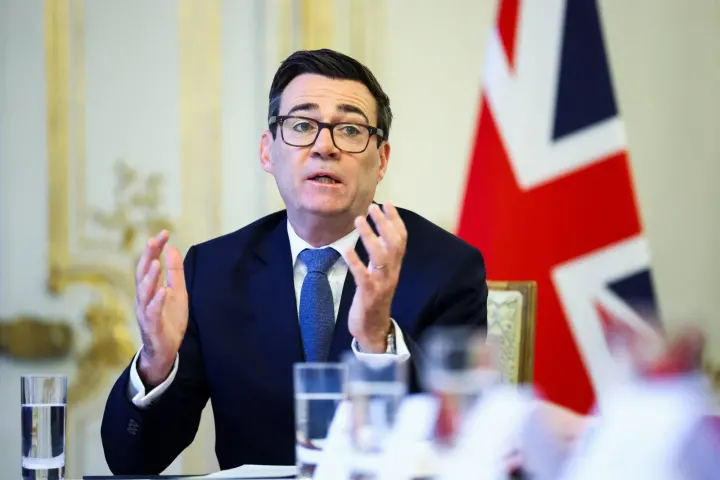
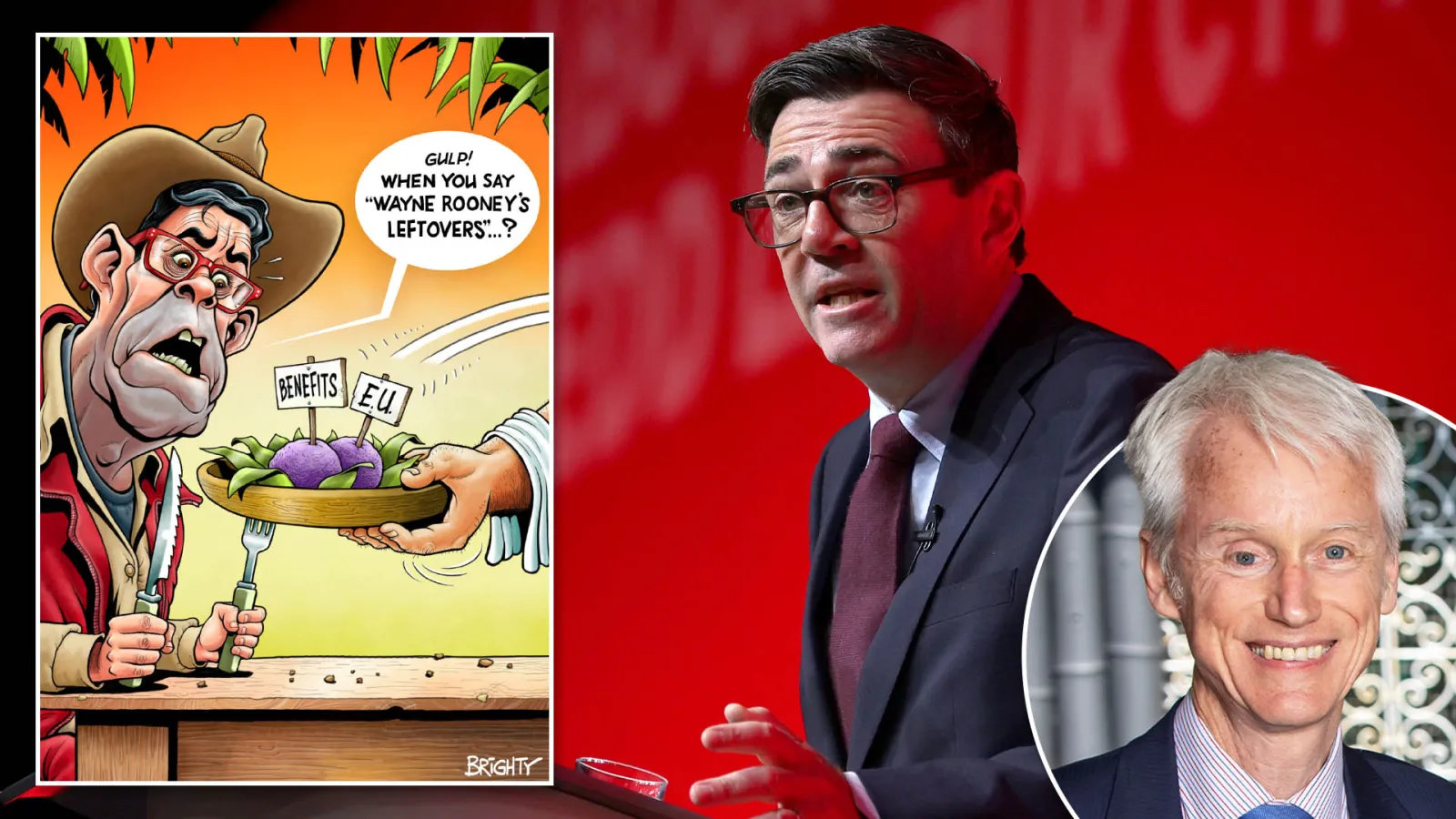
Prime Minister Andy Burnham faces a high-stakes political test in Westminster with a make or break welfare showdown and an EU summit in Brussels. Former Blairite bruiser Alan Milburn is set to unveil an explosive report on the bloated welfare system. With nearly a million under-25s neither earning nor learning, the jobs tsar demands tough action to get young people off the sofa and into work. He wants to ban NEETs, which stands for young people not in education, employment or training, from claiming sickness and disability benefits for mild anxiety and ADHD.
The core issue revolves around a staggering £430 billion question, and Milburn admits the eye-watering bill will continue to spiral for at least a decade. Timid as the reforms may sound, left-wing Labour MPs are not having any of it and are already plotting a backbench revolt. When his predecessor Sir Keir Starmer tried to chip a paltry £5 billion off welfare spending, he was forced into a humiliating climbdown by rebel MPs, including Burnham's de facto deputy Louise Haigh.
Critics point out that payments often fail to benefit taxpayers who foot the bill, while youngsters who claim them risk ending up on the jobs scrapheap. Studies show a 20-year-old on sickness handouts will most likely still be on the same payment when they reach 30. Milburn is right to ask why almost half of jobless youngsters say they are too sick or disabled to work, especially when double amputees run marathons, deaf people work as engineers and computer scientists, and people with autism run some of the biggest tech companies.
The Financial and Practical Impact of Proposed Benefit Reforms
Even if half of all young claimants are weaned off these benefit payments, it will save only £2 billion. Meanwhile, Milburn wants to splash out up to £6 billion a year on job placements and personal advisers to prepare young people for the world of work. Critics argue that the country already has a system for that purpose, which is called school. Judging by a decade of Westminster bungling, commentators suggest the extra cash would be better spent coaching wannabe leaders instead.
Further complicating the landscape, Burnham has already spiked his own guns on this issue. In a bid to cosy up to Brussels, he is set to wave through a youth mobility scheme that could see up to 150,000 young Europeans flock to the UK to work. Questions loom over where these extra jobs will come from and how British youths can compete against tens of thousands of foreign rivals when the job market is already difficult.
Business sentiment is also strained, as two-thirds of companies report they are less likely to hire staff thanks to Labour's Employment Rights Act and a crippling hike in employers' National Insurance, often described as a tax on jobs. Labour also plans to toughen rules on Saturday jobs, which have traditionally served as a gateway to work for millions of teenagers.
What Comes Next in the Labour Welfare Review
Tomorrow's review only scratches the surface of broader government spending. The rest of the system will not be tackled until later this year when Labour minister Stephen Timms delivers his verdict on Personal Independence Payments, known as PIP, which cost £28 billion a year. Conservatives have frequently dubbed Labour the welfare party amid these mounting expenses.
Unusual cases further inflame the debate, such as serial criminal Stephen Nott, who rakes in £3,750 a month in benefits and regularly donates £100 to the Labour Party. As Burnham maintains that national security cannot come at the expense of social security, observers wonder if he will withstand the pressure. Since seizing the crown from Starmer in July, he has enjoyed an easy ride, coasting on northern charm, big promises, and political goodwill while kicking difficult decisions down the road.
Now the road has run out for the Prime Minister. Bottle it or brave it, he must navigate these domestic hurdles before turning his attention to foreign policy challenges in Europe.
Facing Hard-Nosed Eurocrats at the Brussels EU Summit
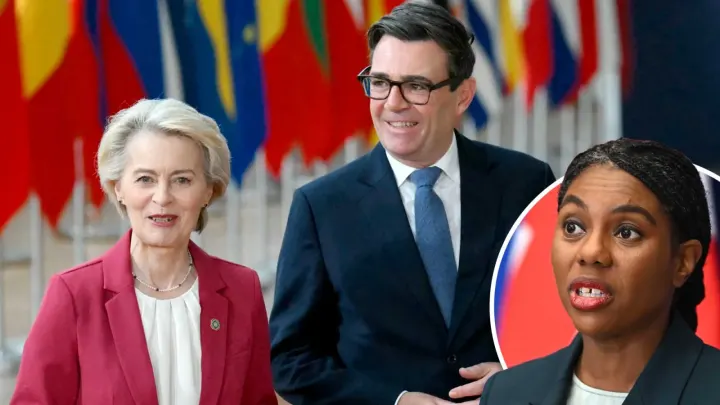
Bottle it or brave it, Burnham will still need his political stamina for Friday's EU summit in Brussels. Eurocrats will size him up to see if he is a soft touch on the international stage. Cabinet colleagues fear he has opened a can of worms by reigniting the Brexit debate, prompting stalwarts of the 2016 Leave campaign to reassemble and derail any attempt to sneak Britain back into the European Union.
Brussels negotiators are expected to turn the screw, demanding a high price for a cosier relationship. Under potential terms, Britain could be forced to surrender control of food and farming rules, accept two new EU laws every week, pay into the regional development fund, and promise not to send foreign criminals back to EU countries.
Critics argue that Burnham has underestimated the diplomatic battlefield. As an organiser of the newly launched Stay Out campaign remarked, Burnham sat out the Brexit wars while sitting around in Manchester thinking about buses. Ultimately, the public wants the Prime Minister to tackle the cost of living rather than engage in a toxic debate about Europe or risk a destructive civil war over welfare.