Suzuki Increases Prices for GS 150 and GD 110s Motorcycles
Pak Suzuki has officially raised the retail rates for two of its most prominent commuter motorcycle models, applying a uniform increase of Rs. 10,000 to both units. The company implemented this change by updating the official pricing details on its corporate website, affecting buyers across the nation. This latest adjustment impacts budget-conscious commuters and long-time riders who rely on these specific machines for daily transport. Automotive market analysts have noted that inflationary pressures and rising manufacturing costs often drive such revisions in the local assembly sector.
The revision alters the financial entry point for consumers looking to purchase brand-new units directly from authorized dealerships. With motorcycle ownership serving as an essential utility for millions of workers and families, any upward shift in cost draws immediate attention from the public. Official records confirm that the updated numbers are now active for prospective buyers navigating the local vehicle market. Understanding the exact nature of these price hikes requires a closer look at the individual models involved and their historical positioning in the country.
New Pricing Breakdown for Suzuki Models
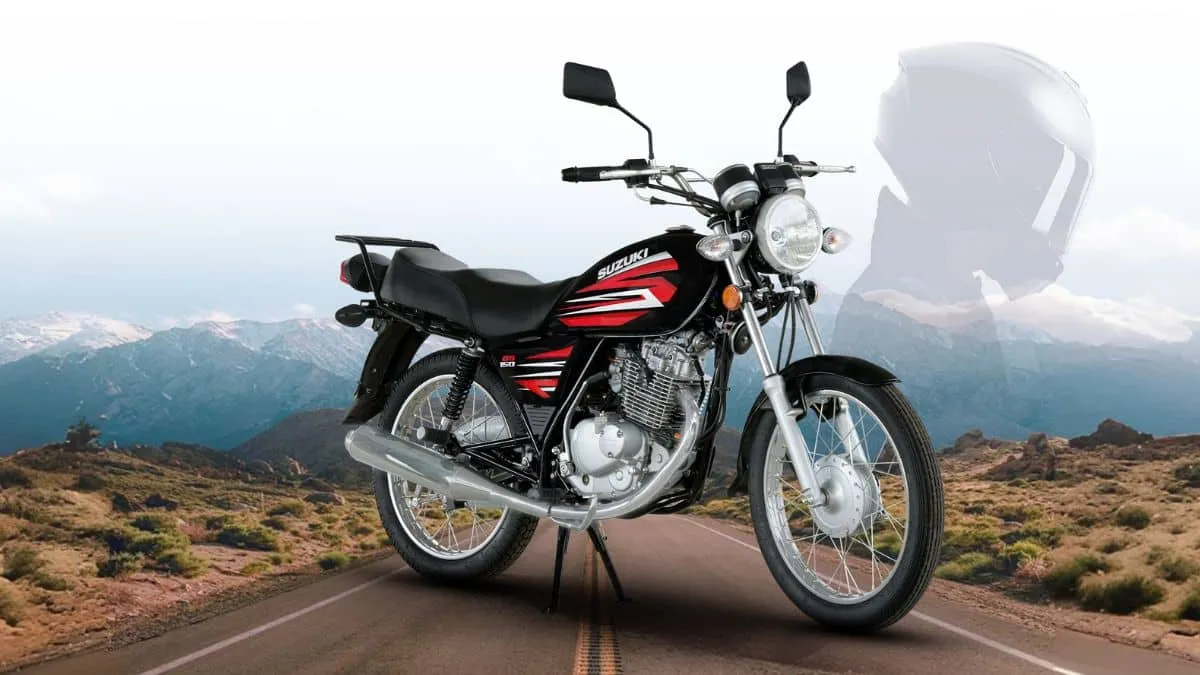
The updated tariff schedule reveals precise changes for both affected motorcycles in the manufacturer lineup. The Suzuki GS 150 now commands a retail figure of Rs. 409,900, marking a distinct step up from its previous rate of Rs. 399,900. Meanwhile, the smaller displacement Suzuki GD 110s has risen from Rs. 369,900 to a new total of Rs. 379,900. These figures translate to an increase of approximately 2.5 percent for the larger 150cc machine and roughly 2.7 percent for the 110cc commuter option.
Dealership networks across the country adopted these figures immediately upon the website update by the parent manufacturer. Consumers examining the new price list must now budget accordingly when planning purchases for personal or commercial use. The consistent Rs. 10,000 markup applies universally to current inventory booked through official channels. Buyers should verify all quotations directly with certified dealers to ensure compliance with the latest corporate directives.
Suzuki GS 150 Price Crosses Rs. 400,000
The most notable aspect of this pricing update is that the Suzuki GS 150 has now crossed the significant financial threshold of Rs. 400,000. This milestone arrives even though the motorcycle has seen very limited design and mechanical changes since its initial market introduction back in 2006. Over nearly two decades of production, the basic architecture of the machine has remained largely consistent while manufacturing overheads have climbed steadily. Long-term observers of the local automotive sector point out that currency fluctuations and imported raw material expenses play a major role in these persistent upward adjustments.
Despite the lack of modern overhauls, the machine continues to maintain a dedicated following among local riders. Its enduring market presence stems from specific mechanical attributes that appeal to everyday commuters navigating congested urban streets and uneven suburban roads. Dealerships report steady inquiries despite the climbing price tag, reflecting the deep entrenchment of the brand name in the national transport ecosystem.
Features and Legacy of the Suzuki GS 150
The enduring appeal of the Suzuki GS 150 rests heavily on a few well-established characteristics that buyers have trusted for many years. Its comfortable ride quality, dependable overhead-camshaft engine, and strong resale value remain key selling points for everyday operators. These core qualities have consistently helped the machine retain its position among Pakistan's popular 150cc motorcycles, competing against a wide array of local and imported alternatives. Fleet owners and independent delivery riders often favor the platform for its mechanical reliability and straightforward maintenance requirements.
However, consumer expectations have evolved rapidly alongside modern technological advancements in the personal transport sector. At the new price point of Rs. 409,900, the GS 150 still lacks several modern conveniences found on competing models in the same category. For instance, the motorcycle continues to ship without a fuel gauge, a gear position indicator, lightweight alloy wheels, and a contemporary return-shift gear system. Industry critics frequently debate whether the absence of these features will eventually impact sales as rival brands introduce more feature-rich alternatives to the market.
Market Impact and Consumer Considerations
The decision by Suzuki to adjust its pricing structure reverberates across a sensitive economic landscape where buyers weigh every rupee. Commuters who rely on motorcycles for employment, education, and daily errands must now allocate larger sums for basic personal mobility. Inflationary trends within the manufacturing sector have made vehicle ownership increasingly costly for middle-income households across the country. Second-hand market values often react to these primary manufacturer adjustments, pushing used vehicle prices upward as well.
Prospective buyers evaluating their options must decide whether the established reliability and resale strength of these Japanese-badged machines justify the higher initial outlay. Financial planning for vehicle acquisition now requires careful calculation of registration fees, insurance, and routine maintenance costs in addition to the base showroom price. As the market absorbs these new figures, consumer behavior will likely reflect a careful balancing act between immediate affordability and long-term durability on the road.