Gen Z and Millennial Women Face Urgent Measles Warning
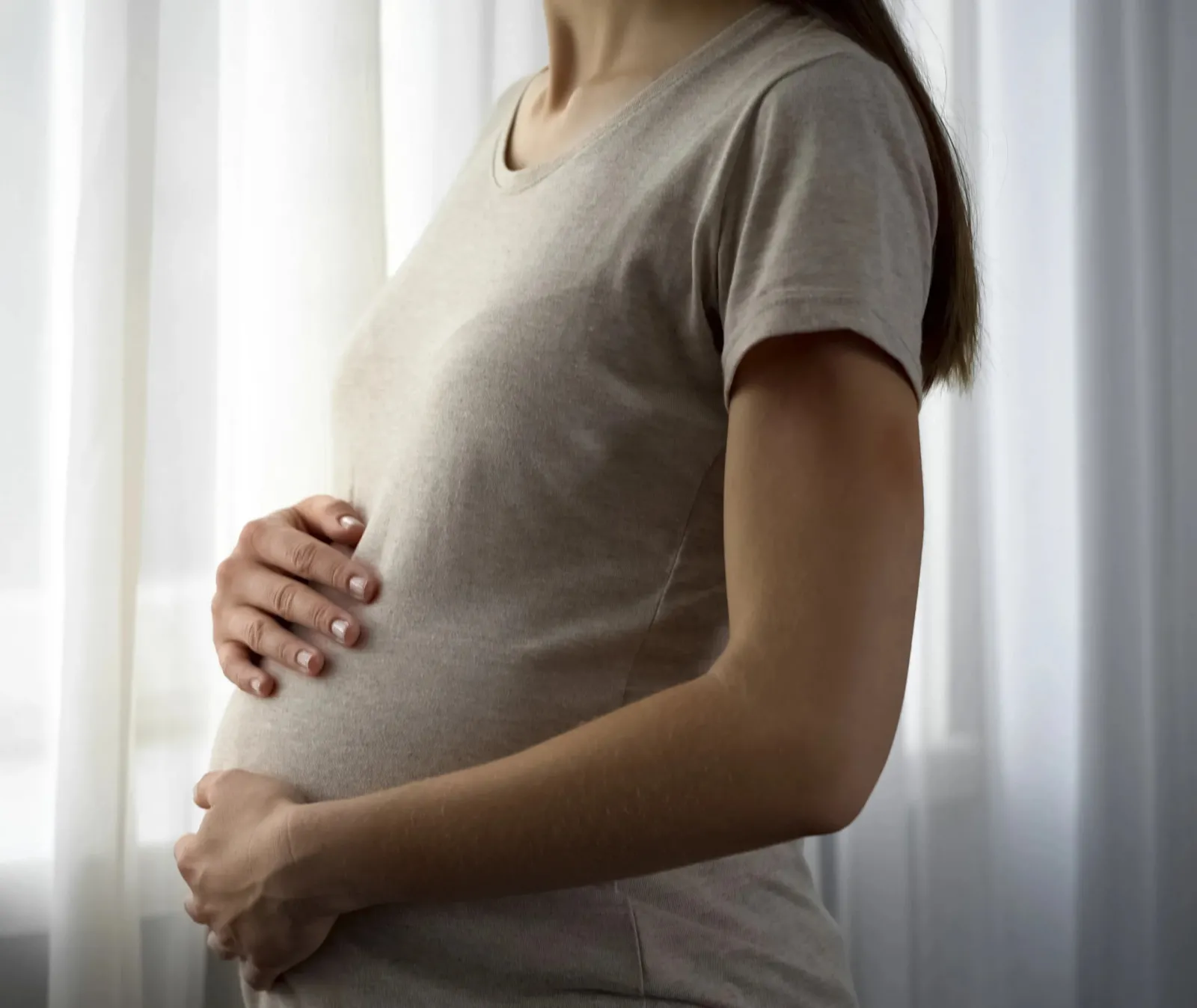
Young women across the United Kingdom have been urged to make sure they are vaccinated against measles amid a sharp surge in infections around the world. Measles is one of the world's most contagious diseases and is particularly dangerous during pregnancy, leaving many women of childbearing age potentially unprotected. Mothers should be protected against measles through getting the MMR jab, but thousands are not because they were unvaccinated as children.
Experts have warned that many women in their early twenties to early thirties, spanning Generation Z and Millennials, are at risk because their parents did not vaccinate them amid fears over the MMR jab. Uptake of the MMR jab collapsed in the late 90s and early 2000s in the wake of a 1998 study by the now discredited medic Andrew Wakefield, which falsely linked the jabs to autism. MMR uptake in England was about 91 per cent prior to Wakefield's study being published, but plummeted to 80 per cent in the aftermath.
Understanding the Legacy of the Wakefield Study and MMR Uptake
The controversy generated by Andrew Wakefield caused long-lasting damage to public health campaigns across the United Kingdom. Public health authorities spent decades trying to restore confidence in the safety and efficacy of childhood immunisations. Despite countless independent scientific reviews disproving any link between the vaccine and autism, the hesitancy instilled in parents during that era left a distinct cohort of children unprotected as they entered adulthood.
Public health guidance dictates that at least 95 per cent of the population needs to be vaccinated to prevent outbreaks and maintain herd immunity. In a new study published assessing the recent outbreak, officials at the UK Health Security Agency stated that in 2023 and 2024, MMR vaccine coverage reached its lowest levels within a decade. Only 88.9 per cent of children received their first MMR dose by 24 months, and 91.9 per cent by five years.
The Severe Risks of Measles During Pregnancy
Medical professionals emphasise that contracting the virus while expecting a child carries grave health consequences. Kirsty Le Doare, a professor of vaccinology and immunology at City St George's University of London, told The Telegraph that given the recurrence of measles outbreaks and the number of cases occurring in adults, there may be value in better understanding the impact of measles infection during pregnancy in the UK. Professor Helen Bedford, a professor of children's health at Great Ormond Street Hospital, also noted that catching measles during pregnancy makes hospitalisation very likely.
Patients are much more likely to develop pneumonia, and there are higher rates of encephalitis. These are complications that can happen in adults with measles, but they do seem to occur at much higher rates during pregnancy. Beyond maternal health, the disease poses severe dangers to an unborn child by targeting the placenta. This means oxygen and vital nutrients can be prevented from reaching a foetus, resulting in a very weak and underdeveloped child. The infection can also trigger early contractions or cause the amniotic sac to break too early, forcing an early birth before the baby's lungs and organs are fully mature. In severe cases, the virus attack on the placenta can cause a pregnancy to fail, resulting in miscarriage, with research suggesting an infected woman has a 5.9 times greater risk of miscarriage.
Current Infection Statistics in England and Global Outbreaks
Official data highlights the rapid escalation of the virus across the country. In August, measles cases in England surpassed the total number recorded for the previous year. Figures published by the UK Health Security Agency show there have now been 1,055 laboratory confirmed measles cases in England this year, as of November 9, including three deaths. By comparison, there were a total of 960 lab-confirmed cases of the highly contagious virus in the entirety of the prior year.
Geographically, the transmission has been concentrated heavily in urban centers. More than half of all cases this year have been recorded in London, with Enfield logging the highest number at 111. Birmingham and Hertfordshire followed closely with 82 and 64 cases, respectively. Internationally, the situation is similarly alarming. The United States is currently facing its most severe resurgence of the disease in decades, experiencing its largest measles outbreak since 1991 with more than 5,400 cases reported nationwide according to data from the Johns Hopkins International Vaccine Access Center tracker. Earlier this month, a 21-year-old mother died in Pennsylvania shortly after giving birth from measles complications.
Transition to the MMRV Vaccine and Public Health Response
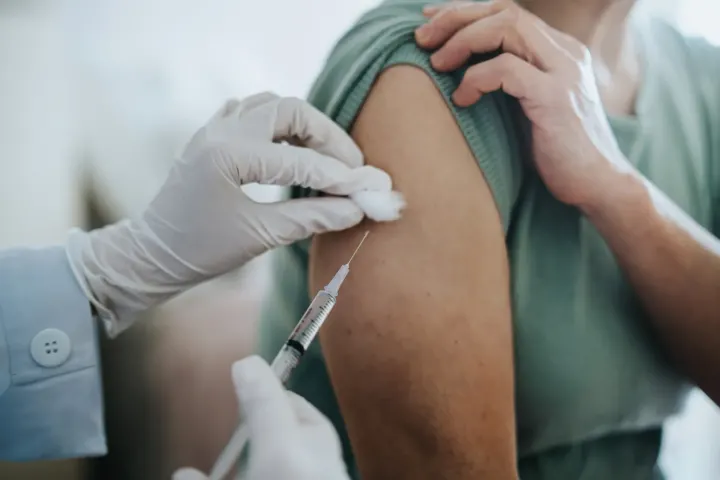
In response to ongoing transmission risks, health authorities updated immunization protocols. The MMRV jab replaced the standalone MMR vaccine in January in the UK, adding protection against varicella, commonly known as chickenpox, alongside measles, mumps, and rubella. Two doses of the vaccine offer up to 99 per cent protection against these illnesses, which can lead to hearing loss and serious problems during pregnancy. Without vaccination, just one measles infection can spread the virus to 9 out of 10 unvaccinated people nearby.
- The MMRV vaccine is offered to all young children in the UK, protecting against measles, mumps, rubella and chickenpox.
- One dose is given to children at 12 months, and another at 18 months, with older children born on or after 1 January 2020 also offered doses.
- The MMR vaccine is recommended for anyone born on or before 31 December 2019 who missed having this vaccine when younger.
- Since the introduction of the measles vaccine in 1968, 20 million measles cases and 4,500 deaths have been prevented in the UK.
- Measles usually starts with cold-like symptoms, followed by a rash a few days later.
- Children should stay off nursery or school for at least four days from when the rash first appears.
- People usually feel better within seven to 10 days, but complications make the virus deadly on rare occasions.
- For more information on vaccination, visit https://www.nhs.uk/vaccinations/mmrv-vaccine/
The UK was stripped of its measles-free status earlier this year by the World Health Organization after recording 2,911 lab-confirmed cases of the infection, marking the worst outbreak Britain has seen in decades. Countries are only labelled measles-free by global health officials if cases are rare, imported from abroad and quickly brought under control. Officials emphasize the urgent need to restore and sustain target coverage levels through timely surveillance and targeted catch-up vaccination campaigns in hot spots.