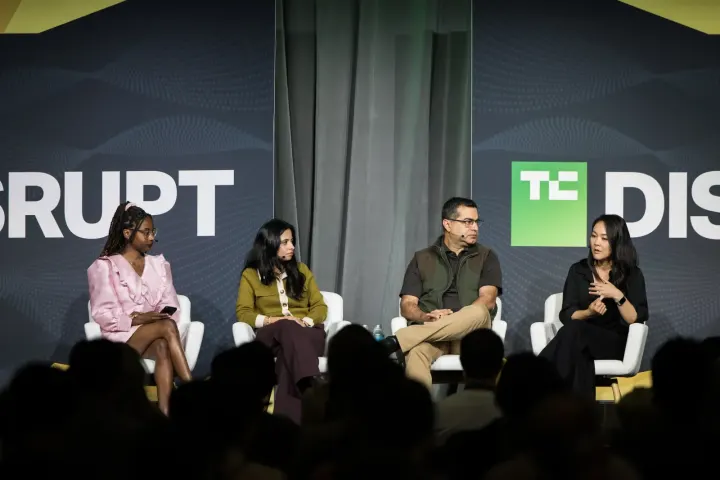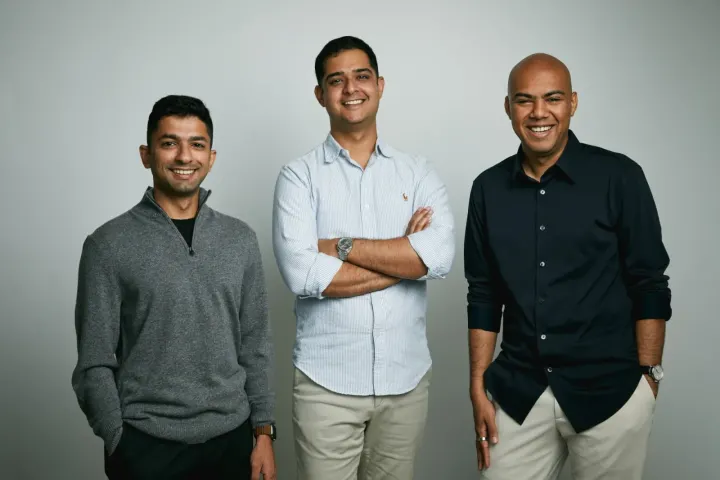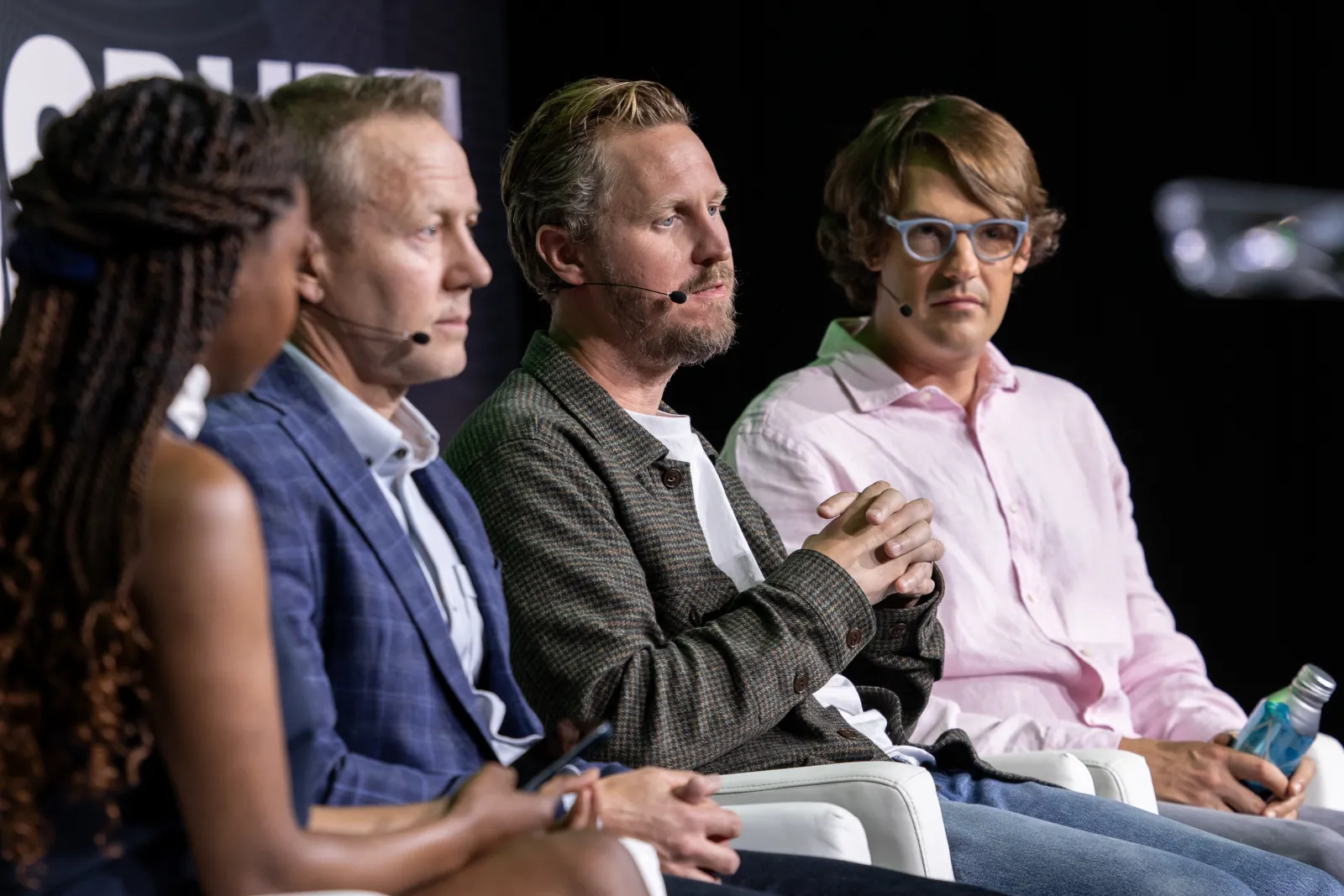
At TechCrunch Disrupt, Lovable go-to-market lead Luke Arno, Polsia founder Ben Broca, and Theory Ventures partner Tomasz Tunguz advised founders on how to position their startups for success during the first 90 days after launch.
Broca, who runs Polsia, an AI platform that creates and operates businesses with virtually no staff and for which he is the sole employee, said product-market fit is now especially hard to achieve because many products are easily duplicated. Arno responded that durable go-to-market plans must be consistently repeatable.
"The most critical thing for founders or earlier-stage companies to do is develop learning density or pattern recognition for where your customers are," Arno said. "Don't rush to build out a top-down go-to-market motion if you're not there yet."
He added that founders should not mistake fast early revenue for readiness to scale during the first 90 days after a commercial product becomes sellable.
After a startup discovers workable use cases, it should only expand a sales team and pursue growth once it can attract new customers by replicating proven methods. If each sale requires a new approach, true product-market fit has not been reached.
"If I bring on 10 new customers in 10 different ways to solve 10 different problems, sure, I brought revenue in, but I don't have a way to go scale a go-to-market," Arno explained. "If I bring three customers in with a similar motion to solve a similar problem, now I have high confidence that I can go scale."
Lovable, the AI app-building startup, set many early benchmarks with its rapid growth; its investors now value it at more than $13 billion, its ARR has exceeded $600 million, and it has raised over $700 million to date.
"The expectations for overall execution speed are absolutely tremendous," Tunguz said.
He noted that Lovable's growth remains an outlier, yet founders should still move quickly. The pressure is real, he said, because the amount of capital flowing through the ecosystem at every stage far exceeds what was available when he began investing in 2008. Today, a seed deal sourced by his partner could be a $5 million, $50 million, or even a $500 million raise.
All of the winners share a focus on truly understanding their customers to ensure loyalty after hype fades.
"Community building is very important and being close to customers is very important," Broca said. He suggested founders send emails, host events, and personally talk to many customers, adding, "The general rule is always to be talking to customers."