How Net Zero Policies and Grid Instability Threaten UK Power Supplies
Citizens across the country have been stocking up on emergency supplies following the launch of a government preparedness campaign instructing households to gather essentials like non-perishable food, bottled water, and hand sanitiser. In the first ten days of the advisory, retail data showed hand sanitiser sales surged 83 per cent, bottled water increased 67 per cent, and tinned goods rose 37 per cent.
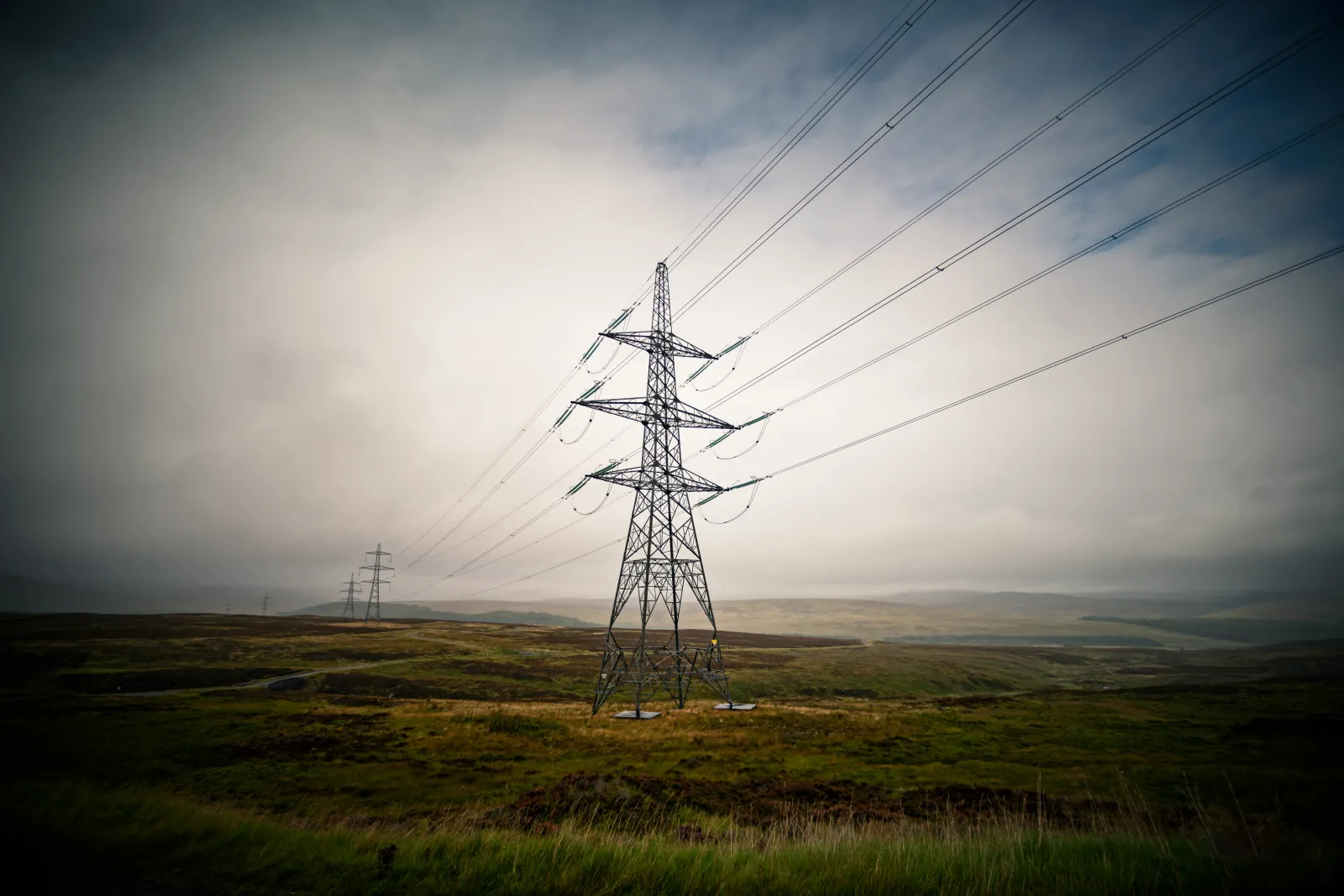
While officials attribute these precautions to severe weather, cyber attacks, and state-sponsored terrorism, critics argue that the true vulnerability stems from a rush toward Net Zero energy policies. This push has left the national power grid dangerously reliant on intermittent renewable sources rather than dependable baseload generation.
Understanding the Government Be Ready Campaign and Household Supplies
The official guidance issued on October 22 instructs families to prepare for worst-case scenarios by maintaining a three-day stockpile of essential items. The recommended checklist is designed to help citizens sustain themselves if critical infrastructure fails during an emergency.
- Bottled water for three days. Allow three litres per person per day for drinking. More would be needed for other tasks such as cooking and washing.
- Non-perishable food for three days. Buy food with a long shelf life that doesn't need refrigeration or cooking, such as tinned meat, fish or vegetables, dried fruit and nuts.
- Hand sanitiser, wet wipes and bathroom products.
- First aid kit, including items such as waterproof plasters, bandages, a thermometer, antiseptic, eyewash solution, sterile dressings and gloves, medical tape for dressings and tweezers.
- Blankets, sleeping bags and warm clothing.
- Torch (and some spare batteries).
- FM radio (battery/wind up).
- Charged power bank.
- Copies of IDs/documents.
- Cash (mix of coins and notes) and cards.
- Important phone numbers and information.
- Essential medication and medical supplies.
- Baby formula.
- Nappies and wipes.
- Pet food and bottled water.
Behind the scenes, major institutions are also preparing for severe disruptions. The BBC has developed contingency plans involving an emergency broadcast hub where staff would be locked inside with survival rations and thousands of litres of diesel to keep transmitters functioning during a blackout.
Electricity Margin Notices and the Intermittency Crisis
The underlying driver of these preparations is an unprecedented string of warnings from the National Energy System Operator. The operator has issued seven Electricity Margin Notices in 2026 alone, including a urgent warning on November 9.
These notices function as a dashboard warning light, indicating that the nation's safety buffer of power has declined sharply. The grid relies heavily on wind and solar installations, which generate unpredictable supply fluctuations that complicate long-term planning. When generation depends entirely on weather patterns, forecasting errors quickly deplete safety reserves.
On a Sunday in recent months, wind power output fell to a 12-month low, averaging just 599 megawatts. This figure represents less than two per cent of the 36,000 megawatts typically required across the United Kingdom at any given moment.
Decline of Baseload Infrastructure and the Push for Renewables
Decades of energy policy decisions have systematically dismantled dependable generation facilities. Since the year 2000, authorities have overseen the closure of more than 40 large coal, gas, and oil power stations that previously delivered 43.3 gigawatts of reliable energy.
In their place, planners have constructed 18 replacement plants providing 17.3 gigawatts, supplementing them with wind turbines and solar panels. Although official statistics list 21.5 gigawatts of installed solar capacity and roughly 33 gigawatts of wind power, the actual dependable capacity available on a calm winter night is significantly lower.
Long-term secure supplies of coal, gas, and nuclear power have been largely abandoned. This shift exposes bill payers to international price shocks, undersea cable failures, and the risk that European neighbors might withhold imported electricity during their own shortages.
Economic Impact on Households and High-Tech Industries
The green transition has driven substantial increases in network costs and levies since 2017, pushing household energy bills to high levels. Beyond individual consumers, exorbitant energy costs and a fragile grid threaten vital investments in artificial intelligence and data centers.
Observers note that these conditions risk driving away the industries required for future economic growth and productivity. Critics question the logic of inflicting severe economic harm when the nation produces a small fraction of global carbon emissions.
To secure the energy supply, industry analysts argue that the government must halt punishing green policies, restart investment in secure baseload power such as gas and nuclear, and abandon the sole reliance on imported electricity and unpredictable weather.