How US Midterm Results Affect British Families and Prices
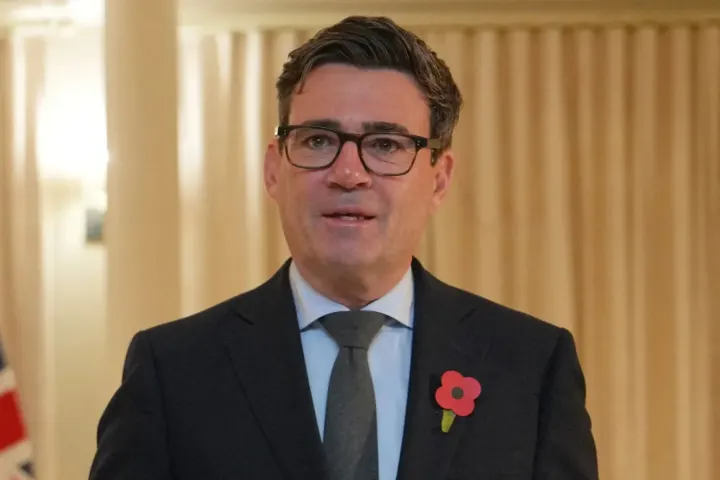
Following a major political defeat in the United States midterm elections, where a wave of Democratic victories reshaped Congress, Prime Minister Andy Burnham must now brace for the economic ripple effects hitting British shores. Decisions made in Washington carry direct consequences for everyday life in communities across the United Kingdom. This connection has been acutely felt by British families clobbered by higher prices unleashed by the President's war with Iran.
The ongoing military conflict pushed up the cost of food and energy as supply lines remain throttled in the Strait of Hormuz. Prime Minister Andy Burnham attempted to cushion the blow with modest offers of support, including a one-off £100 payment at the recent Budget, but these measures were quickly wiped out by soaring inflation and utility bills. For a leader who placed the cost of living at the heart of his political agenda, Burnham hoped that a weakened White House might bring this costly conflict to a close.
The Economic Impact of the Strait of Hormuz Crisis
Global energy markets react instantly to geopolitical instability, and the confrontation with Iran has proved to be a primary driver of inflation. The Strait of Hormuz serves as a vital shipping lane for international oil supplies, and disruptions there directly translate to painful price hikes at British petrol stations and home heating bills. A veteran strategist once described petrol stations as 15-foot opinion polls, meaning that when the price at the pump rises, voters naturally tend to punish the incumbent government.
British households continue to feel the squeeze on disposable incomes as basic goods become more expensive. Prime Minister Andy Burnham staked his premiership on giving British families breathing space from economic hardship. However, the administration remains vulnerable to external shocks originating thousands of miles away, proving that the Prime Minister is largely a hostage to international headwinds.
Will Donald Trump Change Course After Losing Congress?
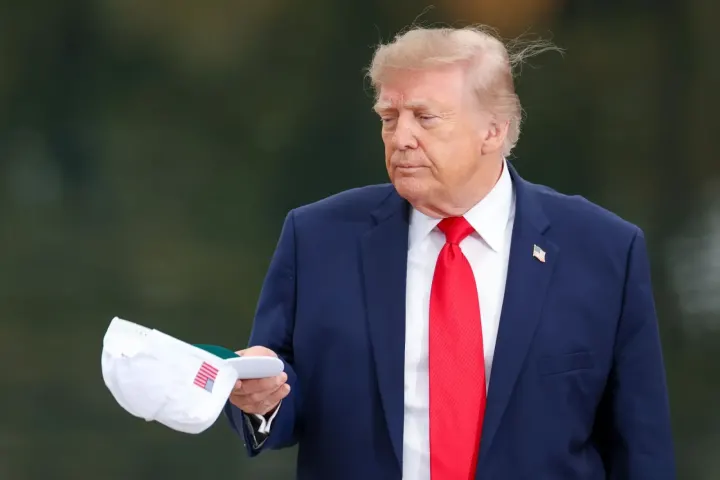
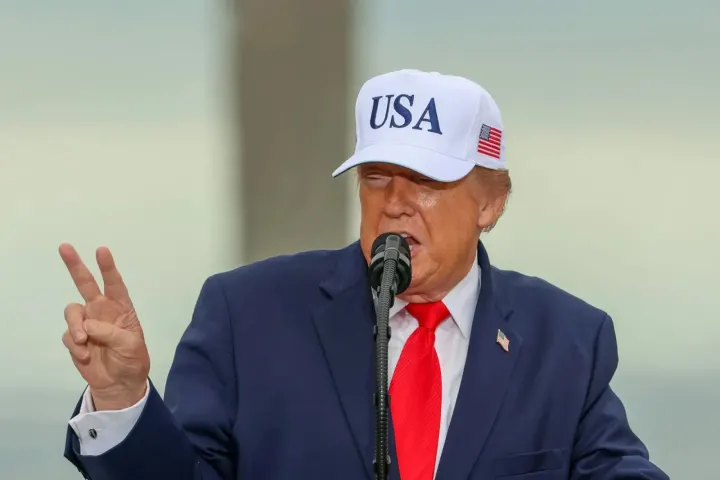
While surrendering control of Congress to the Democrats will heavily constrain his domestic legislative agenda, the US President still wields significant power over foreign policy. Following the overnight hammering his Republican candidates suffered in the House and the Senate, the President conceded that his Iran war contributed to the electoral defeat. Despite acknowledging the political cost at the ballot box, he also doubled down on his conviction that military action against Iran was the correct course of action.
If opposition lawmakers in Washington block his domestic policies for the remainder of his term, the President could use his final two years in office to cement his legacy abroad. This prospect alarms British strategists who worry about an escalation rather than a de-escalation of hostilities. Observers are left questioning whether a bruised leader will turn down the temperature or lash out more aggressively on the international stage.
Andy Burnham Faces a Diplomatic Dilemma With Washington
Prime Minister Andy Burnham now faces a delicate choice regarding how to handle relations with the White House. During their single meeting in New York this year, the Prime Minister largely followed the approach of his predecessor Sir Keir Starmer by showing diplomatic deference to the President despite clear political differences. Now that the American leader is politically diminished, Burnham might adopt a more muscular critique of foreign policy.
Shifting the blame for high prices from Westminster to Washington offers a tempting political strategy for Downing Street. Such a move would require no encouragement from many Labour MPs who openly loathe the President and have long opposed diplomatic dancing with his administration. Balancing international alliances while answering to domestic voters demanding relief remains a central challenge for the government.
What the Future Holds for UK Economic Policy and Foreign Relations
As the fallout from the US midterms settles, British policymakers are watching closely to see if international supply chains will recover or face further disruption. The intersection of American foreign policy and domestic British economics demonstrates how global events dictate local fortunes. Whether these overseas headwinds begin to ease or gather into a much greater storm will heavily influence political stability in the United Kingdom.
Prime Minister Andy Burnham must navigate these turbulent waters while maintaining support among voters who judge his administration by their bank balances. The upcoming months will test the diplomatic agility of the government as it responds to shifting political realities across the Atlantic.