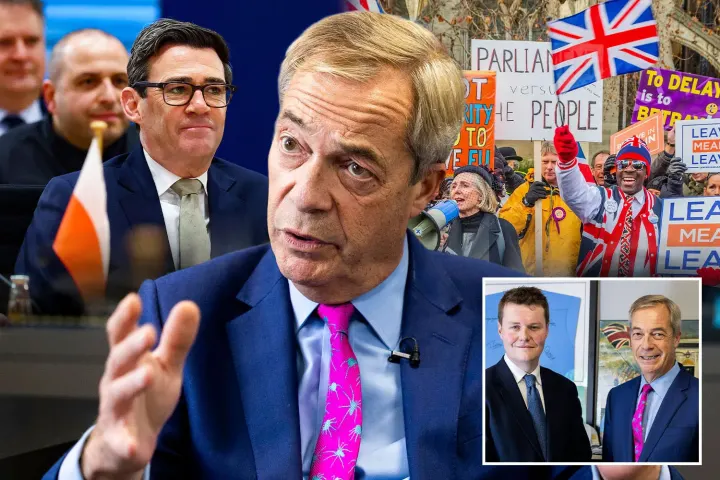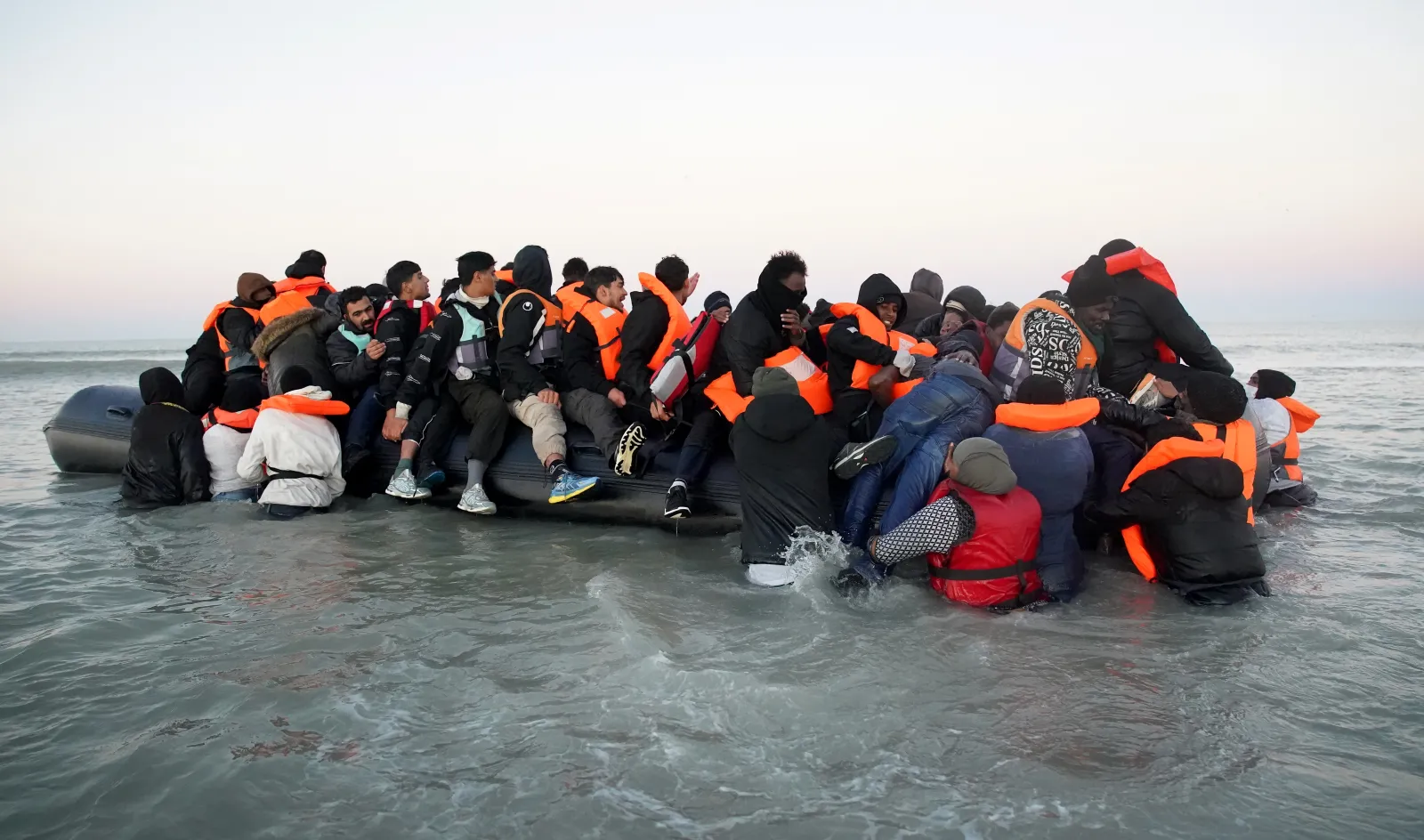
Britain could be forced to cough up yet more cash to stop small boats under Andy Burnham's new EU deal.
What the leaked EU draft reveals about a new financial ask
The leak shows a draft joint statement being prepared for the Prime Minister's Brexit reset summit on 20 November. The document calls for a British financial contribution towards the EU's Channel Action Plan, a multi-nation effort aimed at dismantling people-smuggling gangs and strengthening border patrols.
Specifically, the draft says: "Given the shared nature of these challenges, effective implementation requires a joint effort, including, where appropriate, through a financial contribution by the UK." The wording mirrors earlier EU statements that stress shared responsibility for migration control.
Why the EU wants the UK to chip in
The Channel Action Plan was launched by the European Commission in June. It brings together France, Belgium, Germany and the Netherlands to coordinate surveillance, intelligence sharing and joint operations against smuggling networks that use the English Channel.
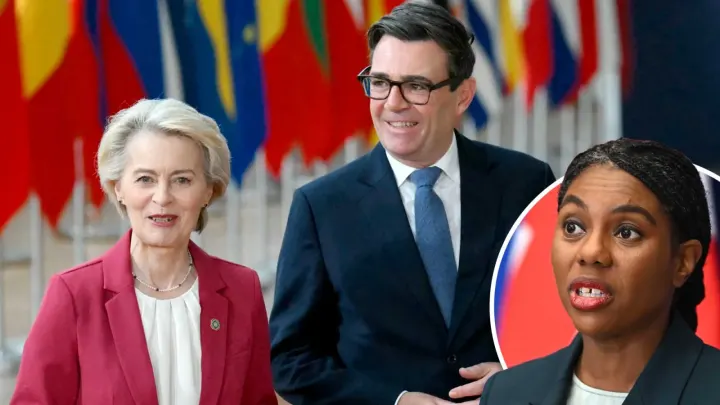
European Commission President Ursula von der Leyen told EU leaders last month that the UK's contribution would be "important". Migration Commissioner Magnus Brunner also visited London to discuss progress on the plan and broader security cooperation. Both officials framed the request as a matter of fairness: the UK benefits from reduced illegal arrivals, so it should share the cost of joint actions.
How much Britain has already pledged
Britain is already paying £662 million to France under a separate bilateral agreement to help stop illegal crossings. Shadow Home Secretary Chris Philp highlighted that figure, noting that "the government is already paying £660 million to France for very little in return - over 23,000 illegal immigrants have crossed the channel already this year."
Philp warned that an additional EU contribution would be "shameful" and called it "another sell out". He argued that British taxpayers would be handing over "hard earned money to the EU for nothing in return".
Political context: Burnham's EU outreach and the upcoming summit
Andy Burnham, the UK's foreign secretary, is preparing to strike a new agreement with Brussels covering food trade, energy and youth mobility. The same negotiations will include discussions on the long-term relationship between Britain and the EU, a relationship the Prime Minister has said he would like to deepen in his lifetime.
The Brexit reset summit on 20 November is expected to be the venue where the final wording of the joint statement will be agreed. At present, the British Government has not committed to any additional payment beyond the existing £662 million pledge.
Government response to the leak
A government spokesperson declined to comment on the leaked document, stating: "We do not comment on leaks or provide a running commentary on live negotiations." The spokesperson added that the UK is "building an ambitious, close relationship with the EU that will strengthen our economy, protect British industry, and create more opportunities for young people across the UK."
Impact on taxpayers and border security
If the EU's request is accepted, the additional contribution would come from the UK Treasury and ultimately from taxpayers. The exact amount has not been disclosed, but the precedent of the £662 million payment suggests any new figure could be substantial.
From a security standpoint, a funded Channel Action Plan could mean more patrol vessels, enhanced radar coverage and increased joint operations with French and Dutch authorities. Proponents argue that these measures would reduce the number of small boats attempting the crossing, thereby lowering the risk of loss of life and illegal entry.
What to watch for after the summit
Key indicators of how the situation will evolve include:
- The final text of the joint statement released after the 20 November summit.
- Any formal announcement from the UK Treasury confirming a new payment schedule.
- Statements from EU officials, particularly von der Leyen and Brunner, on the implementation timeline of the Channel Action Plan.
- Reactions from opposition parties, especially the Shadow Home Secretary, which could influence parliamentary debate.
Until a definitive agreement is signed, the demand remains part of the EU's negotiating position. Observers will monitor both the diplomatic language of the final statement and any fiscal measures presented in the UK's budget documents.
Practical takeaways for readers
For British citizens, the immediate practical impact is limited until a formal decision is made. However, the debate highlights two key points:
- Any new contribution will likely be disclosed in the national budget, giving the public a clear view of the cost.
- Enhanced border operations could affect communities near the Channel, including increased military or coastguard presence.
Stakeholders such as NGOs working with migrants, local councils in Kent and Sussex, and businesses involved in cross-Channel trade should prepare for possible policy adjustments related to security and customs procedures.
Historical background of the Channel migration issue
Since 2018, the English Channel has become a major route for people seeking to reach the UK illegally. Smuggling gangs have organized nightly boat trips, often using small, overloaded vessels that pose severe safety risks. In 2022, the UK and France signed a bilateral agreement that included the £662 million payment to fund French patrols and surveillance equipment.
The EU's Channel Action Plan expands that cooperation to a broader group of member states, aiming to address the problem at its source by targeting smuggling networks across Europe, not just at the UK border.
Potential legal and diplomatic implications
Should the UK agree to a new payment, it would set a precedent for future financial contributions to EU security initiatives post-Brexit. Legal scholars note that any such agreement would need to be ratified by Parliament, providing an additional layer of scrutiny.
Diplomatically, a willingness to fund the plan could improve relations with Brussels, potentially easing negotiations on other contentious issues such as fisheries, financial services and data sharing.
Conversely, refusal could strain the emerging partnership and give the EU leverage in other bargaining arenas.
Conclusion
The leaked EU draft signals a possible new financial ask from Brussels, adding to the £662 million already pledged to France. While the UK government has not yet confirmed any additional payment, the upcoming 20 November summit will likely determine the final terms. The outcome will affect taxpayers, border security operations, and the broader trajectory of UK-EU relations.