UK Weather Warning: First Cold Health Alert Issued as Temperatures Plunge
Brits face the first cold health alert coming into force in a matter of hours as temperatures plummet to -6.2C overnight across parts of the country. Upcoming low temperatures could cause an increased risk to health for individuals aged 65 years or over, prompting official warnings from health authorities.
The UK Health Security Agency has issued its first yellow cold health alert of the year starting from 9am tomorrow, November 12, covering the North West and West Midlands regions. Met Office maps reveal that temperatures could drop to -2C in Macclesfield in the early hours of Friday morning, with -1C also forecast in Manchester and Stoke-on-Trent.
When Does the Cold Health Alert Start and End?
Cold health alerts across both affected regions will last until 12pm on Saturday, November 14. All other areas of England are currently unaffected by any cold health alerts at this stage.
The incoming health warning comes as temperatures dropped to -6.2C in the Scottish village of Tyndrum last night, making it the coldest night of autumn so far. During a cold health alert, the UK Health Security Agency urges people to stay safe, warning that low temperatures could increase the use of health care services by vulnerable people.
Who Is Most Vulnerable to Cold Weather?
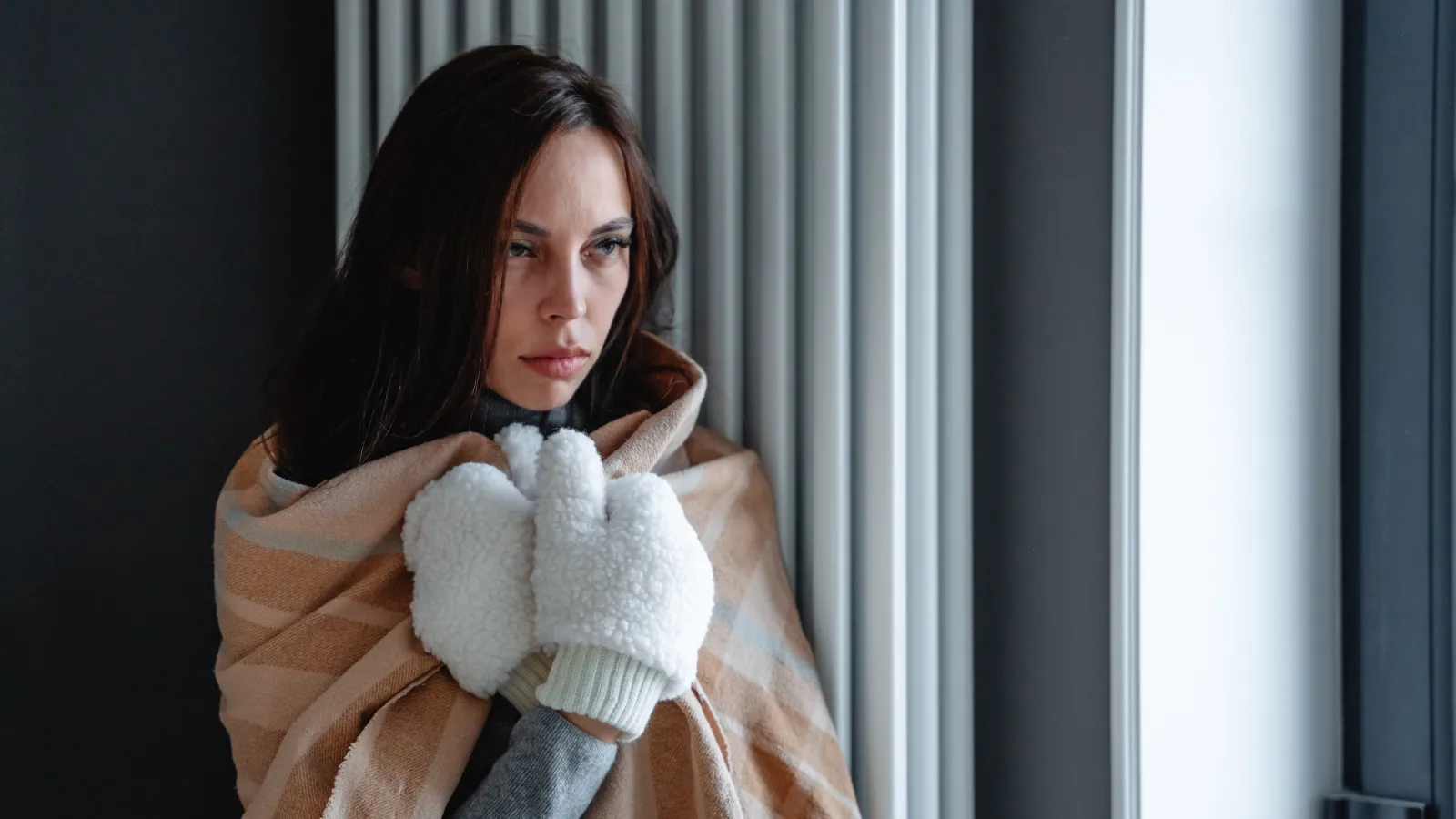
The NHS warns that anyone can become unwell due to the cold weather, but the likelihood is increased if you have certain health problems. This includes people aged 65 and over, those with underlying health conditions such as heart and lung problems, children under the age of five, pregnant women, and those who are housebound.
People who have homes that are hard to keep warm over the winter or those unable to afford fuel and heating costs are also at risk. To help protect against any cold-related illnesses, the UK Health Security Agency advises people should heat the rooms they spend a lot of time in to at least 18C and install draught excluders around doors.
What is a Cold Health Alert?
Cold Health Alerts help with planning and preparedness over the winter months. They are issued by the UK Health Security Agency and are aimed at health and social care professionals, along with anyone with a role in reducing health impacts caused by extended periods of hot or cold weather.
The Cold Health Alerts focus on the season between 1st November to 31st March every year. The Cold Health Alert Service will consider two aspects, which are adverse cold weather and health-sector resilience.
The Met Office starts by assessing the risk of persistent low average temperatures and any significant snow or ice in the forecast before deciding to invoke a full further assessment with the UK Health Security Agency on the decision and colour of alert to send, where the agency will also factor in various data from the health sector.
The different colours of cold health alerts are:
- Green - no alert will be issued as the conditions are likely to have minimal impact on health.
- Yellow - yellow alerts may be issued during periods of low temperatures which would be unlikely to impact most people, but those who are particularly vulnerable, such as the elderly with multiple health conditions and on multiple medications, are likely to struggle to cope.
- Amber - an amber alert would represent a situation in which the expected impacts are likely to be felt across the whole health service, with potential for the whole population to be at risk and where other sectors apart from health may also start to observe impacts, indicating that a coordinated response is required.
- Red - a red alert would indicate significant risk to life for even the healthy population.
Public Health Guidance and Official Advice
Dr Anya Gopfert, consultant in Public Health at the UK Health Security Agency, said this is the first cold health alert of the winter, but people can expect more as the season progresses. She noted that cold weather can have a serious impact on the health of some people, including those aged 65 and over and those with pre-existing health conditions, so it is vital to check in on friends, family, and neighbours who are most vulnerable.
Officials are reminding people to take simple steps to stay warm and look after their health as temperatures begin to fall. Keeping homes heated where possible and dressing warmly can help people stay safe and well during colder weather.