Vivo X500 Ultra Smartphone Development Status
While rival brand Oppo may have canceled its Find X10 Ultra flagship phone, Vivo is moving forward with the development of the Vivo X500 Ultra. Industry observers and technology analysts have closely monitored the high-end mobile market as manufacturers adjust their hardware roadmaps. Although some major players are scaling back their most expensive devices, Vivo appears confident in the commercial viability of its upcoming top-tier mobile hardware. The device is currently undergoing routine refinements and remains on track for release next year.
According to industry tipster Digital Chat Station, the development process for the upcoming mobile device is proceeding without unexpected delays. This update provides reassurance to consumers and industry analysts who monitor high-end mobile releases. The competitive landscape for premium smartphones demands continuous updates, and keeping development on schedule allows manufacturers to secure market share in the early months of the calendar year.
Vivo Vice President and Product Vice President Huang Tao previously confirmed a similar timeline regarding the hardware release. Tao stated that the smartphone is following its normal development cycle and should launch in March or April. This official confirmation from a corporate executive aligns with reports from supply chain sources and independent tipsters. The projected window places the device launch firmly in the first half of the year, a traditional period for major tech announcements.
Expected Launch Timeline and Market Position
The anticipated release window for the device is set for March or April 2027, though Vivo has not yet announced an exact release date. Consumers interested in purchasing the hardware will need to wait for official corporate announcements to confirm pricing and regional availability. The company initially launched the X500 series in China without an Ultra variant, leaving the X500 Pro Max as the most advanced model for now. The Pro Max features MediaTek's Dimensity 9600 Pro chipset, an 8,000mAh battery, and 90W charging, establishing a high benchmark for the series.
Market analysts note that introducing an Ultra variant later in the product lifecycle helps maintain consumer interest and media attention. By staggering releases, manufacturers can target different segments of the consumer base throughout the year. The initial lineup serves standard and power users, while the forthcoming top-tier model appeals directly to photography enthusiasts and technology purists. This strategy has become common practice among major smartphone producers operating in highly competitive international and domestic markets.
The decision to proceed with the high-end model contrasts with shifts seen at competing brands. While market conditions and production costs frequently influence product cancellations, corporate leadership at Vivo has chosen to maintain its course. Stakeholders and retail partners will watch closely as the projected spring release approaches to see how the final product performs against competing devices from other major manufacturers.
Processor and Performance Expectations
According to recent leaks, Vivo is testing Qualcomm's Snapdragon 8 Elite Extreme Gen 6 chipset for the X500 Ultra. This move would potentially replace the MediaTek processor used in the Pro Max model. Shifting to a Qualcomm processor for the highest-tier device is a strategy often employed by manufacturers seeking to offer maximum computing power and graphical performance for demanding applications.
The choice of processor directly influences power efficiency, thermal management, and artificial intelligence processing capabilities in modern mobile devices. High-end chipsets enable faster image processing, smoother multitasking, and improved gaming performance. As mobile software demands more processing power, the inclusion of an advanced processor ensures the hardware remains relevant for years after purchase.
While Vivo has not officially confirmed the leaked chipset, industry insiders monitor component supply chains to track hardware choices. Semiconductor availability and manufacturing yields can influence final production decisions before assembly begins. Consumers should note that hardware specifications remain subject to change until the manufacturer provides official confirmation closer to the launch date.
Display Technology and Design Features
The upcoming smartphone could feature a 6.85-inch BOE display with 2K+ resolution, a 144Hz refresh rate, and LTPO technology. These specifications point toward a high-end visual experience characterized by sharp text, vibrant colors, and smooth motion during scrolling and gaming. LTPO technology allows the screen to dynamically adjust its refresh rate to conserve battery life during static tasks.
Reports suggest the display will feature a flat design, uniform bezels on all four sides, and large rounded corners. Flat screens have gained renewed popularity among users who prefer fewer accidental touches along the edges compared to curved panels. Uniform bezels contribute to a balanced aesthetic, maximizing the screen-to-body ratio while maintaining structural durability.
A 3D ultrasonic fingerprint sensor is also expected to be integrated into the display assembly. This biometric security method offers fast and reliable authentication, even when fingers are wet or slightly dirty. As biometric technology evolves, ultrasonic sensors provide advantages over optical alternatives by using sound waves to map the unique ridges of a fingerprint in three dimensions.
Advanced Camera System for Professional Creators
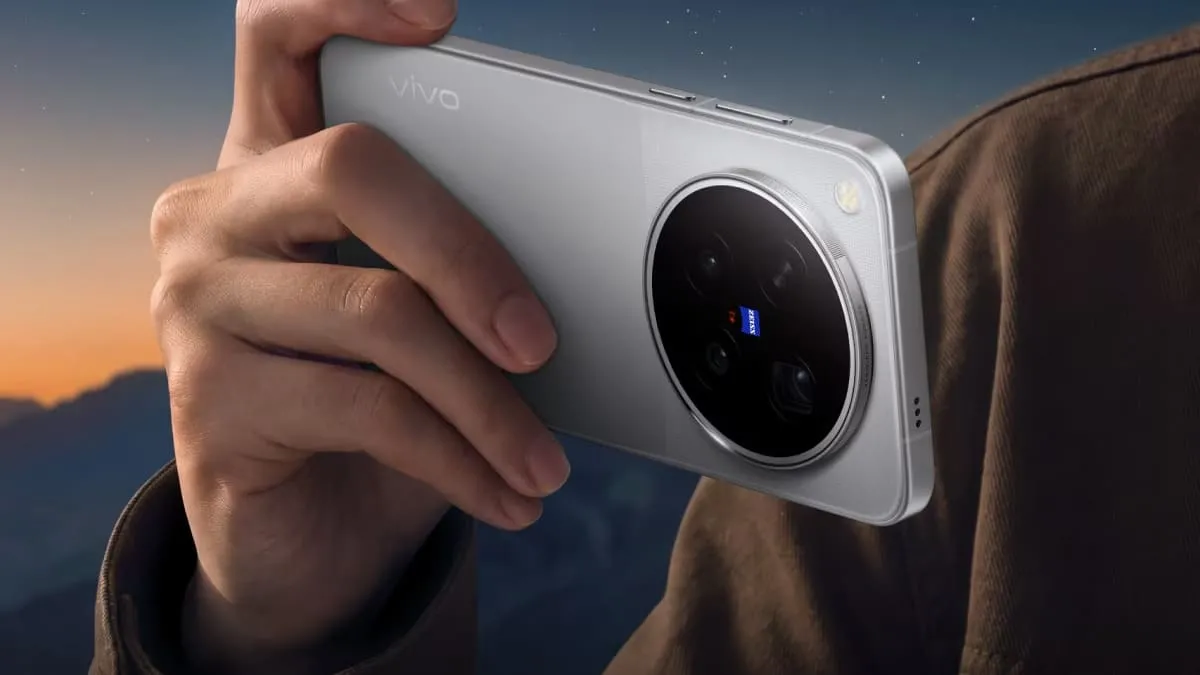
Huang Tao also said the X500 Ultra will offer significant camera improvements over the Pro Max model, with a focus on professional content creators. Mobile photography has become a primary battleground for flagship smartphones, with manufacturers investing heavily in sensor hardware and computational photography algorithms. The emphasis on professional creators indicates that the device will include manual controls, advanced video recording formats, and superior low-light performance.
The device could feature a triple rear camera system with 50MP, 50MP, and 200MP sensors, alongside a 50MP front camera. However, the exact purpose of each rear sensor remains unclear at this stage. Earlier leaks suggested different 200MP telephoto sensors, creating uncertainty about the final camera configuration. High-resolution telephoto lenses allow users to capture distant subjects with exceptional clarity, bridging the gap between traditional cameras and mobile technology.
Vivo has not confirmed the leaked camera specifications, and the company could make further hardware changes before production begins. Camera tuning involves extensive collaboration with optical engineers and software developers to ensure accurate color reproduction and dynamic range. Consumers and photography enthusiasts will need to wait for official sample photos and detailed reviews to evaluate the practical performance of the camera array.