Federal Investigation Agency Arrests Former NADRA Official in Karachi
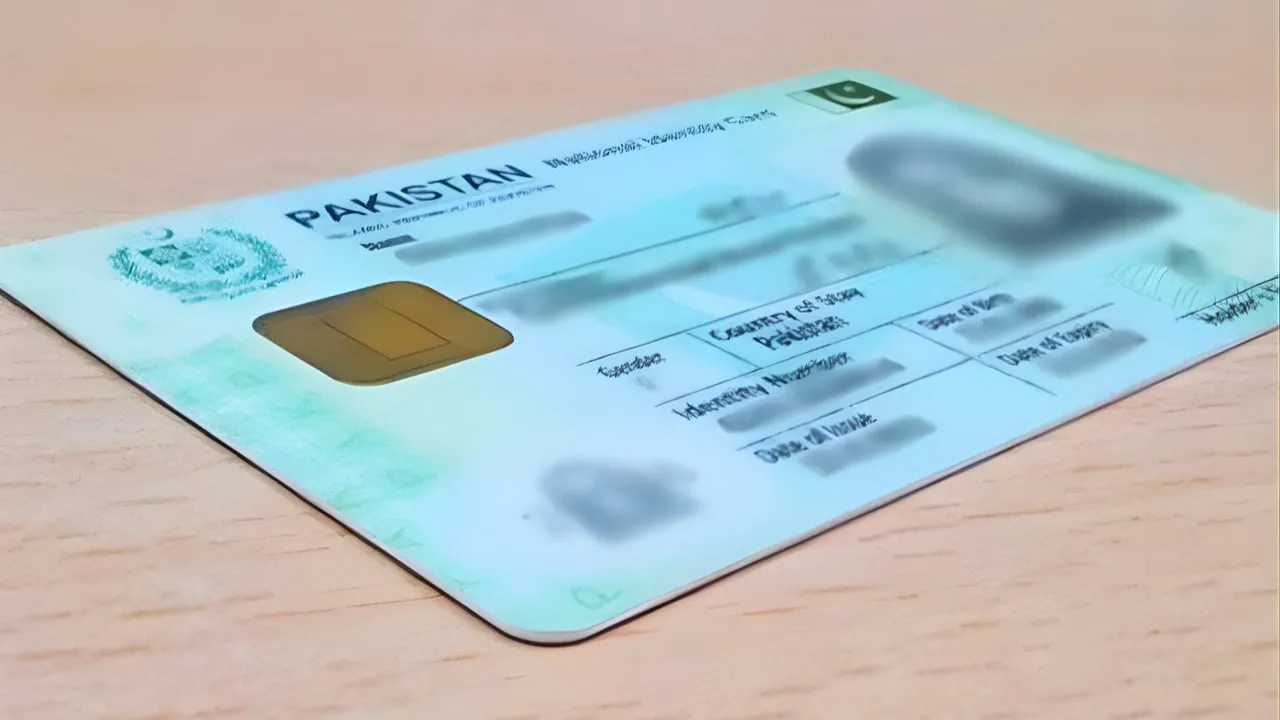
The Federal Investigation Agency arrested a former National Database and Registration Authority assistant director in Karachi on Saturday for allegedly helping an Iranian national obtain a Pakistani identity card. This high-profile arrest highlights ongoing efforts by law enforcement agencies to crack down on identity fraud and illegal immigration networks operating within the country. The suspect, identified as Ziaul Haq Arain, previously held a significant technical role within the civil registration system before coming under scrutiny by investigators.
An Federal Investigation Agency spokesperson identified the suspect as Ziaul Haq Arain, who previously served as Assistant Director (Technical) at the Mega Siemens Chowrangi branch of National Database and Registration Authority. The Anti-Human Trafficking Circle in Karachi arrested him after an investigation linked him to the processing of an identity card for Iranian national Mohammad Akbar. Law enforcement officials acted swiftly upon gathering sufficient evidence connecting the former administrator to the fraudulent issuance of official state documentation.
How the Illegal Passport and ID Scheme Was Discovered
The case began when immigration officials at Jinnah International Airport in Karachi stopped two passengers bound for Qatar who were travelling on Pakistani passports, over doubts about their nationality. Airport security personnel routinely screen outbound travelers, and discrepancies in travel documents often trigger deeper inspections by border control authorities. In this instance, the vigilance of immigration staff at the airport terminal uncovered the underlying falsification of nationality status.
During questioning, both reportedly said they were Iranian citizens by birth and admitted paying money to obtain Pakistani identity documents illegally, according to the Federal Investigation Agency. Further investigation established Arain's alleged role in processing the identity card of one of the two passengers, which led to his arrest. The sudden confession provided investigators with the critical link needed to trace the forged paperwork back to a corrupted inside source within the registration authority.
Understanding the Role of NADRA in National Security
The National Database and Registration Authority is the central government agency tasked with maintaining the computerized national identity database for all citizens. Established to streamline civil registration and enhance state security, the authority issues computerised identity cards and maintains vital records such as births, marriages, and deaths. Security protocols require strict verification of lineage and citizenship before any official identity document is issued to an applicant.
When insiders bypass these rigorous protocols for financial gain, the integrity of the entire national database suffers. Unauthorized issuance of identity cards to foreign nationals poses serious security challenges, as it allows individuals from other countries to move freely using authentic state-issued credentials. Law enforcement agencies treat such breaches as major threats to internal security, prompting intensive investigations whenever fraudulent documents are detected at international borders.
Ongoing Investigation Into the Karachi Identity Fraud Ring
The Federal Investigation Agency said interrogation of the suspect is continuing, and National Database and Registration Authority records and related documents are being verified. Investigators are combing through digital logs, physical application files, and financial transactions associated with the accused former official to determine the full extent of the operation. Forensic analysis of database entries helps authorities pinpoint every instance where security measures were allegedly bypassed.
The agency is also pursuing other officials, agents and facilitators suspected of involvement in the illegal issuance of Pakistani identity documents, and said investigations will continue until all those linked to the alleged network are identified. Corruption rings of this nature typically involve a chain of intermediaries, ranging from corrupt bureaucrats who hold database access rights to middleman agents who source foreign clients willing to pay for fraudulent papers. Dismantling this broader syndicate remains a top priority for the Anti-Human Trafficking Circle as the inquiry deepens.
Broader Implications for Immigration and Border Control
The incident at Jinnah International Airport underscores the vital role that frontline immigration officers play in detecting transnational document fraud. Traveling to foreign destinations like Qatar using fraudulently obtained passports undermines international trust in national travel documents and can lead to stricter scrutiny of all citizens abroad. Border security agencies across the region continually update their screening methods to catch forged paperwork before suspects board international flights.
Public institutions rely heavily on internal accountability mechanisms to deter employees from engaging in illicit activities. As digital systems become more advanced, audit trails also improve, making it harder for rogue administrators to alter records without leaving digital footprints. The current crackdown serves as a strong warning to anyone contemplating the abuse of public office for personal enrichment through document trafficking.