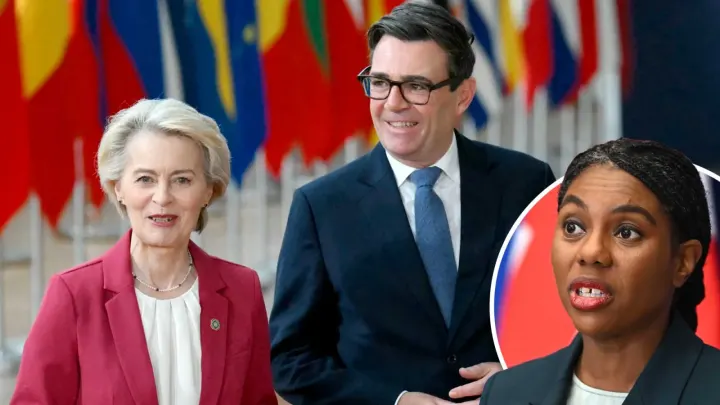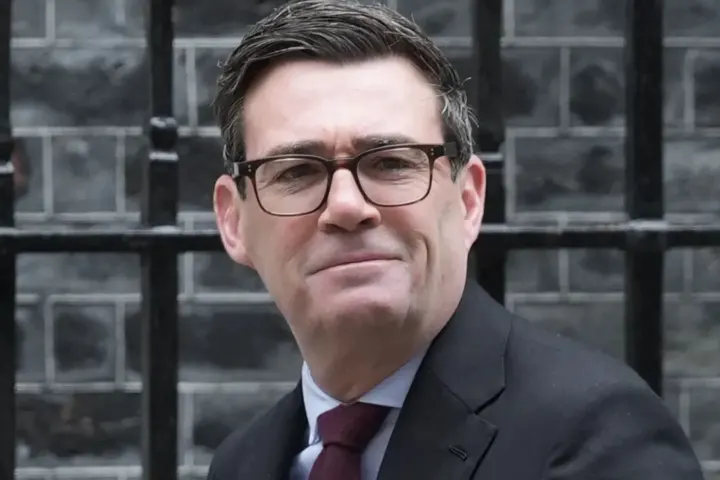
Andy Burnham is putting Europe at the heart of his premiership, staking his hopes on closer ties with Brussels to fix Britain's problems.
What Burnham Has Said About Europe and Brexit
At a press conference last week the prime minister claimed that British exports have been hit and are down since the country left the EU. Brexiteers immediately countered the claim, calling it false. Burnham later described Brexit as exactly what "our enemies wanted", adding that it was the "first domino to fall in a global move towards more isolationism".
He also announced that ministers are expected to sign Britain up to EU rules on food, carbon trading and youth mobility at a crucial summit on Friday. The move would align UK policy with the EU in three key areas, even as the government faces criticism that such alignment does not address the issues most voters care about.
Why Voters Prioritise Cost of Living and Immigration Over EU Relations
Recent polling shows that British citizens rank the cost of living and immigration as the two biggest issues facing the country. Defence and security follow, while only 11 per cent of respondents name Britain's relationship with the EU as a pressing concern. The data suggests that a Europe-centric agenda is unlikely to resonate with the majority of the electorate.
Potential Impact of Aligning with EU Rules
Signing up to EU food standards could affect domestic producers who currently benefit from more flexible regulations. Aligning carbon-trading schemes would tie the UK to the EU Emissions Trading System, potentially influencing energy prices. Youth mobility rules could make it easier for British students to study abroad, but the immediate economic impact is modest compared to the scale of the country's fiscal challenges.
Energy Bills
Energy bills are projected to rise by £443 from January. The EU carbon-trading alignment is unlikely to offset that increase, as the underlying drivers are global energy market volatility and domestic policy decisions on subsidies.
Migrant Crossings
More than 20,000 migrants have crossed the Channel since the start of the year. Adjusting EU border cooperation rules will not, on its own, stem that flow, which is driven by broader geopolitical factors and the attractiveness of the UK's asylum system.
Benefits Bill
The benefits bill is set to top £400 billion by 2030. Even a new report by Alan Milburn, if followed to the letter, would only start bringing it down by 2036, well beyond the current parliamentary term.
Labour's Growing Europe Focus
Labour MPs are becoming increasingly energised by Europe. Ex-deputy prime minister David Lammy is the latest to argue that 'Rejoin' should be on the ballot at the next election. While the party's Europe-friendly wing sees a potential political advantage, analysts warn that the policy does not directly address the cost-of-living squeeze or immigration pressures that dominate voter concerns.
Why the Europe Fix May Not Deliver Economic Relief
Whipping up his core supporters into a frenzy over Europe may work in the short term, but the broader electorate is looking for tangible solutions to rising bills, border security and the looming benefits deficit. The EU-aligned policies Burnham is championing are unlikely to cut energy bills, control borders, or reduce the benefits bill within the next decade.
What Comes Next for Burnham's Europe Agenda
The summit on Friday will test whether the government can secure formal agreements on food standards, carbon trading and youth mobility. If the agreements are signed, the next steps will involve legislative changes in the UK Parliament to adopt the EU rules. No timeline has been announced for when these changes would take effect, and opposition parties have signalled they will scrutinise any legislation closely.
Watch for parliamentary debates on the EU alignment bills, statements from the Treasury on the impact on the benefits bill, and any new polling that measures voter reaction after the summit.
Practical Takeaways for Readers
- If you are a small food producer, EU food standards could require changes to labeling and safety procedures.
- Households should not expect immediate relief on energy bills from the EU carbon-trading alignment.
- Individuals relying on benefits should be aware that the projected £400 billion bill will not be reduced until after 2036, even if the Milburn report is fully implemented.
- Voters concerned about immigration may need to look beyond EU cooperation and focus on domestic border policy proposals.
In summary, while Burnham's Europe fixation signals a strategic shift toward closer ties with Brussels, the policy does not directly tackle the issues that dominate British public opinion today.