Why Left-Wing Politicians Feel Nervous About Men And Boys Issues
Labour officials have admitted that politicians on the political left have historically been too timid and nervous about addressing specific challenges facing men and boys. Justice minister Jake Richards addressed this issue openly, stating that political figures have avoided these important conversations for far too long. The admission comes as the government prepares to launch a major series of events aimed at shifting how society tackles male wellbeing, youth unemployment, and mental health.
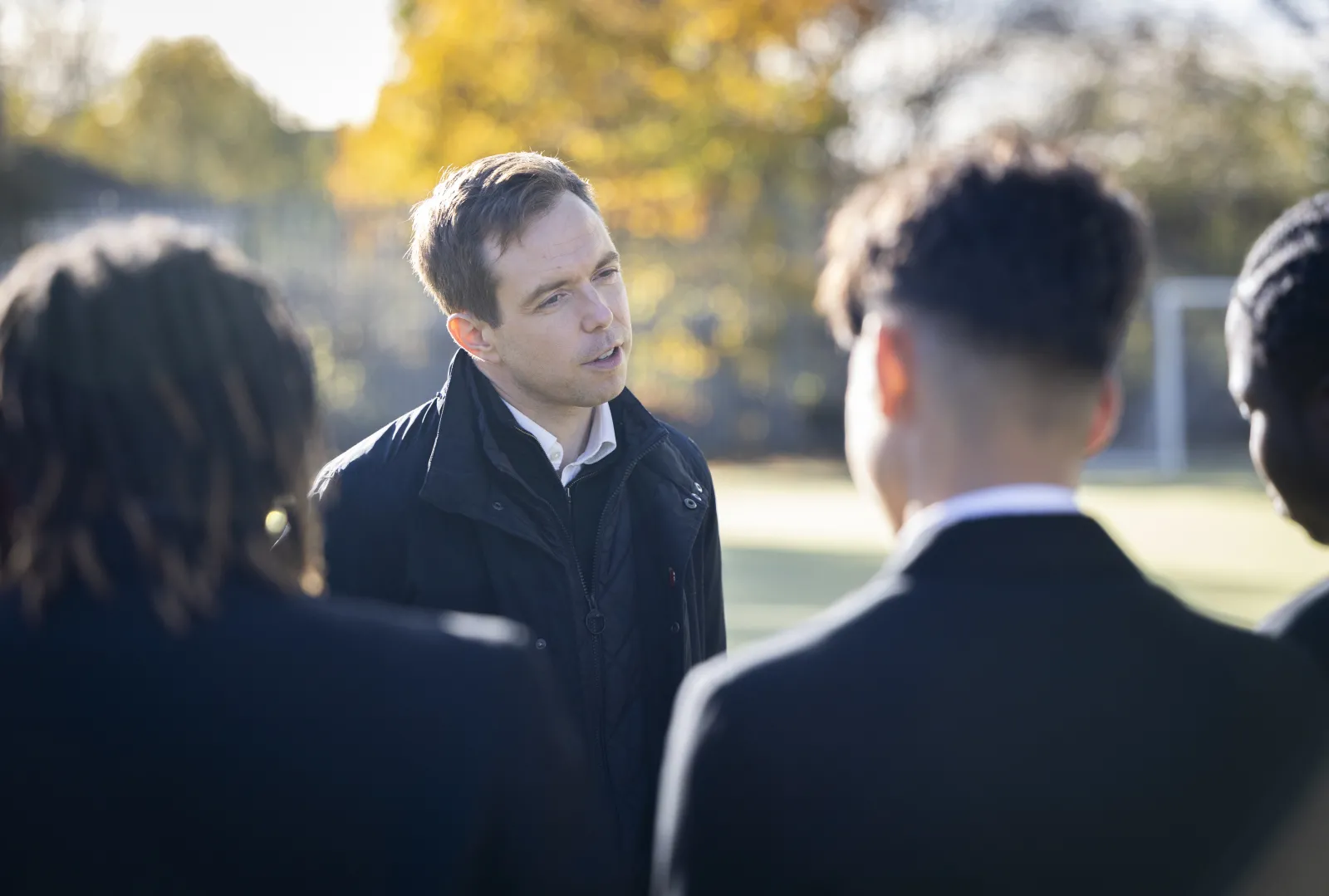
Speaking ahead of International Men's Day at a school in North London, Mr Richards explained the historical hesitation among left-wing policymakers. He pointed out that while campaigns to end the gender pay gap and tackle violence against women and girls remain absolutely central to government goals, politicians have often feared that addressing male-specific struggles might detract from those vital efforts. However, he stressed that the other side of that coin requires creating environments and opportunities for young men and boys to grow up properly.
The upcoming government strategy involves working closely with popular digital creators rather than relying solely on traditional politicians. Officials plan to team up with prominent TikTok and YouTube influencers, bringing in stars from the worlds of sport, music, and gaming to front content focused on positive male role models. By handing the stage to these internet personalities, the administration hopes to reach millions of men and boys directly where they consume media.
Details Of The Upcoming National Reckoning Summit On Men
To confront these challenges directly, the government has announced plans for a national reckoning summit on men and boys to take place next year. Mr Richards described the planned gathering as a real moment for the entire country to openly discuss topics that politicians have avoided for decades. Rather than confining the discussions to Westminster, the summit will take place through a series of events held across the country and outside of London.
The initiative aims to address several stark statistical realities currently affecting male citizens across England. Organizers want the national conversation to focus heavily on economic participation, mental health crises, and educational disparities. Government ministers hope that moving the dialogue outside of traditional political arenas will encourage wider public participation and practical solutions.
During his remarks, Mr Richards highlighted figures such as Andy Burnham, whom he described as a long-term champion of men's issues, even as the broader political movement navigated the complexities of modern social policy. The summit intends to build upon these localized efforts by creating a unified national platform for debate, policy formulation, and cultural engagement.
Addressing Youth Unemployment And The NEET Crisis Among Young Men
Economic disconnection among young males forms a core pillar of the upcoming government agenda. Recent labor market data highlights persistent disparities in youth employment, prompting urgent calls for targeted intervention. Mr Richards pointed directly to official figures showing that young lads are disproportionately represented among those who are unemployed and out of work.
The term NEET refers to young people not in education, employment, or training. Government analysts note that boys make up a hugely disproportionate share of this vulnerable demographic. Addressing this economic imbalance requires understanding why young men struggle to transition successfully from secondary education into stable careers or vocational training programs.
The upcoming summit will examine structural barriers preventing young males from securing long-term employment. By engaging with influencers in gaming, music, and sports, the government hopes to promote alternative career pathways and mentorship opportunities that resonate with disengaged youth. Policy experts will use the event to debate new training initiatives and community-level support networks.
Tackling The Mental Health Emergency And High Suicide Rates Among Men
Mental health remains one of the most alarming aspects of the crisis facing males in modern society. Mr Richards highlighted a devastating public health statistic during his announcement, noting that suicide is currently the single biggest killer of men aged under 50 in England. He described this reality as a shocking fact that must sit at the very top of the national agenda.
Public health advocates have long argued that traditional masculine norms discourage men from seeking psychological help or discussing emotional distress. The national reckoning summit will dedicate significant time to exploring better mental health support systems tailored specifically to male demographics. Community organizations and healthcare professionals will participate in regional events to design more effective intervention strategies.
By bringing these conversations into the mainstream, the government hopes to dismantle the stigma surrounding male mental health. The collaboration with digital influencers is seen as a key tool for encouraging open discussions about vulnerability, stress, and emotional wellbeing among younger generations who rarely engage with traditional healthcare messaging.
Educational Disparities And Why Boys Fall Behind At School
Educational underachievement among boys represents another critical challenge that the upcoming national summit intends to tackle. Mr Richards questioned why boys consistently perform far worse than girls throughout their school years. This educational gap begins early in childhood and persists through secondary education, ultimately limiting future employment prospects for millions of young men.
Educational researchers point to various factors contributing to the gender gap in academic attainment, including teaching methods, behavioral expectations, and classroom environments. The government hopes the summit will foster an honest appraisal of how schools support male pupils. Teachers, educational psychologists, and policymakers will collaborate to identify successful classroom strategies that boost boys' engagement and literacy rates.
Tackling educational underperformance is viewed as a necessary precursor to solving broader societal issues like youth unemployment and mental distress. Ensuring that boys succeed academically gives them the foundational tools required for stable adult lives. The upcoming regional events will gather input from educators on the ground to shape future educational reforms.