Why Drip Drying After Urinating Can Lead to Infections
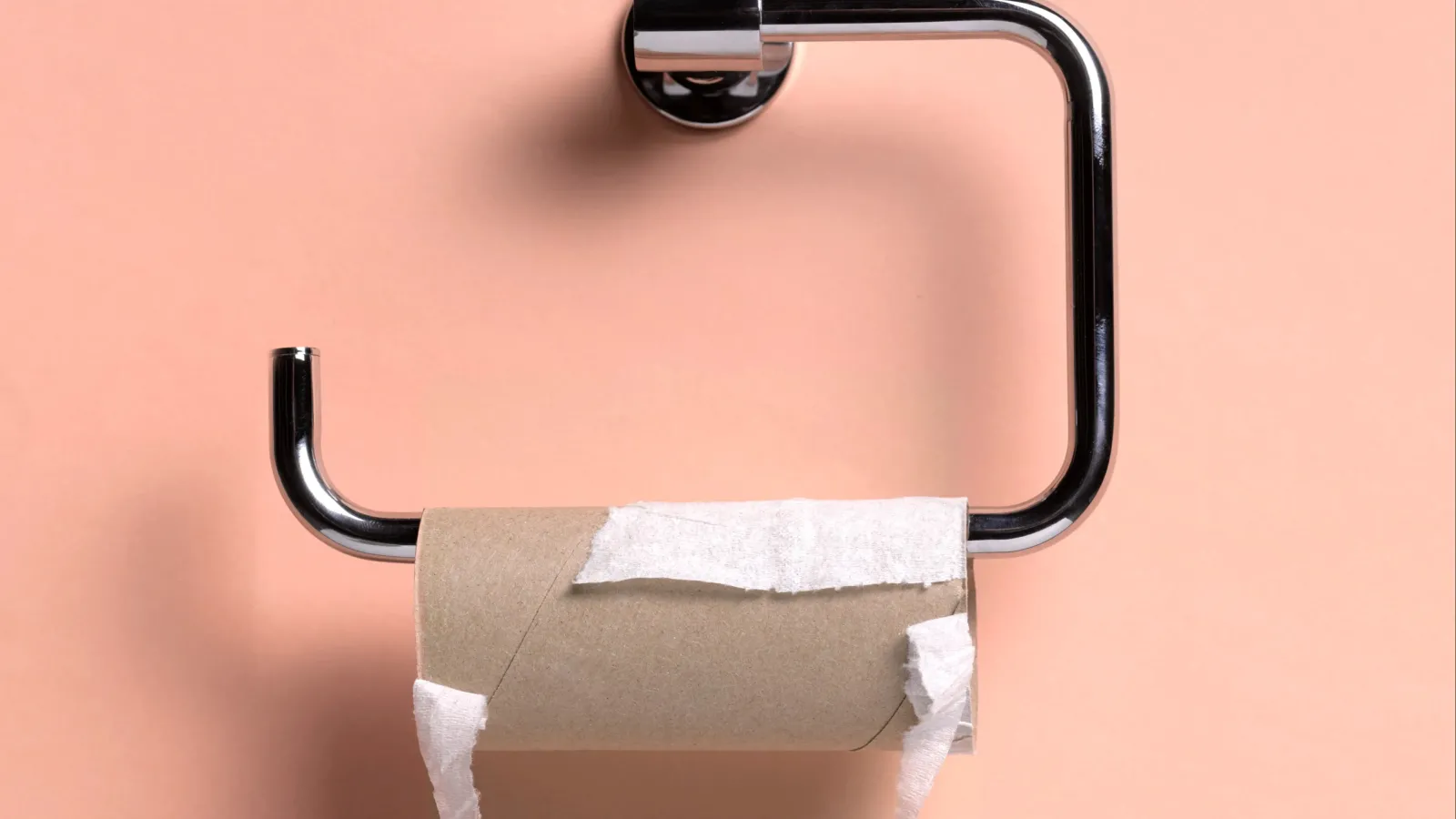
Finding out there is no toilet paper left after using the bathroom is a frustrating experience that almost every woman encounters at some point. Caught off guard, individuals are often left with limited choices, forcing them to rely on air drying, shaking off excess moisture, or searching for scraps on an empty roll. While this situation feels merely inconvenient in the moment, health experts warn that leaving the area damp can actually lead to a painful urinary tract infection, commonly known as a UTI.
Dr Caitlin Dean, a former nurse and women's health campaigner, explains that while urine has low levels of bacteria that don't tend to be problematic, the issue begins when you pull your pants up. She states that if you have damp knickers, because of where they sit next to your crotch, the urine doesn't dry, it festers. If your pants are wet and warm, the bacteria can fester and grow. This warm and moist environment creates ideal conditions for bacteria to multiply, ultimately paving the way for women to develop a UTI or a yeast infection such as thrush.
Understanding Urinary Tract Infections and Their Complications
Urinary tract infections can affect different parts of the urinary tract and include cystitis, which is a bladder infection and urethritis, an infection of the urethra. If UTIs are left untreated, they can also cause a kidney infection which in turn can cause sepsis if not addressed. UTIs are caused by bacteria entering the urinary tract and as well as not wiping, this can also be caused by wiping your bottom from front to back, having a weakened immune system, using spermicide with contraception and not drinking enough fluids.
Common symptoms of a UTI include pain or a burning sensation when you pee, needing to pee more often than usual, needing to pee suddenly, blood in your wee, tummy and back pain and a high or low temperature. It is important to see a GP or pharmacist if you believe you have a UTI. If the UTI is mild, GPs can offer advice and recommend you take painkillers, the NHS says. In other situations, a short course of antibiotics may be prescribed to clear the bacterial infection effectively.
Recurrent UTIs and Medical Treatments
Some women also unfortunately experience recurrent UTIs, where the infection comes back after treatment or you have at least two in the space of six months. In these situations, you're likely to be prescribed a different antibiotic or a low-dose antibiotic to take for six months. You may also be referred to a specialist for further tests and treatment. Speaking about the risk of drip drying causing UTIs, Dr Dean tells the Metro that while our natural discharge helps to keep us clean, urine doesn't.
She adds that even if you do wipe after peeing, there may still be a dribble of urine that leaks out, again increasing the potential risk of developing a UTI. Medical guidance emphasizes that bacteria enter through the tube that carries pee out of the body, known as the urethra. Women are more likely than men to pick up UTIs as they have a shorter urethra than men, meaning bacteria are more likely to reach the bladder or kidneys and cause an infection.
Risk Factors Associated With Bacterial Growth
According to the NHS, things that increase the risk of bacteria getting into the bladder include having sex, pregnancy, and conditions that block the urinary tract such as kidney stones. Additional risk factors involve conditions that make it difficult to fully empty the bladder, such as an enlarged prostate in men and constipation in children. Urinary catheters, which are tubes in the bladder used to drain urine, also elevate infection risks.
Further vulnerabilities arise from having a weakened immune system, for example in people with diabetes or people having chemotherapy, along with not drinking enough fluids and not keeping the genital area clean and dry. Symptoms of a urinary tract infection may also include needing to pee more often than usual during the night, pee that looks cloudy, and a very low temperature below 36C. Your pee may also be dark or smell, though if this is your only symptom, it might be because you have not been drinking enough water.
Medical Guidance and Management Strategies
If you think you have UTI symptoms, you should speak to your GP to discuss treatment options. Most people will need antibiotics to clear the infection. Some people may be prescribed a delayed antibiotic, meaning they'll be asked only to use it if their symptoms don't go away after a certain amount of time.
If you keep getting UTIs, your GP might recommend you have a low dose of antibiotics over a long period of time or refer you to a specialist for more tests and treatments. For women who have gone through menopause, there is evidence that vaginal oestrogen creams can reduce UTI symptoms. Proper diagnosis and tailored treatment plans remain essential for managing persistent cases and preventing upper urinary tract complications.
Practical Prevention Methods and Hygiene Devices
The NHS advises that keeping the genital area clean and dry can help prevent a UTI. Dr Dean has created a simple solution to help with this and get rid of the dreaded drip dry. Called a wild wipe, it is a small, pocket-sized device designed to help you wipe pee drips away from your body. It contains antimicrobial technology for maximum hygiene and costs just £13.99.
By removing the excess urine, there will be less chance for bacteria to fester in your underwear and this will in turn hugely reduce your risk of developing a UTI. The NHS also advises people to wipe from front to back when they go to the toilet and to wear cotton underwear. Drinking plenty of water can also help to prevent a UTI, along with peeing as soon as possible after sex and washing the area with water before and after sex.