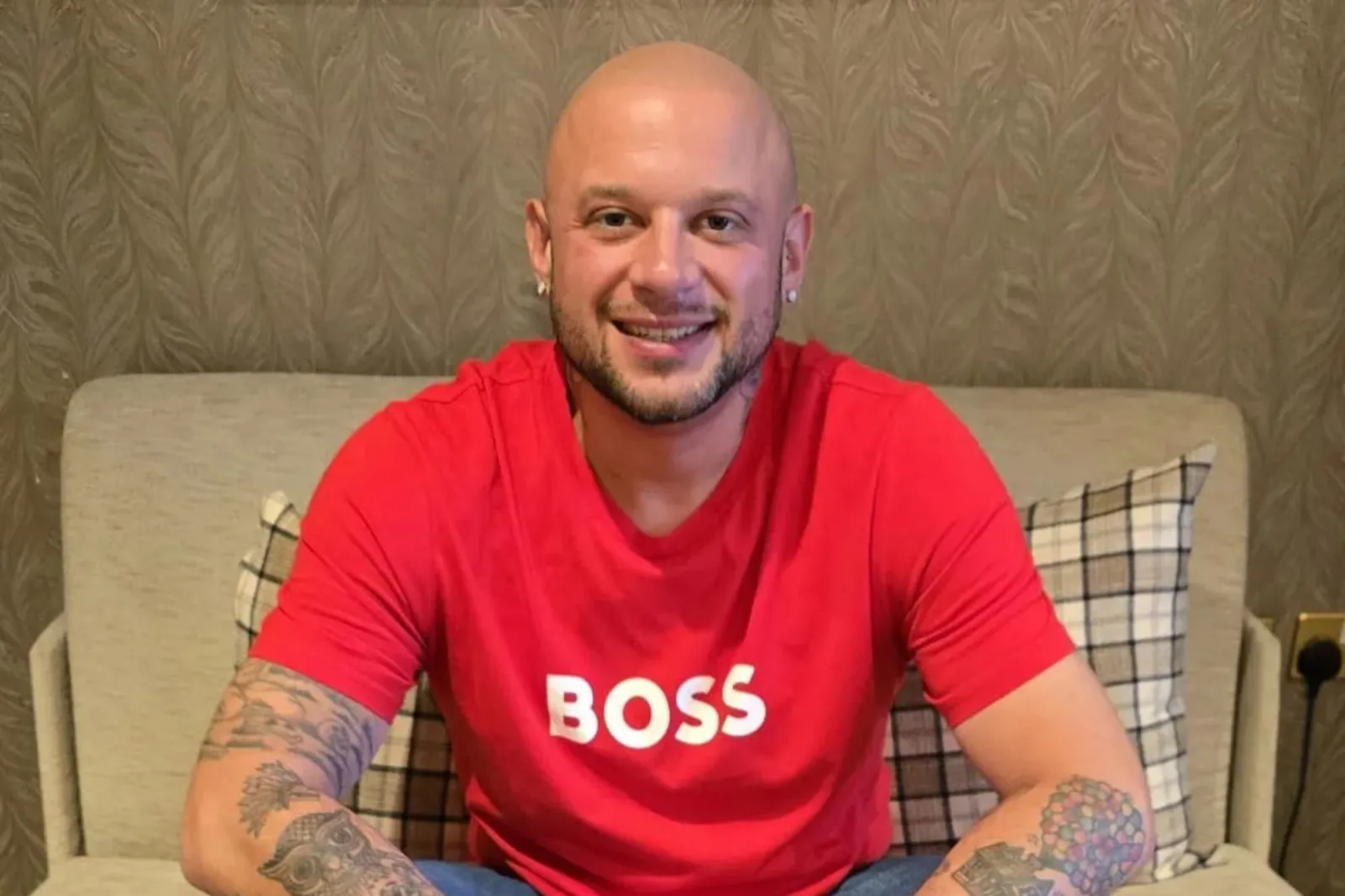
Train Driver Reclaims Life After Cheap Test Flags Low Testosterone
Nick Dooley, a 40-year-old train driver from Bury, North Manchester, spent seven years battling severe anxiety, depression, and weight gain before a forty-pound online blood test revealed he had low testosterone, completely transforming his mental and physical health after he began hormone replacement therapy in October 2024.
For years, his debilitating symptoms were dismissed as routine exhaustion brought on by night shifts and the pressure of daily life. The discovery not only unlocked a path to recovery but also highlighted how millions of men suffer in silence due to a lack of awareness surrounding male hormone health.
How Low Testosterone Destroyed Years of Normal Life
Once known as a chatty and outgoing car salesman, Nick Dooley found himself unrecognizable as his physical and mental health began to decline around seven years ago. He took on demanding shift work as a train driver, permanently starting work at 10pm or 11pm and working through until 5am or 6am.
The erratic hours took a heavy toll on his well-being. He became a recluse, suffered from deep depression, and experienced intense anxiety that made going out nearly impossible. Simple tasks felt insurmountable, and he lacked the motivation to play with his young children, a fact that weighed heavily on his conscience.
His social life withered away as he constantly sought excuses to avoid friends and family gatherings. Even when he managed to make social plans, he spent the lead-up consumed by panic, walking around with sweaty palms and carrying a tissue in his pocket just in case he had to shake someone's hand. His relationship with his teaching assistant partner, Katy, also felt the strain as his interest in sex vanished completely.
Finding Answers Through a Simple Online Blood Test
Because he was raised with a traditional stiff upper lip mentality, Nick Dooley never thought to consult a general practitioner about his waning libido or emotional distress. Instead, he and his partner attributed the changes entirely to stress and exhaustion from his grueling work schedule.
The turning point arrived one evening while he was scrolling through Reddit and came across a post discussing testosterone replacement therapy. Reading through the symptom list, he realized he ticked ninety-nine percent of the boxes, recognizing descriptions of persistent anxiety, stubborn body fat, inability to build muscle, and erectile dysfunction.
After targeted advertisements for testosterone replacement therapy began appearing on his phone, he decided to take a chance on a forty-pound online home finger-prick test. A week after sending the sample to a laboratory, his results confirmed that his testosterone levels were low at 11.8 nanomoles per litre.
Understanding Hypogonadism and Medical Guidelines
Medical professionals define testosterone deficiency, or hypogonadism, as a condition where the testes produce insufficient hormones for normal bodily functions. The NHS generally considers normal testosterone levels to fall between 10 and 30 nanomoles per litre, meaning Nick Dooley sat at the lower end of the official spectrum.
Dr Jeff Foster, the medical director at the men's health website Manual.co who eventually treated him, notes that specialized organizations have different thresholds. According to the British Society of Sexual Medicine and the Endocrine Society, if a patient has a total testosterone reading of 12 nanomoles per litre or less alongside relevant symptoms, they should be considered for a trial of treatment. Furthermore, if metabolic problems like diabetes are present, doctors may treat men with total testosterone readings under 15 nanomoles per litre.
Nick Dooley suspected the NHS would not offer him assistance based purely on his initial test score, prompting him to seek private care. During his medical evaluations, he also discovered he had non-alcoholic fatty liver disease, a condition frequently linked to fatigue and metabolic stress in individuals carrying excess weight.
Physical and Mental Recovery After Hormone Therapy
In October 2024, Nick Dooley began injecting testosterone cypionate twice a week at a cost of one hundred and ten pounds a month. At the time, his weight hovered around 19st 4lbs, having previously peaked at a heavy 21st 10lbs despite years of fighting against his own head with diets and exercise.
The physiological response to hormone therapy was swift and dramatic. One of the earliest improvements was his sleep quality, as he stopped waking up six or seven times a night to use the bathroom, allowing him to wake up feeling genuinely refreshed.
With his energy restored, he overhauled his lifestyle by replacing daytime television workouts with garden weightlifting and kicking a destructive takeaway habit that previously saw him spending three to four hundred pounds a month on UberEats. He cut out alcohol and processed foods, adopting a strict diet of two healthy meals a day loaded with protein and vegetables, alongside four litres of water daily.
Two years after starting testosterone replacement therapy, his weight dropped to 12st 3lbs, marking a total loss of 7st 1lb. Beyond the scale, his body shape changed fundamentally, with his chest reducing dramatically and his lifelong struggle with stubborn gynecomastia finally resolving.
Breaking the Stigma Surrounding Men's Health
Nick Dooley emphasizes that hormone therapy is not a magic weight-loss drug, but rather the catalyst that provided the underlying motivation and hormonal balance he needed to change his life. He now aims to break the cultural stigma attached to male hormone treatments by sharing his journey openly online.
While women's hormone replacement therapy is discussed frequently and openly in public forums, treatments for men often face misconceptions linking them exclusively to bodybuilders or elderly individuals. By speaking out, he hopes to encourage other men experiencing similar unexplained fatigue and mental health struggles to get tested, pointing out that a simple test could change their lives entirely.