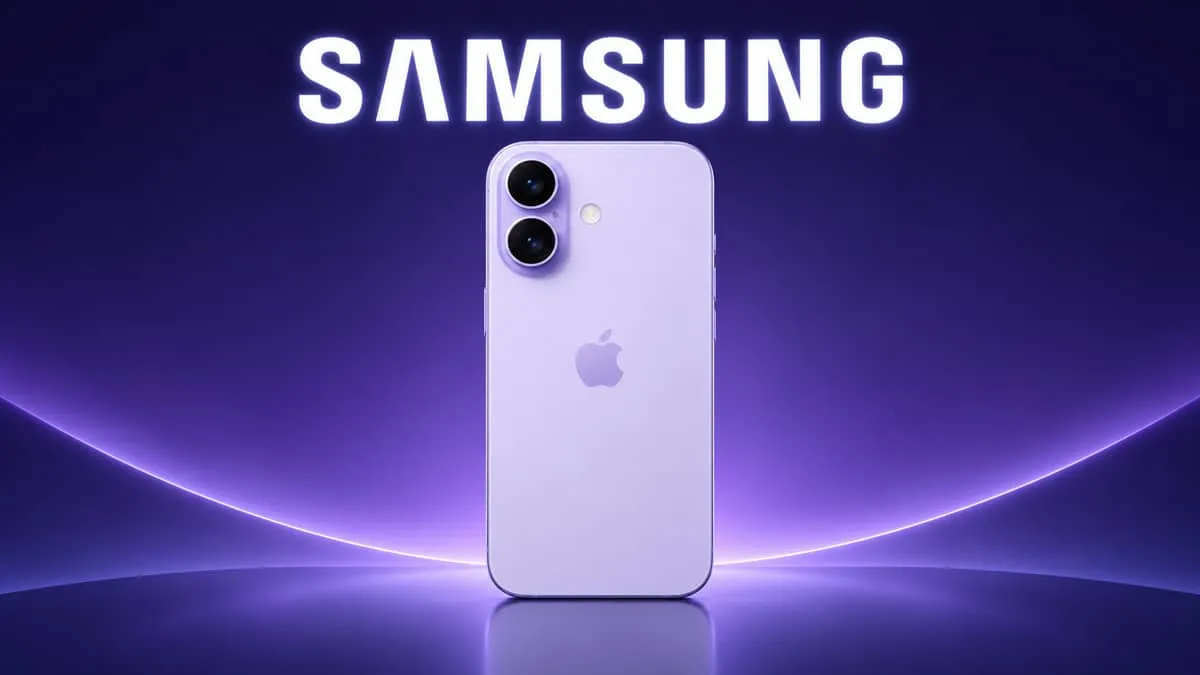
Why the Standard iPhone 18 Was Left Out of the September Launch
Apple left the standard iPhone 18 out of its September launch, as reports had suggested for months. Earlier speculation pointed to rising memory prices and supply bottlenecks. Japanese semiconductor publication Semiconportal now points to another possible reason. Apple may be giving Samsung more time to produce enough camera sensors for the phone.
Understanding the dynamics of modern smartphone manufacturing requires looking closely at component integration. High-end mobile devices rely on complex supply chains spanning multiple continents. When a key part faces a production shift, the final product release schedule often changes to match component availability.
Market observers frequently watch manufacturer schedules for signs of disruption. In this case, the decision by Apple to alter its typical release cadence highlights the delicate balance of hardware production. Consumers and analysts alike continue to examine how component sourcing influences retail availability.
Samsung Camera Sensor Timeline and Austin Production
Samsung reportedly began prototyping high-performance image sensors for future iPhones in spring 2026 at its facility in Austin, Texas. The reported schedule put mass production in the fall. Semiconportal suggests that waiting until early 2027 would give Samsung time to build up supply. Apple has yet to confirm the standard iPhone 18's launch date or explain why it left the phone out of its September event.
The Austin facility operates under specific industrial agreements aimed at expanding domestic technology manufacturing. Production schedules for advanced image sensors demand precise calibration and rigorous quality control. Facilities must test prototype runs thoroughly before moving to full industrial scale output.
While the spring 2026 prototyping phase set the initial groundwork, building adequate inventory requires months of steady factory work. Analysts monitoring the semiconductor industry note that yield rates during early production runs often dictate the final timeline for commercial releases.
Shifting Supply Chains and the Role of Sony
Sony has supplied most of Apple's iPhone image sensors for about a decade. Semiconportal expects that arrangement to change as Samsung joins the supply chain, with Sony expected to remain a supplier. It remains unclear how Apple will split orders between the two companies.
Relying on a single primary vendor for critical camera components carries inherent operational risks. Introducing a secondary supplier diversifies manufacturing output and helps mitigate potential factory disruptions. This dual-source strategy represents a common industry practice for high-volume consumer electronics.
Managing relations with multiple component manufacturers requires careful coordination of technical specifications and delivery schedules. Both Sony and Samsung must meet strict performance standards to ensure uniform camera quality across all manufactured units.
American Manufacturing Program and US Investment
Apple confirmed in August 2025 that it was working with Samsung on chip manufacturing at the Austin plant under its American Manufacturing Program. Apple announced the program alongside an additional $100 billion commitment to US investment. Its announcement covered chips for Apple products, including iPhones, and did not identify the standard iPhone 18 as a recipient.
The broader investment initiative focuses on expanding domestic semiconductor fabrication capabilities. Collaborating with major technology partners allows firms to build specialized production lines closer to domestic consumer markets. These industrial partnerships involve extensive capital allocation and long-term planning.
Although the initial announcements outlined general chip production goals, specific component allocations often remain confidential until products near release. The integration of Samsung into the domestic manufacturing framework marks a notable development for regional technology supply chains.
Component Costs and Financial Impact on Apple
Using two suppliers could give Apple more leverage on component prices. Gizmochina noted that rising memory and chip production costs make a lower iPhone 18 retail price unlikely.
Hardware pricing strategies depend heavily on raw material expenses and assembly overhead. When input costs for memory modules and processors climb, manufacturers face difficult choices regarding profit margins and retail tags. Diversifying suppliers serves as one method to manage these upward cost pressures.
Despite these manufacturing and pricing pressures, corporate financial performance remains strong. Apple reported record September-quarter revenue of $114.5 billion, up 12% from a year earlier. iPhone revenue also set a record for the September quarter, demonstrating continued consumer demand despite ongoing supply chain adjustments.