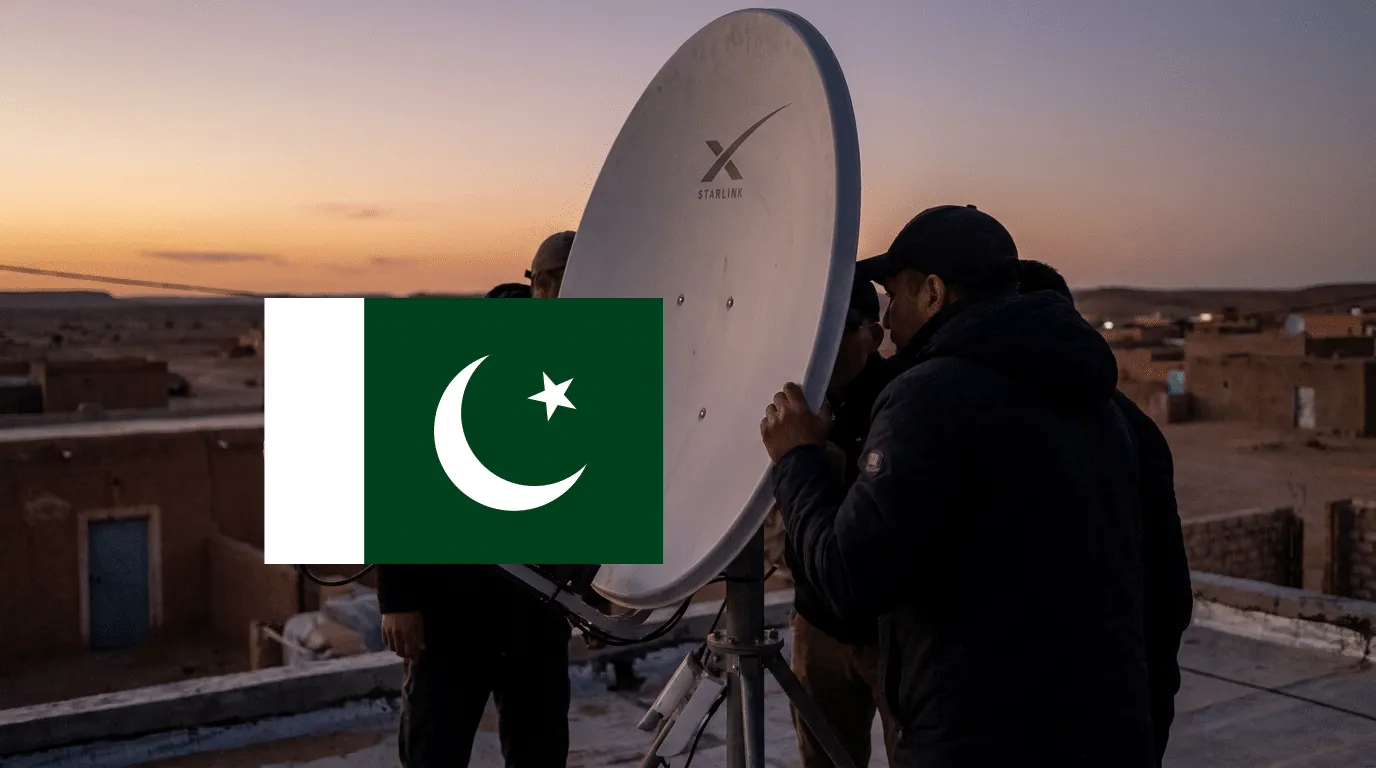
Understanding the Starlink Situation in Pakistan
Satellite internet technology developed by SpaceX promises to connect remote and underserved regions globally. However, the path to commercial deployment in specific nations involves navigating complex regulatory frameworks and security evaluations. Recent investigations by cybersecurity researchers point to distinct digital risks that could explain why Starlink internet has not yet launched in Pakistan. These challenges extend far beyond typical licensing negotiations, touching upon global digital surveillance and user privacy vulnerabilities.
An Israeli digital advertising company is heavily targeting users of Elon Musk's Starlink satellite internet service across more than 100 countries, Reuters reported. This widespread digital targeting has drawn intense scrutiny from technology analysts and security firms alike. As governments and regulatory bodies evaluate the security implications of satellite constellations, these digital tracking methods introduce severe complications for official market entry.
How Discover-Tech Targeted Starlink Users Worldwide
Researchers at TrendAI identified Discover-Tech as one of the biggest bidders for advertisements displayed to Starlink users, with the company ranking as the leading bidder on Starlink traffic in more than 100 countries. A tech analyst suggested this is one of the biggest reasons why Starlink internet hasn't launched in Pakistan. The mechanism relies on real-time bidding systems inherent in modern digital advertising networks, allowing specific traffic segments to be singled out for ad delivery.
It is important to understand that similar digital advertising systems could have been exploited to collect technical information, identify users and determine their locations. Through automated auctions, digital entities can observe incoming connection parameters and map out network topologies. This creates a hidden layer of reconnaissance that operates entirely outside traditional telecommunications oversight.
The Role of TrendAI, Citizen Lab, and Confiant
Investigations by TrendAI, Citizen Lab and advertising security firm Confiant found that information exposed through online advertising auctions can be collected and combined to track people across websites and applications. These organizations specialize in uncovering digital threats, tracking spyware, and auditing the security posture of online ad exchanges. Their collaborative findings exposed how seemingly routine ad networks can be repurposed for targeted intelligence gathering.
The activity was particularly concerning in countries where Starlink is banned or restricted, as well as war-hit regions such as Syria, Libya, Yemen and Sudan. In these sensitive environments, unauthorized tracking poses direct physical and digital dangers to individuals relying on alternative communication channels. Security researchers emphasized that the aggregation of ad-auction metadata allows external parties to pinpoint user terminals with alarming precision.
Connections to Surveillance and Spyware Operations
In a separate investigation, researchers linked Discover-Tech's advertising infrastructure to surveillance operations and the potential delivery of spyware without requiring users to interact with malicious advertisements. Zero-click exploits and invisible ad injections represent an advanced class of cyber threats that bypass standard user caution. By leveraging standard web traffic channels, malicious actors can insert surveillance payloads directly into a target device browser session.
Following the investigations, Google, Comcast and other companies removed Discover-Tech from their advertising platforms. Major technology firms acted swiftly to purge the violating entity from their ad exchanges once the surveillance links were verified. Despite these platform bans, the incident highlights ongoing vulnerabilities within the global programmatic advertising ecosystem that continue to trouble network operators.
Implications for Telecommunications Regulation in Pakistan
Telecommunications authorities maintain strict guidelines regarding foreign satellite providers and data routing protocols. When security audits reveal that user traffic can be monitored or intercepted via third-party digital infrastructure, deployment approvals face indefinite pauses. National security considerations dictate that any incoming communication network must demonstrate resilience against external tracking and espionage attempts.
Local businesses, educational institutions, and rural communities waiting for high-speed satellite connectivity must now factor these cybersecurity hurdles into their expectations. Regulators require comprehensive guarantees that user location data and connection metadata will remain entirely secure. Until such safeguards are formally established and verified by domestic experts, market entry remains complicated.
What to Watch for Regarding Satellite Internet Deployment
Observers monitoring the status of satellite internet providers in South Asia should follow official regulatory announcements rather than unverified rumors. Key indicators of progress will include formal licensing updates, spectrum allocation agreements, and public statements from domestic telecommunications authorities. Additionally, developments in global ad-tech security standards will dictate how safely satellite networks can interface with modern web infrastructure.
As cybersecurity firms continue to audit digital advertising pipelines, technology companies are implementing stricter controls on bidstream data sharing. These technical adjustments aim to prevent the exact type of surveillance exploitation uncovered in recent reports. Ensuring absolute privacy for end users remains the primary prerequisite for any future expansion into regulated markets.