When Will BYD Local Production Begin in Pakistan?
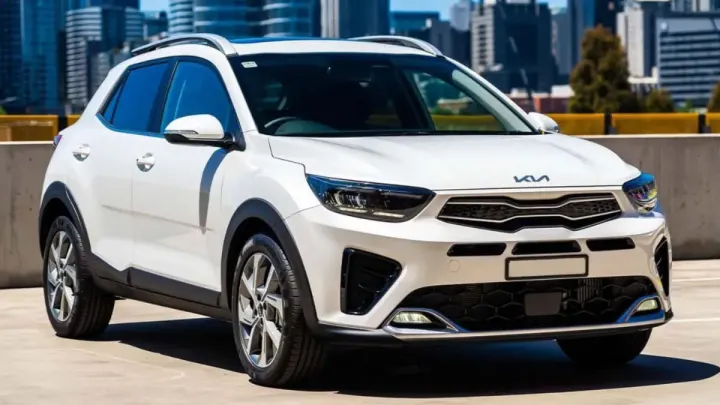
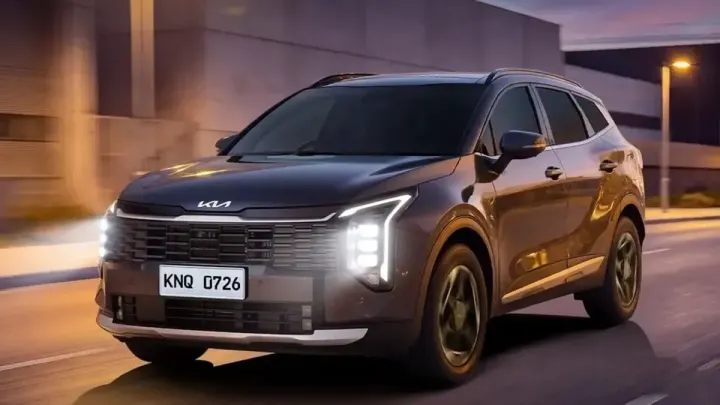
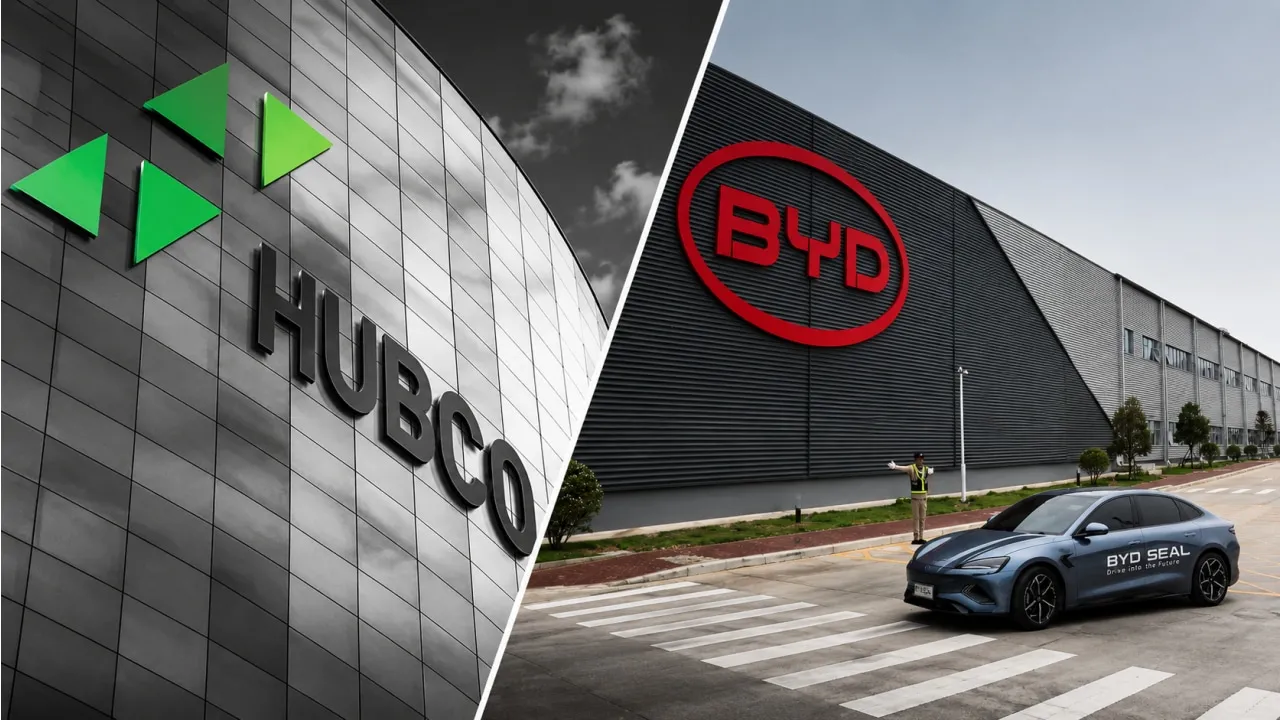
Hub Power Company plans to begin local production of Chinese automaker BYD vehicles in Pakistan in December 2026. According to a company management briefing, the Sealion 6 plug-in hybrid electric vehicle is expected to become the first locally assembled model.
Arif Habib Limited reported that HUBCO electric mobility business is gaining strong traction in the market. Cumulative sales for BYD have already exceeded 10,000 units. The business generated a profit of approximately Rs. 1.5 billion in the first quarter of fiscal year 2027, with HUBCO share standing at Rs. 780 million.
Arif Habib Limited stated in its report that management expects growth momentum to strengthen following the start of local CKD production. This targeted manufacturing schedule aims for December 2026 with the Sealion 6 plug-in hybrid electric vehicle serving as the inaugural locally assembled unit.
What Models Will BYD Bring to Pakistan?
Beyond the initial flagship offering, HUBCO is evaluating additional BYD models, particularly targeting higher-volume B and C segments. The Sealion 6, B8, and B5 models are expected around the end of calendar year 2026, according to financial reports from Arif Habib Limited.
This automotive expansion represents a major diversification for HUBCO, which traditionally operates as an independent power producer. By investing heavily in the electric vehicle sector through its partnership with BYD, the company is positioning itself at the forefront of green transport in the region.
The strategic entry into passenger cars addresses shifting consumer demands toward fuel-efficient and alternative-energy vehicles. Plug-in hybrids and electric cars offer a practical bridge for motorists dealing with high fuel costs and environmental regulations.
How Did BYD Enter the Pakistani Automotive Market?
BYD entered the passenger vehicle market in Pakistan in March 2024 through a partnership with Mega Conglomerate Pvt. Ltd. This initial association was later structured and clarified through HUBCO wholly owned subsidiary, Hub Power Holdings, alongside its associated company, Mega Motor Company.
Mega Motor Company holds the official responsibility for manufacturing, marketing, and distributing BYD-branded passenger vehicles across Pakistan. This corporate framework allows large-scale capital deployment and operational efficiency for local assembly plants.
Market analysts note that foreign joint ventures require extensive local backing to handle regulatory approvals, supply chain logistics, and dealership networks. The collaboration between established energy players and global manufacturing giants provides the necessary stability for such large industrial projects.
Details of the New Manufacturing Plant Near Karachi
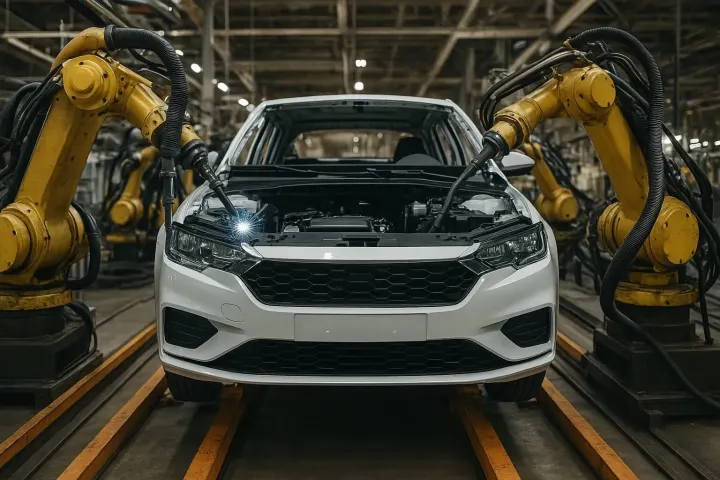
The manufacturing facility being built by BYD and Mega Motor Company near Karachi is designed for high-volume output. The plant is expected to initially produce 25,000 vehicles annually on a double-shift basis, providing a steady supply for domestic buyers.
Furthermore, the industrial site possesses the structural capacity to scale up production to 50,000 units per year as demand grows. This scalability ensures that local assembly can meet future increases in consumer adoption without requiring immediate secondary facility expansions.
Locating the plant near Karachi places it close to major port facilities, simplifying the importation of specialized components and raw materials needed during the initial manufacturing phases before local supply chains mature.
Charging Infrastructure Plans for Electric Vehicles
Alongside vehicle assembly, HUBCO has expressed active interest in developing comprehensive charging infrastructure across Pakistan. This initiative builds naturally upon the company core expertise in the power generation business.
A major barrier to electric vehicle adoption in developing markets is the lack of reliable public charging stations. By investing in power supply networks tailored for electric vehicles, HUBCO aims to alleviate range anxiety for drivers of the Sealion 6 and other future models.
The synergy between electricity generation and automotive distribution creates a closed-loop business model. As more electric and plug-in hybrid vehicles hit the roads, the demand for electricity will rise, feeding back into the broader corporate portfolio of the energy firm.