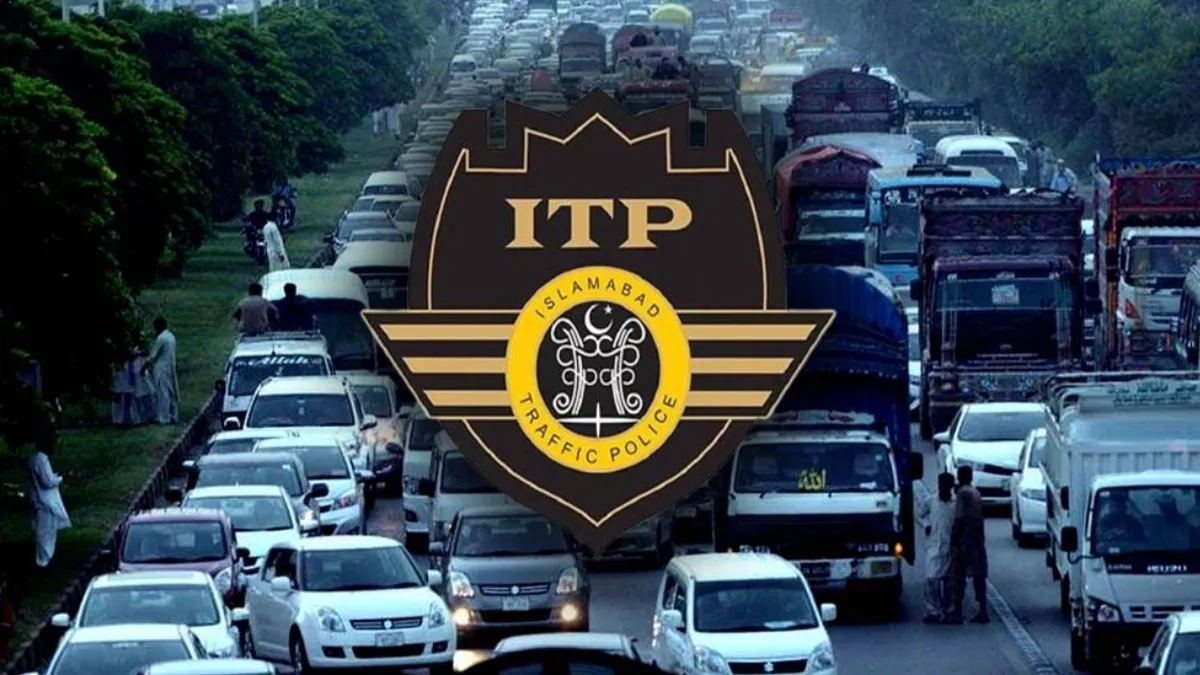
Islamabad Traffic Advisory Issued for Red Zone Entries
The Islamabad Traffic Police have officially announced temporary closures affecting key entry and exit routes leading into the sensitive Red Zone area. These disruptions began on November 3, 2026, and will remain in effect until further notice according to authorities. Commuters who regularly travel through the federal capital must adjust their daily schedules to account for the altered security arrangements.
Security and traffic management measures often change in Islamabad due to high-profile movements, official gatherings, and potential demonstrations near government buildings. The Red Zone houses critical national infrastructure, foreign embassies, and parliamentary offices, making movement restrictions a frequent tool for law enforcement agencies to maintain public order and safety. Police personnel have been deployed in high numbers across the affected junctions to manage the flow of remaining traffic and assist drivers.
Citizens who must travel into the central district need to plan alternative routes before starting their vehicles. Authorities have urged the public to cooperate with law enforcement officers stationed at various checkpoints throughout the city. Understanding the exact nature of these closures helps prevent unnecessary congestion on surrounding neighborhood roads.
Which Islamabad Routes Are Closed Due to New Restrictions?
The current traffic plan specifically targets major junctions that connect the outer sectors of Islamabad to the inner Red Zone. According to the Islamabad Traffic Police, the specific closures involve the following locations:
- Serena Hotel intersection
- NADRA Chowk
- Express Chowk
These three points serve as primary arteries for thousands of private vehicles, commercial transport, and government employees commuting daily. Closing these specific sectors effectively cuts off the most direct pathways from the Constitution Avenue area and neighboring diplomatic enclaves. Drivers attempting to reach offices near these junctions will find physical barriers and police cordons blocking vehicular access.
The decision to shut down these specific routes forces a heavy reliance on secondary roads that were not originally designed to handle high volumes of peak-hour traffic. Local businesses and residents living near these junctions should expect increased noise levels and slower vehicle speeds as traffic diverts onto residential streets.
Alternative Routes Open for Entering the Red Zone
While major entry points remain blocked, the Islamabad Traffic Police have designated specific alternative pathways for motorists needing access to the restricted sector. Citizens can still enter the Red Zone through the following open routes:
- Ayub Chowk
- The Marriott Hotel route
- Margalla Road
Using these remaining open pathways requires careful navigation, as vehicular volume on these specific stretches is expected to rise sharply during morning and evening rush hours. Commuters coming from northern sectors can use Margalla Road to bypass the congested central arteries, while those approaching from the eastern or southern sides can aim for Ayub Chowk or the Marriott Hotel route.
Traffic police personnel are stationed at these open junctions to actively guide commuters and prevent gridlock. Drivers must remain vigilant and follow hand signals or temporary directional signs posted by the authorities to keep traffic moving smoothly.
Travel Advice and Extra Commuting Time Required
The sudden shift in city traffic patterns creates significant delays for everyday travelers, students, and office workers. Authorities have strongly advised citizens to allow an extra 20 minutes for their journeys to avoid travel difficulties and arrive at their destinations on time.
Leaving home earlier than usual serves as the most effective strategy to mitigate the impact of these closures. Public transport users should also anticipate delays as buses and vans are forced to take longer detours around the blocked junctions.
Businesses operating within the capital are encouraged to show flexibility toward employees who may face transit hurdles while trying to reach their workplaces. Delivery services and commercial trucks must also factor these delays into their daily distribution schedules across the federal territory.
How to Get Real-Time Traffic Updates in Islamabad
Given the fluid nature of security restrictions, traffic conditions in Islamabad can change rapidly. The Islamabad Traffic Police have established communication channels to keep the public informed about ongoing developments and potential further closures.
For further information, commuters can contact the dedicated traffic helpline on 1915 to speak directly with police dispatchers about current road statuses. Additionally, citizens can follow Islamabad Traffic Police social media platforms for digital updates, maps, and photographic advisories.
Drivers can also tune in to FM 92.4 for regular traffic broadcasts throughout the day. Monitoring these official sources ensures that motorists receive accurate, verified information rather than relying on unconfirmed rumors circulating on private messaging applications.