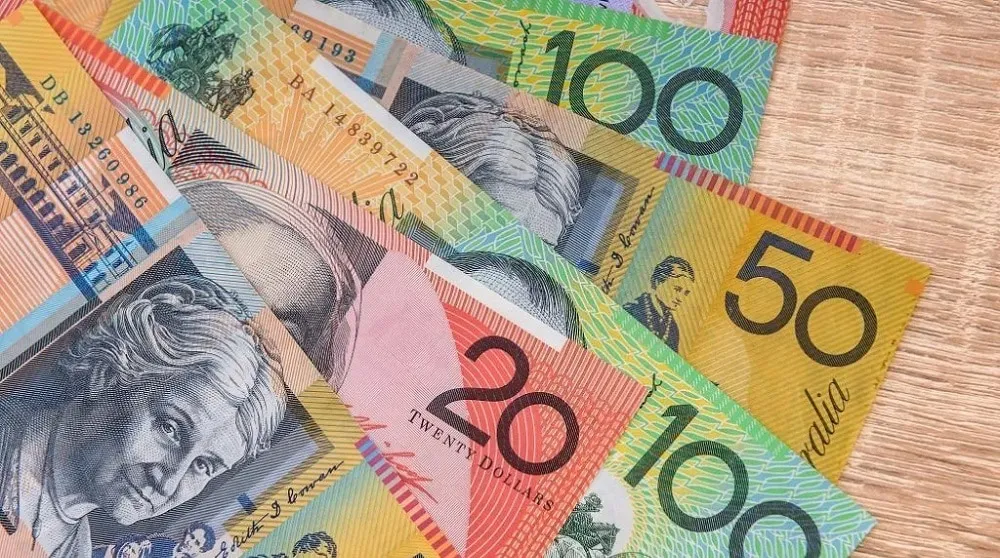
The Pakistani rupee closed in green against the US Dollar for the 281st consecutive day on Thursday, maintaining its long-running upward trajectory in the foreign exchange market. Market participants observed that the domestic currency gained Rs. 1.39 against the Australian Dollar, pushing the rate down below the psychological threshold of Rs. 190. This ongoing streak highlights a period of extended stability for the local currency against major global counterparts, keeping traders and economists closely focused on daily currency movements.
During the same trading session, the Pakistani rupee closed at 276.61 after gaining one paisa against the US Dollar. Official market records indicate that the domestic currency has consistently reported gains against the greenback since December 25, 2025. Such a prolonged sequence of incremental gains remains a notable feature of the current financial cycle, reflecting specific monetary conditions and intervention strategies managed by central financial authorities.
Understanding the Performance of the Pakistani Rupee
The uninterrupted appreciation of the Pakistani rupee against the US Dollar over hundreds of sessions represents an unusual phenomenon in modern emerging market economics. Currency valuations typically fluctuate based on trade balances, capital flows, foreign exchange reserves, and inflation differentials. The sustained stability and minor daily gains seen since late December 2025 point toward tight control over monetary aggregates and steady inflows supporting the official exchange rate.
For ordinary citizens, a stable or strengthening currency theoretically helps control imported inflation, particularly for essential goods like fuel and food items. However, exporters often express concerns that a continuously strong local currency might reduce the international competitiveness of domestic products. Balancing these competing economic pressures requires careful coordination between fiscal policy and central bank oversight.
How Other Major Currencies Performed Against the Rupee
Beyond the US Dollar and the Australian Dollar, the Pakistani rupee recorded notable movements against several other international currencies during the Thursday trading session. The rupee gained Rs. 1.42 against the British Pound, reflecting weakness in sterling across global markets. Similarly, the domestic currency gained Rs. 1.5 against the Euro, indicating broader European currency softening.
Regional and North American currencies also shifted against the local unit. The rupee gained 52 paisas against the Canadian Dollar. Meanwhile, the domestic currency remained stable against both the UAE Dirham and the Saudi Riyal, maintaining fixed parity expectations associated with Gulf peg arrangements.
Detailed Breakdown of Recent Exchange Rates
A review of the official exchange rate table provides a clearer picture of how various currencies shifted between November 6, 2026, and November 12, 2026. On November 6, 2026, the US Dollar stood at 276.6609, moving gradually to 276.6137 by November 12, 2026, marking a small change of 0.0077. The Euro moved from 309.5006 down to 306.7784 over the same timeframe, recording a change of 1.5023.
The British Pound followed a similar downward path against the rupee, starting at 370.6288 on November 6, 2026, and settling at 367.0940 by November 12, 2026, for a change of 1.4210. The Australian Dollar moved from 190.1905 on November 6, 2026, down to 188.6782 on November 12, 2026, reflecting the notable drop of 1.3884 that brought it below the Rs. 190 mark.
Regional Currencies and Stability in Gulf Dinars and Riyals
Other currencies tracked by the central reporting mechanism showed varied trends during early November 2026. The Malaysian Ringgit moved from 68.2271 on November 6, 2026, to 67.7643 by November 12, 2026, registering a change of 0.1016. The Chinese Yuan stayed remarkably steady, moving from 41.4796 to 41.4791 with a minor negative change of -0.0076 over the same days.
North American currency trends showed the Canadian Dollar dropping from 196.6318 on November 6, 2026, down to 194.0264 by November 12, 2026, reflecting a change of 0.5240. Middle Eastern currencies tied closely to trade remittances showed minimal variance. The UAE Dirham shifted from 75.3229 to 75.3141, while the Saudi Riyal moved slightly from 73.7074 to 73.7047, demonstrating the steady nature of expatriate remittance corridors.
Economic Impact of Australian Dollar and Sterling Declines
The drop in the Australian Dollar below Rs. 190 carries implications for bilateral trade and educational expenses for students studying abroad. When foreign currencies like the Australian Dollar, British Pound, and Euro depreciate against the Pakistani rupee, local importers and students paying foreign tuition fees experience lower costs in domestic currency terms. This dynamic can temporarily ease pressure on household budgets for families supporting relatives overseas.
At the same time, fluctuations in cross rates between the US Dollar and other major global currencies dictate the exact rupee value for non-dollar transactions. Because international commodities are traditionally priced in US Dollars, the 281-day winning streak against the greenback remains the primary anchor influencing domestic inflation expectations and market sentiment across the country.