Norovirus Cases Rise Sharply Across the Country
Winter sickness has arrived as laboratory data shows a notable increase in common stomach bugs circulating through communities. Norovirus cases have shot up by 40 per cent in a two-week period, though public health authorities note that the increase remains within expected seasonal parameters. Health agencies monitor these winter illnesses closely as colder weather sets in and indoor gatherings become more frequent.
Meanwhile, another vomiting and diarrhoea bug that primarily strikes kids has surged, with cases 25 per cent higher than what is usually seen at this time of year. Known as rotavirus, the infection is very common in babies and young children and spreads easily between individuals. It can cause severe, watery diarrhoea, vomiting, fever and loss of appetite among vulnerable young populations.
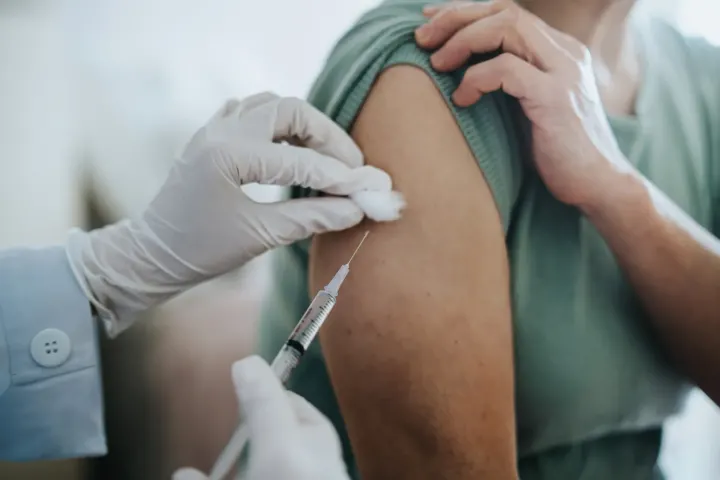
Babies are usually vaccinated against rotavirus, as they may require hospital treatment for dangerous dehydration if the infection becomes severe. The UK Health Security Agency said 72 rotavirus cases were recorded in the two weeks leading up to November 8. This was nearly 6 per cent higher than the 68 positive laboratory tests recorded in the previous two week period, and 25 per cent higher than the average number of cases typically seen at this time of year.
Understanding the Winter Vomiting Bug Trend
More norovirus cases were reported during the same monitoring window, though these remained within expected levels, according to the UK Health Security Agency. There were 257 positive lab tests indicating norovirus between October 26 and November 8. This was 40.4 per cent higher than the 183 cases recorded during the previous two weeks.
Despite the sharp upward trajectory, the current count was still almost 9 per cent lower than the average of 282 cases typically seen in early November. Norovirus is known as the winter vomiting bug as it tends to surge as the weather gets colder, peaking in December or January. That is because colder temperatures encourage people to socialise indoors, creating the perfect conditions for the virus to spread rapidly.
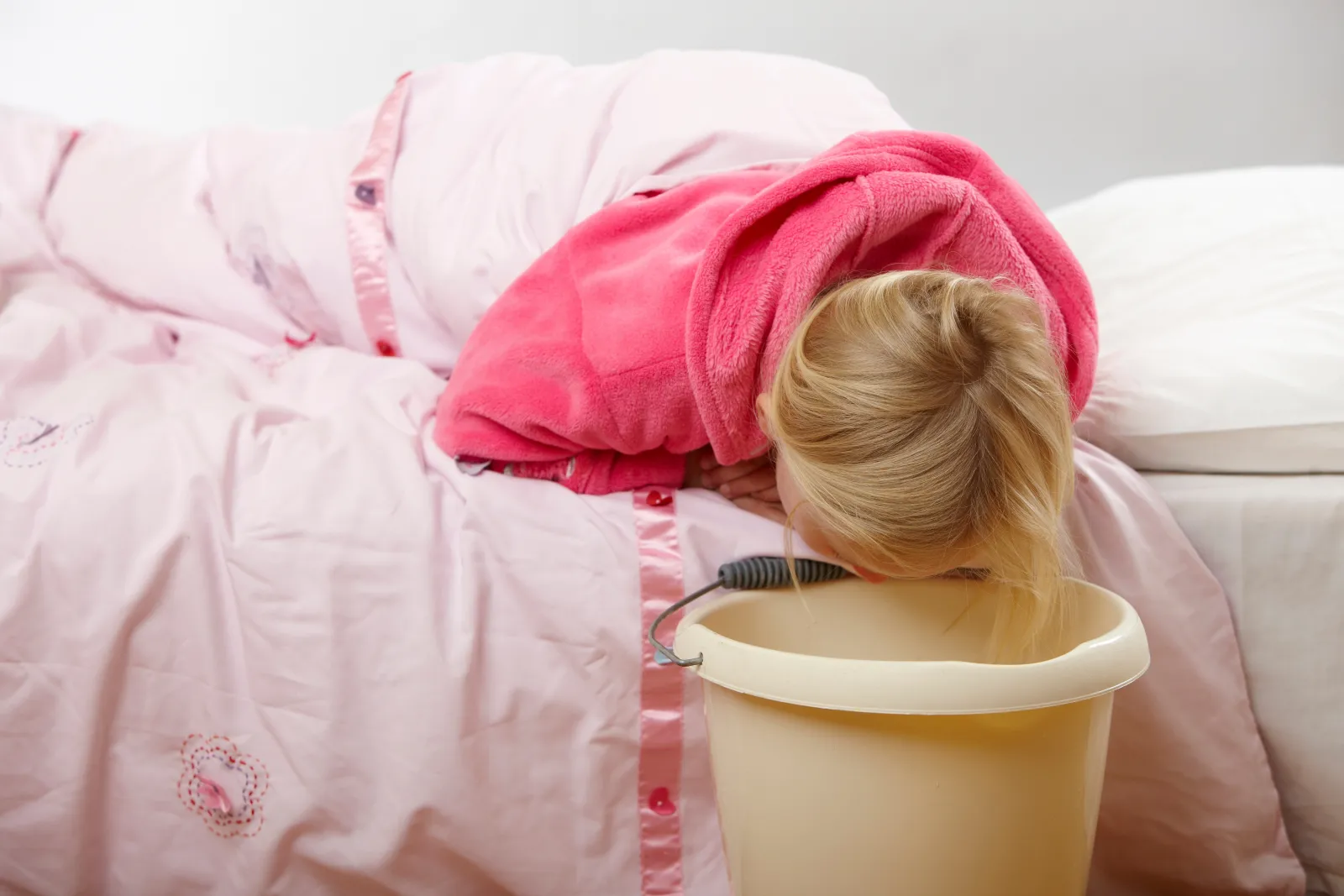
The typical symptoms of norovirus include sudden onset diarrhoea and projectile vomiting. People may also experience stomach cramps, a headache, aching limbs and, in some cases, a mild fever. Symptoms last about two or three days and can be treated at home with rest and drinking plenty of fluids to stay hydrated.
Who Is Most at Risk From Severe Illness
While healthy adults usually recover from norovirus without medical intervention, some people might need medical treatment if they get severely dehydrated or they are more at risk from severe illness. This includes babies, young children, older people and those with compromised immune systems who cannot fight off the infection easily. Health authorities advise staying away from public spaces while symptomatic to prevent further transmission.
Outbreaks of norovirus are particularly common in spaces where people remain in close contact with one another for long periods of time, such as hospitals, care homes, schools and cruise ships. Norovirus can survive on surfaces for days or weeks, which is why the virus spreads so easily through communities. That is why it is important to properly clean and disinfect contaminated surfaces using a bleach-based solution and wearing disposable gloves where possible.
And as vomiting bugs become more common this winter, making sure you and your family maintain good hand hygiene is very important. This means washing your hands frequently and thoroughly with soap and warm water, particularly after using the toilet, before eating or preparing food, and after cleaning up vomit or diarrhoea. Take note that alcohol-based hand sanitisers do not kill norovirus, making soap and water essential.
How to Treat D and V Bugs and When to Seek Help
If you have contracted norovirus, health guidelines recommend staying at home and resting until you recover fully. Do not return to work or send children to school until 48 hours after the symptoms have stopped entirely. Do not visit your general practitioner or hospital while symptomatic. If you are concerned about your symptoms, talk to your doctor by phone, contact NHS 111 or visit the NHS norovirus webpage.
Drink plenty of fluids to prevent dehydration from vomiting and diarrhoea. Avoid cooking and helping to prepare meals for others until 48 hours after symptoms have stopped, as norovirus can be spread easily through contaminated food. It is important to wash hands regularly and clean, wash or disinfect thoroughly any contaminated items or surfaces such as clothes, bedding, toilets, taps and door handles.
You might need to speak to a doctor if you are worried about your baby who is younger than 12 months old, or if your child stops breast or bottle feeding while they are ill. Other reasons to seek advice include thinking your child under five might be dehydrated, indicated by fewer wet nappies, or if you have used rehydration sachets but still show signs of dehydration. Contact a professional if you or your child keep being sick and cannot keep fluids down, have bloody diarrhoea or start bleeding from the bottom, or have diarrhoea for more than seven days or vomiting for more than two days.
Recognising Urgent Warning Signs
Certain symptoms require immediate medical attention to prevent dangerous complications. If you spot blood in your vomit, or vomit that looks like ground coffee, urgent care is vital. Other red flag symptoms include green vomit in adults or yellow-green vomit in children, a stiff neck, and pain when looking at bright lights.
A sudden, severe headache or stomach ache should also be treated as an emergency. As for rotavirus, protect your child by making sure they get the protective vaccine. Babies are given two doses of the rotavirus vaccine as part of the NHS vaccination schedule when they are eight and 12 weeks old. If your baby has missed their rotavirus vaccinations, contact their general practitioner surgery to arrange catch-up doses.