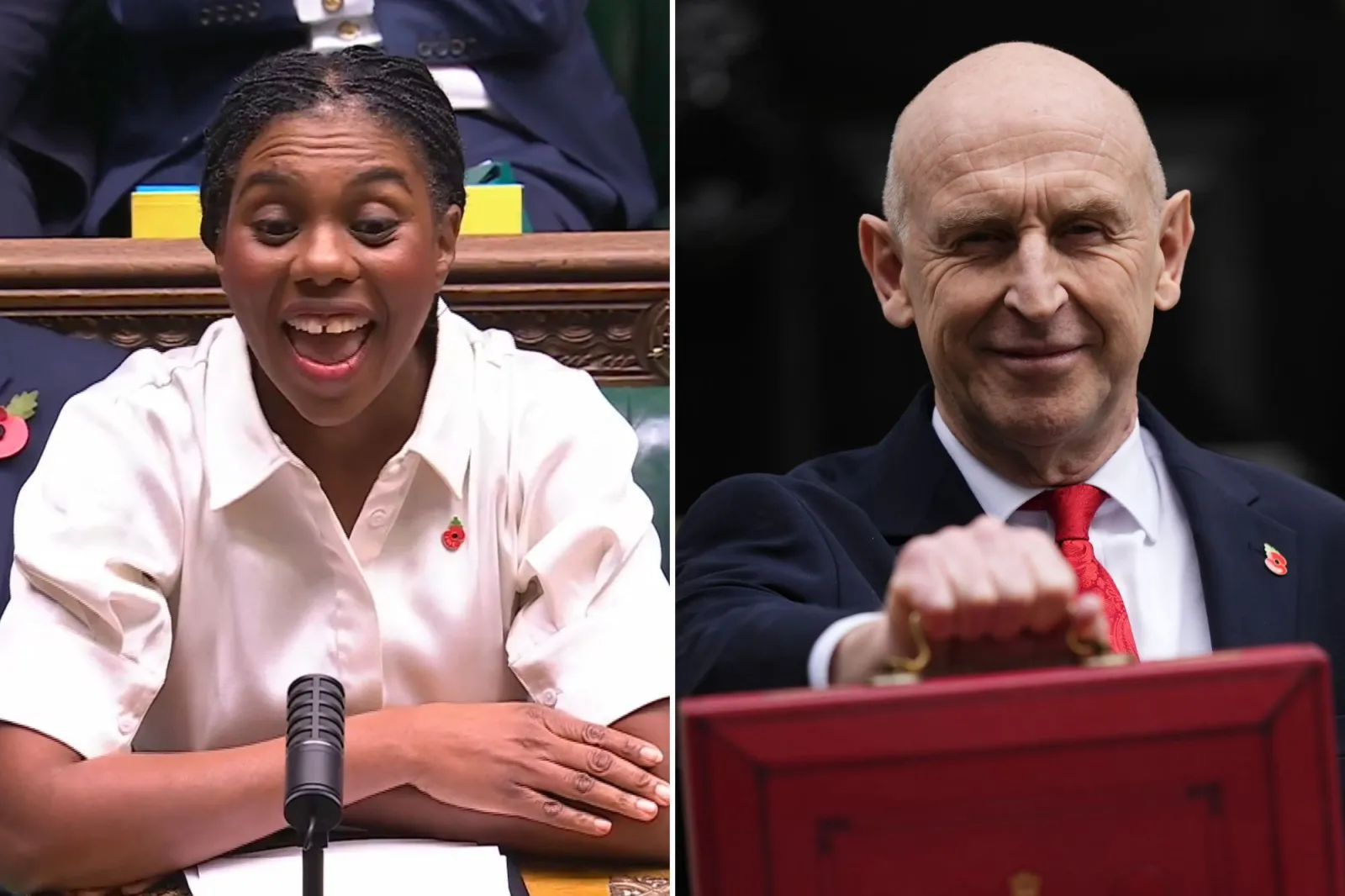
Chancellor John Healey has left a £49bn "black hole" in the budget, according to Conservative MP Kemi Badenoch, who says taxpayers will have to fill the gap.
The opposition leader argues Labour will need to impose a £1,700 annual charge on households to fund its promises.
Badenoch said the Chancellor has not explained how the government will meet the defence target of three per cent of GDP.
She projected an £11bn deficit by 2030-31, coinciding with the Defence Secretary's warning that the nation must be prepared for war within 1,000 days.
According to her, the National Care Service would cost about £17bn, while council house building plans would require £4bn.
The government would also need an additional £17bn to avoid unrealistic real-terms cuts, she added.
"The worst is yet to come," she wrote in The Telegraph.
"Alongside Labour's current plans, expensive proposals like a National Care Service and more council housing create a £49bn black hole at the heart of the public finances after this Budget.
"Who's going to pay for it?"
"The Prime Minister gave the game away on Friday when he said he would have written the 2024 manifesto differently," she said.
The budget is under growing scrutiny after Healey promised it was for "working people".
Despite pledging "breathing space" for families, several policies have already shown strain.
The Office for Budget Responsibility noted that many major points could not be fully quantified because policy details remain unsettled.
It said the fiscal cost of a National Care Service would depend heavily on its final design.
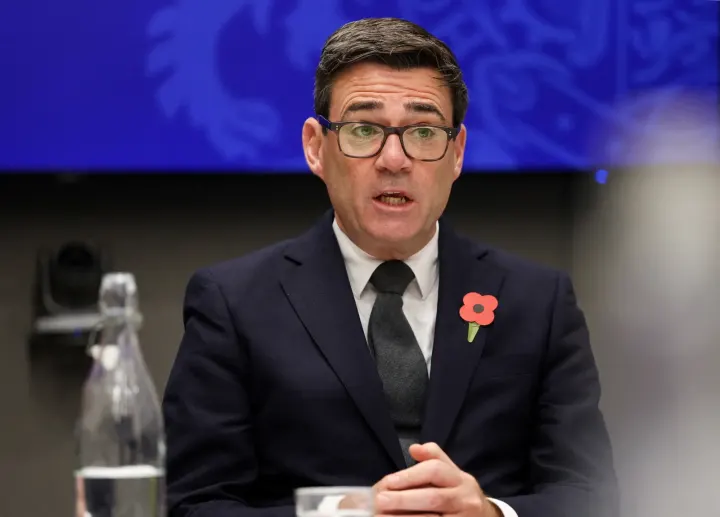
The new adult social-care model, backed by Andy Burnham, could range from £3.5bn to £17bn a year, the OBR claimed.
The prime minister had earlier said he would fund the service by cutting the triple pension lock, but the Tories remain unconvinced.
"Andy Burnham doesn't have a plan to fund defence or control welfare spending. He only says he plans to get a plan at some point," Badenoch said.
To launch the biggest post-war council-housing programme, Labour would need an extra £3bn on top of a yearly £4bn operating cost.
The Institute for Fiscal Studies said the government would need a further £28bn to absorb departmental pressures, including the £11bn defence spend.
The research body also doubted Labour's commitment to real-terms cuts.
Healey avoided cutting the growing welfare bill in his budget, later admitting any reduction would wait until the next general election.
The OBR forecasts welfare spending rising from £314.8bn in 2024-25 to £406.9bn in 2030-31, or 11.2% of GDP.
Frozen income-tax and NIC thresholds could eliminate 215,000 jobs, the OBR warned.
Shadow chancellor Andrew Griffith said, "Britain is facing a fiscal cliff edge. Yet Andy Burnham has decided now is the time to open up another huge black hole in our country's finances.
"We will all pay the price for it, with higher taxes and ever-higher borrowing. Instead of using the Budget to get a grip, Labour have kicked the can down the road yet again."
A Treasury spokesman dismissed the Conservative claims as "fiction" and said the budget meets fiscal rules, fully funds defence and puts borrowing on a downward path, adding that careful management has given Britain breathing space on living and business costs.