UK Foreign Secretary Andy Burnham arrived in Antigua on the eve of the Commonwealth summit with a diplomatic dilemma: he has signalled Britain's willingness to issue a formal apology for its role in the trans-Atlantic slave trade, yet he has categorically ruled out any financial reparations.
The move has ignited sharp criticism from Caribbean leaders, who argue that an apology without concrete reparative measures falls short of the moral responsibility Britain bears for centuries of exploitation.
What Burnham Said About an Apology and Reparations
During a press briefing in London, Burnham announced that the United Kingdom is prepared to "open the door to a formal apology for Britain's role in the slave trade". He added that while the government acknowledges historic wrongs, it "firmly ruled out paying a penny in reparations".
His remarks were intended to signal a willingness to confront the past without committing public finances to compensation, a stance that aligns with the UK Treasury's long-standing position on reparations claims.
Caribbean Leaders Demand More Than Words
St Lucia's Prime Minister Philip J Pierre responded swiftly, warning that "an apology without repair is incomplete". Pierre's statement underscores a broader sentiment among Caribbean nations that symbolic gestures must be paired with tangible support.
Other leaders echoed this view, suggesting that Britain's offer of debt-renegotiation assistance may not meet the needs of poorer Commonwealth members. Many Caribbean states, burdened by high external debt, do not qualify for the proposed aid under existing criteria.
Political Pushback Within Britain
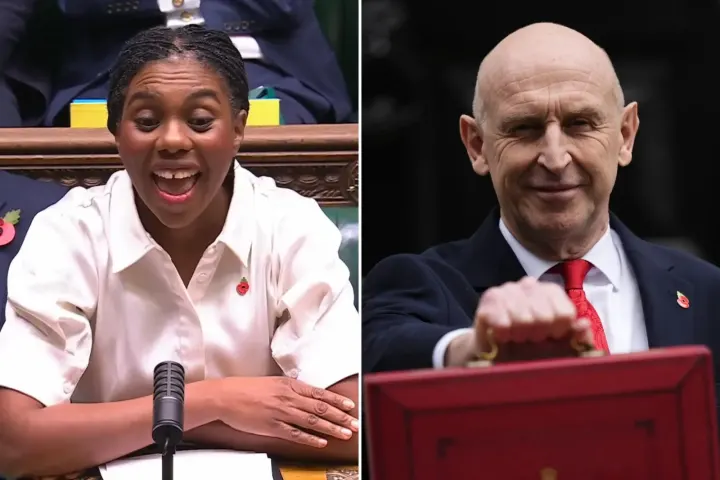
Back in the UK, Conservative MP Kemi Badenoch criticised Burnham's approach, labeling him as Britain's "chief apologiser". She warned that the foreign secretary's intervention could make Britain appear weak on the global stage.
Badenoch also raised concerns about the pressure on King Charles, who is scheduled to address Commonwealth leaders on Tuesday. The monarch's speech is expected to touch on themes of unity, shared history, and the future of the Commonwealth, making the timing of Burnham's statements particularly sensitive.
Historical Context of the Slave Trade Apology Debate
The United Kingdom was a leading participant in the trans-Atlantic slave trade from the 16th to the 19th centuries, transporting an estimated 3 million enslaved Africans to the Americas. In 2007, the British government formally apologized for its role in the slave trade, a move that was welcomed but also seen as insufficient by many descendant communities.
Since then, calls for reparations have grown, with Caribbean nations and diaspora groups demanding financial compensation, development aid, or debt forgiveness as redress for the economic legacy of slavery.
How Debt-Renegotiation Assistance Is Supposed to Work
The UK's alternative proposal involves helping poorer Commonwealth countries renegotiate existing debt with private creditors and multilateral lenders. The aim is to reduce debt service payments, freeing up resources for health, education, and climate resilience.
However, eligibility criteria typically require a country to demonstrate fiscal sustainability and a track record of structural reforms. Several Caribbean economies, still recovering from natural disasters and the COVID-19 pandemic, may not meet these thresholds, limiting the practical impact of the offer.
Potential Impact on Commonwealth Relations
If Caribbean leaders perceive the apology as hollow, it could strain the UK's diplomatic relations within the Commonwealth, an association of 56 member states that relies on mutual respect and shared values.
Conversely, a well-crafted apology that acknowledges specific harms and outlines a clear roadmap for future cooperation could restore goodwill and strengthen the UK's influence in the region.
What Comes Next at the Antigua Summit
During the summit, Burnham is expected to meet with Caribbean heads of government to discuss the apology wording, the scope of debt-renegotiation assistance, and any additional support mechanisms.
The Commonwealth leaders' meeting will also feature King Charles's address, which may reference the UK's historical responsibilities and the importance of collective action on climate change and economic development.
Observers note that any concrete commitments will likely be recorded in a joint communiqué, though the exact language remains under negotiation.
Practical Takeaways for Readers
- British taxpayers will not face a new levy for slavery reparations, as the government has ruled out financial compensation.
- Caribbean nations may still benefit from debt-renegotiation assistance, but eligibility will depend on meeting existing fiscal criteria.
- The upcoming Commonwealth summit will be the first forum where the UK's apology is formally presented and debated.
Stakeholders, including NGOs, academic experts, and diaspora groups, are advised to monitor the summit's final communiqué for any commitments beyond the apology, such as development aid packages or technical assistance programmes.