Karachi Metropolitan Corporation Launches Rs. 13 Billion Road Rehabilitation Plan
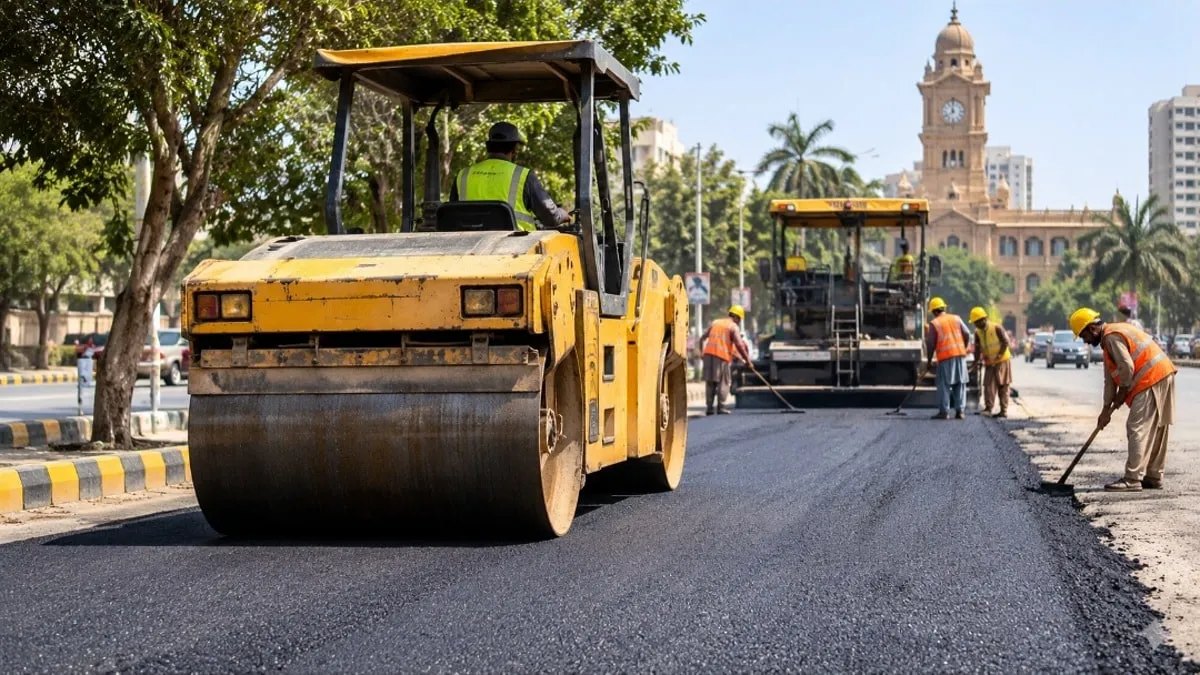
The Karachi Metropolitan Corporation will begin rehabilitation work on approximately 140 more roads across the city within the next few days under a Rs. 13 billion development plan. This massive urban renewal initiative aims to address decades of infrastructure decay, pothole-ridden streets, and deteriorating transportation corridors that affect millions of daily commuters in Pakistan's largest financial hub. Municipal authorities have spent months preparing the administrative groundwork, finalising contractor selections, and securing financial allocations to ensure the projects can move forward without bureaucratic delays.
Karachi Mayor Barrister Murtaza Wahab announced on Monday that the corporation had completed the tendering process and would issue work orders within two to three days. Construction is expected to begin by the end of this week. The rapid mobilization of heavy machinery and engineering crews marks a critical phase in municipal governance, transitioning from planning phases into physical construction across multiple urban zones simultaneously.
Addressing Infrastructure Decay Across All Seven Districts
Addressing a press conference at the KMC Head Office, Wahab said the road rehabilitation projects would cover all seven districts of Karachi and proceed without political discrimination. Urban planners and local residents have long criticized municipal administrations for prioritizing specific affluent neighborhoods while neglecting working-class districts, making the geographic scope of this project a major point of public interest. By distributing the development funds equitably, the corporation intends to upgrade arterial roads, secondary connectors, and neighborhood thoroughfares in every corner of the metropolis.
The seven districts of Karachi, which include South, East, West, Central, Korangi, Malir, and Keamari, house a population exceeding twenty million residents. Each of these administrative divisions suffers from unique infrastructural bottlenecks, ranging from heavy freight truck damage near industrial zones to monsoon waterlogging destruction in low-lying residential sectors. City engineers have mapped out the most severely damaged corridors to ensure that the Rs. 13 billion fund yields immediate relief for daily traffic congestion and vehicle wear and tear.
Financial Allocations and Local Government Budgets
He said the local government had allocated between Rs. 68 billion and Rs. 70 billion for development projects at the beginning of the current financial year and was working to fulfill its commitments. This substantial financial envelope represents the broader fiscal strategy of the municipal administration to fund public works through a combination of local revenue collection, provincial grants, and development sector partnerships. Transparent budgeting remains a central pillar of these public announcements, as citizens demand accountability for tax revenues collected within the metropolitan boundaries.
The mayor said the KMC was taking practical steps to improve Karachi's infrastructure and public services rather than making excuses about limited powers and resources. Local government bodies in Pakistan often face jurisdictional friction with provincial authorities and cantonment boards, leading to administrative standstills. By asserting direct municipal capability and pushing financial resources straight into physical construction, the administration seeks to demonstrate effective governance and service delivery under existing legal frameworks.
Expanding Existing Road Improvement Projects
The upcoming rehabilitation work will add to several road improvement projects already underway across the city. The KMC plans to use the Rs. 13 billion allocation to improve road conditions and address infrastructure problems in different areas of Karachi. These ongoing initiatives include patching arterial highways, repairing stormwater drain networks running alongside major roads, and resurfacing asphalt layers that melted or washed away during previous monsoon seasons.
Coordinating 140 simultaneous construction sites requires rigorous traffic management plans to prevent total gridlock in a city already notorious for traffic congestion. Municipal traffic engineers are working alongside local law enforcement agencies to establish alternate routes, diversion schedules, and night-shift construction protocols. These measures will minimize disruption for public transport operators, commercial delivery vehicles, and private motorists navigating the active work zones over the coming months.
What the Rs. 13 Billion Project Means for Commuters
For millions of daily commuters, commercial truck drivers, and public transport operators, the physical condition of Karachi's road network dictates economic productivity and daily quality of life. Broken asphalt, exposed reinforcement bars, and unpaved shoulders damage vehicle suspensions, increase fuel consumption, and stretch travel times across the metropolitan area. Upgrading 140 roads simultaneously is expected to smooth out transit bottlenecks, reduce vehicle maintenance expenses for working families, and improve overall road safety.
Businesses operating in industrial zones such as Korangi, SITE, and North Karachi will also benefit from reliable freight corridors. Goods transportation relies heavily on uninterrupted road connectivity to move raw materials to factories and finished products to shipping ports. As the KMC issues work orders and heavy machinery deploys to these sites this week, industrial stakeholders and ordinary citizens alike will monitor the execution pace to ensure contractors meet engineering standards and completion deadlines.