Pakistan Auto Parts Manufacturers Challenge Government Assessment
Pakistan's auto parts manufacturers have challenged the government's assessment of local production. They have asked Prime Minister Shehbaz Sharif to send an inspection team to Karachi. The Pakistan Association of Automotive Parts and Accessories Manufacturers says local factories produce components worth up to 65% of a vehicle's value. These parts are supplied to international automobile brands assembling vehicles in Pakistan.
In a letter to the prime minister, the association disputed claims that the industry has made little progress in replacing imported components. The group says local manufacturers have developed significant production capabilities over the years. This challenge brings the ongoing debate over industrial self-reliance and import substitution to the forefront of national economic discussions.
The dispute centers on how much of a car is actually built inside Pakistan versus how much relies on foreign supply chains. Automotive assembly requires thousands of distinct pieces, ranging from simple plastic trim to complex electronic control units and heavy metal pressings. By inviting high-level scrutiny, local factories hope to prove their technical competence to federal authorities.
Inside the Port Qasim Industrial Area Facilities
PAAPAM Chairman Abdul Rehman Aijaz has requested an official visit to the Port Qasim Industrial Area in Karachi. The area houses around 40 factories that employ approximately 30,000 workers, technicians, and engineers. These plants form the backbone of the domestic supply chain for major car brands operating within the country.
According to the association, these factories use modern machinery and manufacturing technology. They also produce internationally certified automotive components. PAAPAM wants government officials to inspect these facilities and verify the industry's localization claims firsthand.
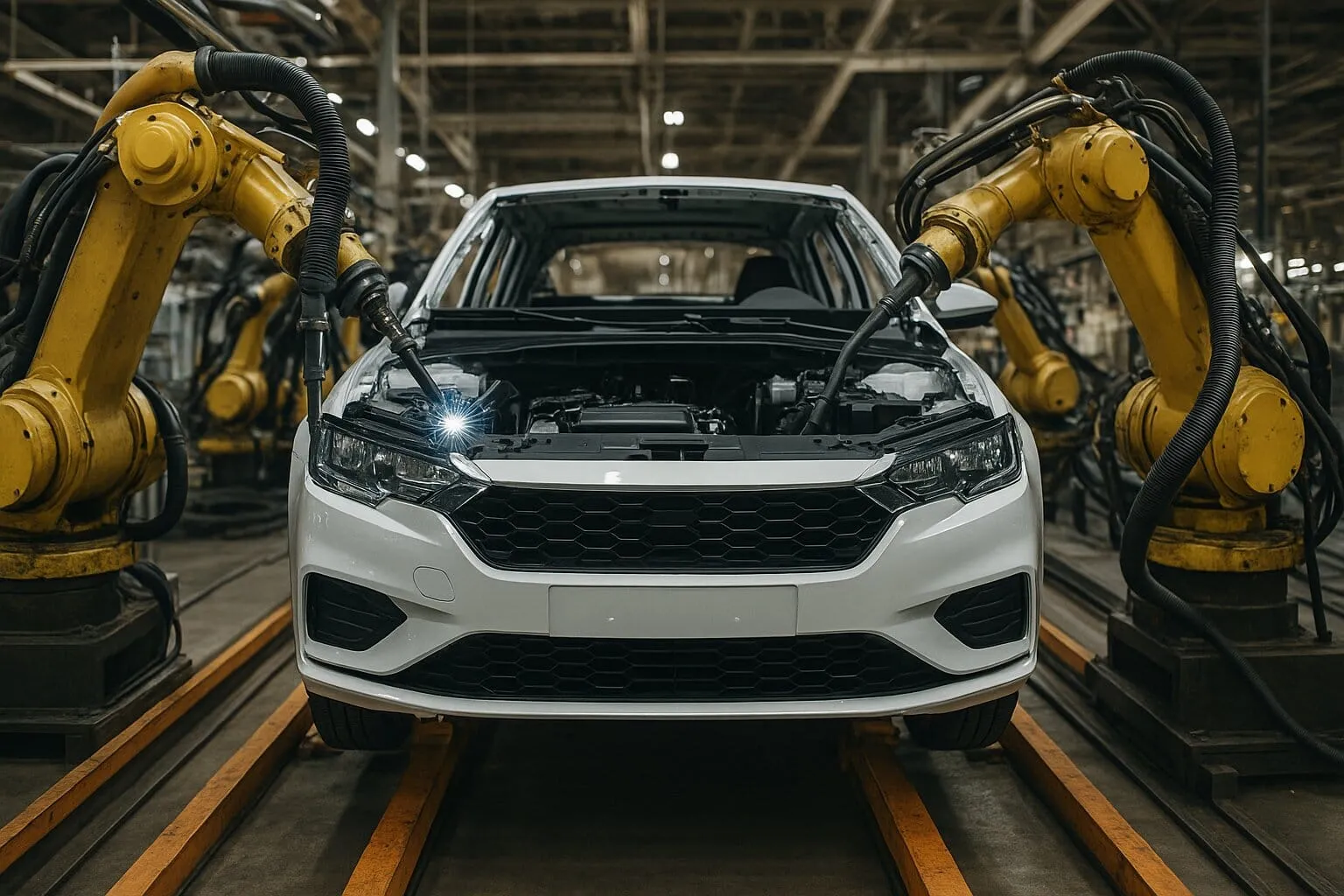
Port Qasim serves as a major industrial hub near the coast, allowing efficient movement of raw materials and finished goods. Workers inside these 40 targeted plants perform precision tasks such as stamping, welding, painting, and quality testing. The high concentration of technical talent makes this cluster vital for the entire engineering sector of Pakistan.
Concerns Surround the Auto and Auto Parts Manufacturing Policy 2026-31
The request comes as the government works on the Auto and Auto Parts Manufacturing Policy 2026-31. However, local manufacturers have raised concerns over some proposals being considered for the new policy. Long-term strategic planning for the automotive sector requires careful balancing between tariff protection and consumer pricing.
PAAPAM has warned that certain measures could threaten domestic auto parts manufacturers. It has urged the government to consult industry representatives before finalizing the policy. The association also wants policymakers to consider existing investments in local manufacturing. These facilities support thousands of jobs and have helped develop technical skills across the industry.
Drafting a five-year framework involves input from various stakeholders, including assemblers, component makers, and government ministries. Past policies often struggled to find the right mix of incentives for local value addition without penalizing buyers through high vehicle costs. The current discussions aim to prevent past mistakes while encouraging export potential.
Strategic Value and Defense Manufacturing Potential
Moreover, PAAPAM has highlighted the sector's potential role in defense manufacturing. It believes automotive engineering capabilities could support other strategic industries. Therefore, protecting the existing manufacturing base could benefit the wider economy.
Precision engineering acquired through automotive production translates well into other heavy manufacturing fields, such as agricultural machinery and defense equipment. Skilled machinists and toolmakers working on car parts can apply similar tolerances to vital national security projects. This dual-use capability gives the parts sector strategic importance beyond commercial vehicle assembly.
Government planners often look at industrial depth when formulating economic security strategies. Maintaining a strong metalworking and electronics base inside the country reduces vulnerability to global supply chain shocks. The Karachi factory cluster represents a pool of industrial knowledge that would take decades to rebuild if lost.
Ongoing Talks and Industry Demands for Balance
Meanwhile, senior auto industry representative Aamir A. Allawala told The News that discussions with the government were ongoing. He said manufacturers were working to ensure the proposed policy benefits both industry and consumers.
"We are holding talks with the government and trying to work towards a policy that is beneficial for industrialists as well as the general public," Aamir A. Allawala said.
He added that the industry wants a balanced policy that addresses manufacturers' concerns. At the same time, it should protect consumer interests and support broader economic needs.
PAAPAM's latest appeal follows earlier objections to proposals under consideration for the five-year automotive policy. However, its demand for an official factory inspection has brought the localisation debate back into focus.
The association believes the government should assess actual production facilities before making policy decisions. It has urged the prime minister to arrange the proposed visit and include manufacturers' concerns in the final policy. Clear verification of local value addition will determine the future direction of tariffs and incentives for vehicle production in Pakistan.