Kia Sportage L Hybrid Price Cut Details
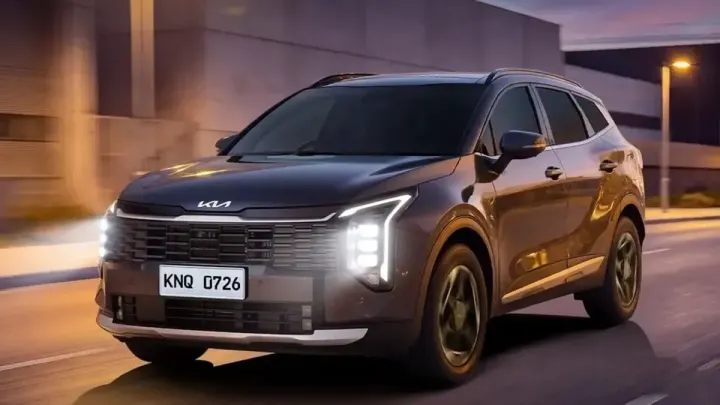
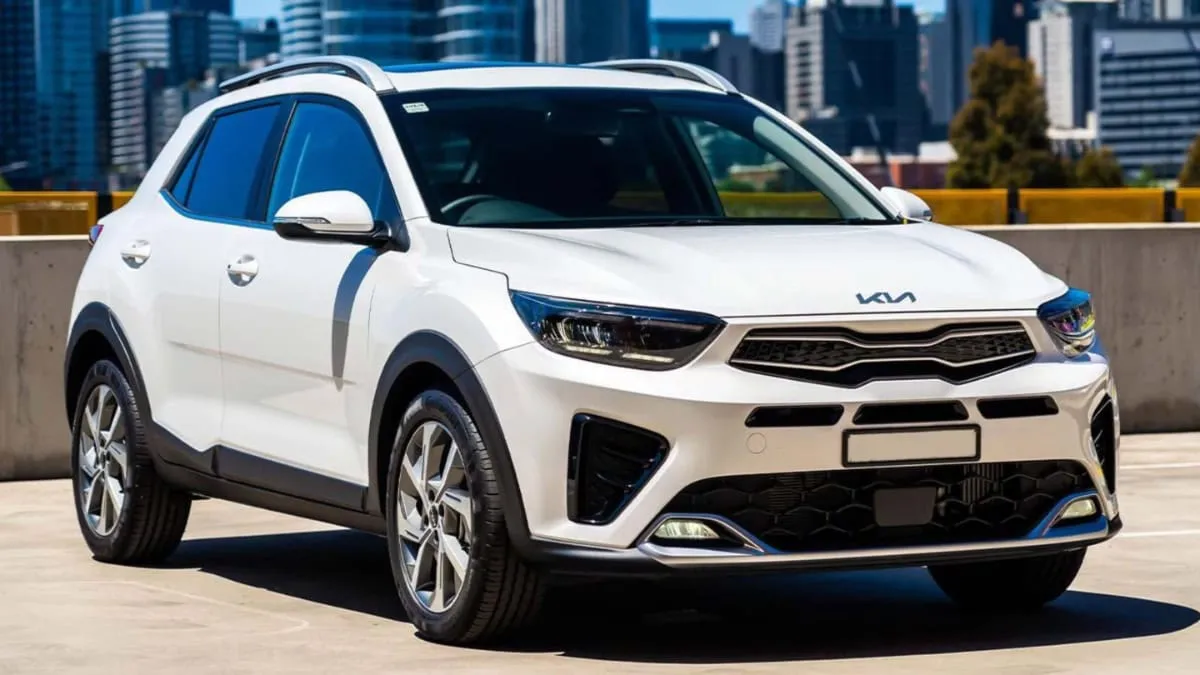
Lucky Motor Corporation has reduced the ex-factory prices of the Kia Sportage L hybrid variants by up to Rs800,000 under a limited-time promotional offer, effective November 3, 2026. This price adjustment arrives as a significant update for prospective buyers looking at the hybrid SUV segment in the country. Automotive pricing strategies often fluctuate based on material costs, local currency evaluations, and market demand, making promotional periods a notable window for consumers.
The specific revisions alter the pricing structure for two primary hybrid variants available in the domestic market. The 1.6T FWD HEV is now priced at Rs11.499 million, down Rs700,000 from Rs12.199 million. Meanwhile, the higher-tier 1.6T AWD HEV is now priced at Rs12.499 million, down Rs800,000 from Rs13.299 million. These adjustments apply directly to the ex-factory vehicle cost before additional logistics or statutory fees are factored into the total purchase price.
Conditions for the Limited-Time Kia Promotion
Securing the promotional rates requires strict adherence to specific booking and payment procedures established by the assembler. The promotional prices apply to all new orders booked in the dealer management system, provided full payment is realized in the bank account of the company by November 30, 2026. Buyers must ensure their transactions are processed correctly within this timeline to benefit from the discount.
Financial transactions must adhere to strict naming conventions to be recognized by the manufacturer. All payments must be made in favor of Lucky Motor Corporation, A/C of Customer Name. Failure to meet these financial realization deadlines or naming rules may result in the forfeiture of the promotional discount, returning the purchase requirement to standard catalog pricing.
Additional Costs and Government Taxes
While the ex-factory price reduction lowers the base cost of the vehicle, buyers must account for several other mandatory expenses associated with vehicle acquisition. The announced ex-factory prices are exclusive of freight and insurance charges, meaning buyers will pay separate fees to transport the vehicle to their respective dealerships and insure it prior to road use.
Tax regulations and state levies also dictate the final amount a consumer pays upon taking possession of a new vehicle. Any new or additional duties, taxes, or charges imposed by the government that lead to a price adjustment and apply at the time of delivery will be borne by the customer. Buyers must remain aware of potential regulatory shifts or fiscal policy updates enacted by federal or provincial authorities that could influence automobile taxation before the final delivery date.
Background of Lucky Motor Corporation and Kia
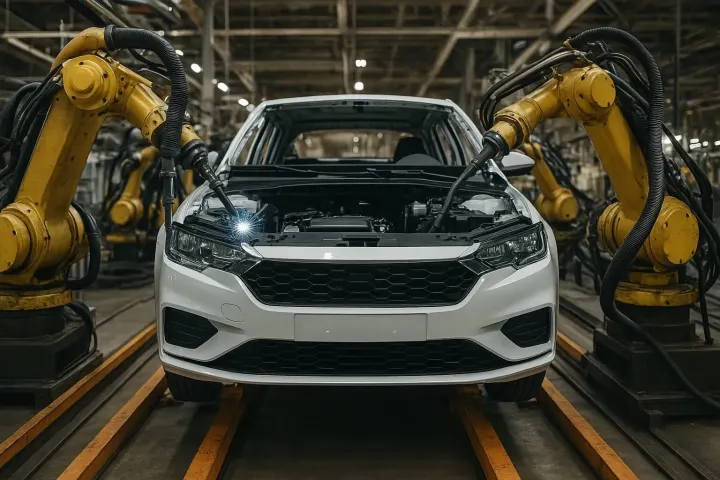
Lucky Motor Corporation operates as a subsidiary of the prominent Lucky Group, managing the production, assembly, and distribution of Kia vehicles in the local market. Since entering the market with modern assembly plants, the company has introduced several global models tailored to domestic consumer preferences. The introduction of hybrid electric vehicles represents a response to global automotive trends favoring reduced emissions and improved fuel efficiency without sacrificing utility.
The assembly operations use advanced manufacturing techniques to meet strict quality control standards set by the parent brand. Dealership networks span major urban centers, providing sales, maintenance, and spare parts support to owners. Price adjustments of this nature typically reflect corporate strategies to stimulate showroom traffic, clear specific production batches, or maintain market competitiveness against rival manufacturers.
Understanding Hybrid Vehicle Technology in SUVs
Hybrid electric vehicles combine an internal combustion engine with an electric motor and a battery pack to optimize energy use. The 1.6-liter turbocharged engine featured in the Sportage L hybrid variants works in tandem with the electric system to deliver responsive acceleration while conserving fuel during stop-and-go driving conditions. Regenerative braking captures kinetic energy normally lost during deceleration, converting it into electrical energy stored in the onboard battery.
For consumers, this technology translates to lower fuel consumption during daily commutes, particularly in dense urban traffic where traditional gasoline engines typically consume more fuel. The integration of front-wheel drive and all-wheel drive options allows buyers to select configurations that match their specific driving needs, whether for standard highway cruising or enhanced traction on varying road surfaces.
Impact on the Automotive Market and Consumers
Price reductions on popular crossover SUVs influence the broader passenger vehicle sector, prompting competitors to evaluate their own pricing and discount structures. Consumers benefit from lower entry barriers when purchasing advanced powertrain technologies, which historically carried a significant price premium over conventional internal combustion models. Prospective buyers evaluating their options have a clear financial incentive to complete transactions before the November deadline.
Businesses using corporate fleets also monitor such promotional offers to update their operational assets at a reduced capital expense. Dealerships typically experience higher foot traffic and inquiry volumes during limited-time discount campaigns, requiring streamlined administrative processes to handle the surge in dealer management system bookings. Careful financial planning remains essential for buyers to navigate freight costs, insurance premiums, and potential tax modifications successfully.