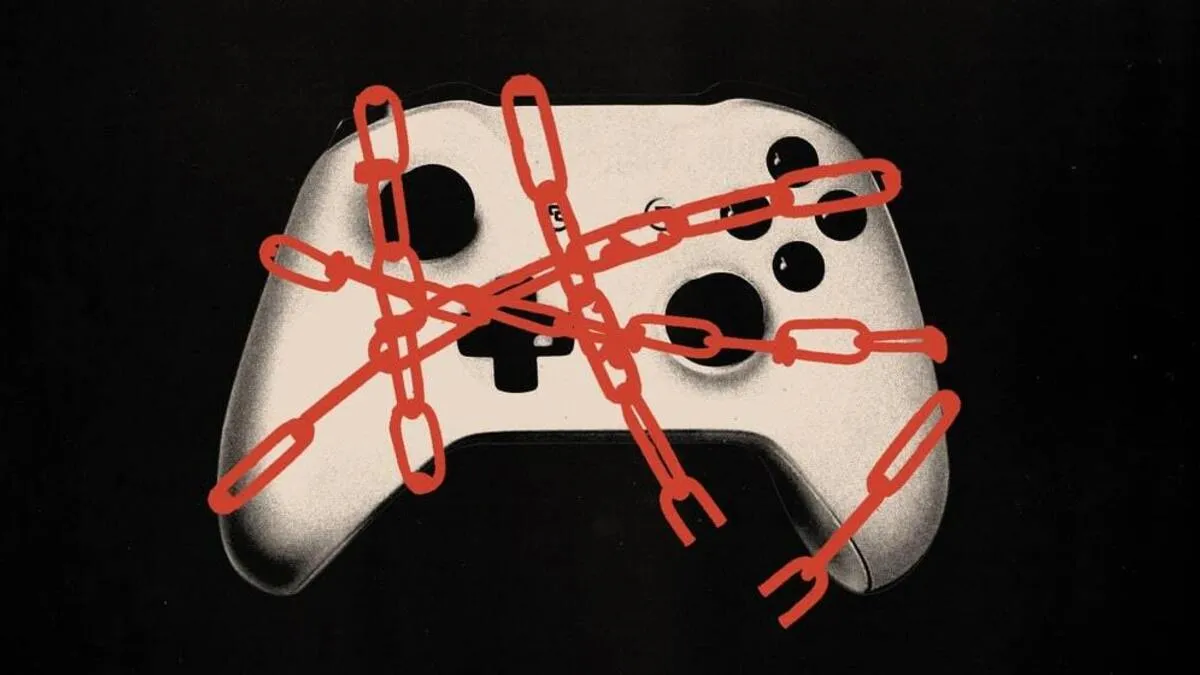
The collaborative reverse-engineering platform decomp.dev is closing its public index and halting new project submissions. The site administrator explained that recent artificial intelligence models have accelerated game decompilation to the point where the original community model no longer functions as intended.
Launched in 2024, decomp.dev was created to monitor matching decompilation projects and assist contributors in working together to reverse-engineer video games.
The pseudonymous administrator, Encounter, stated that it has grown increasingly hard to separate projects driven mainly by humans from those finished largely with artificial intelligence.
New AI Models Have Accelerated Decompilation
Matching decompilation traditionally asked developers to build source code that compiles into the exact same machine code as an original game, a task that could span years.
Encounter mentioned that artificial intelligence started becoming useful with Opus 4.6 and GPT-5.4 in early 2026, though those systems still demanded significant human cleanup.
GPT -6 Astra Changed the Game
Newer models like GPT-6 Astra advanced even further. Encounter noted they excel at following complex instructions, cross-referencing symbols and debug information, writing natural code, and testing multiple source-code variations until finding a match.
These systems also maintain focus on longer tasks while generating faster and cheaper results than older models.
AI Has Disrupted the Community Model
Encounter indicated that artificial intelligence now speeds up decompilation when paired with proper guidance and code review, but it has caused difficulties for open-source projects.
Certain users have forked existing decompilation efforts and used artificial intelligence to finish them, despite original teams rejecting artificial intelligence contributions.
Other individuals have taken existing decompilation work to quickly release game ports without contributing to the underlying reverse-engineering process.
Encounter added that the increasing focus on rapid project completion has undermined decompilation's traditional role as a method for researching and understanding original game construction.
decomp.dev Is Removing Its Public Leaderboard
The platform originally displayed completion percentages to inspire contributors when every small gain required major human effort.
Encounter explained that artificial intelligence turned this system into a numbers race, with participants spending tokens to raise completion percentages or rush out game ports.
Consequently, decomp.dev turned off its main public index and stopped accepting new projects.
The website will keep tracking existing projects, keeping individual project pages active, and preserving historical data.