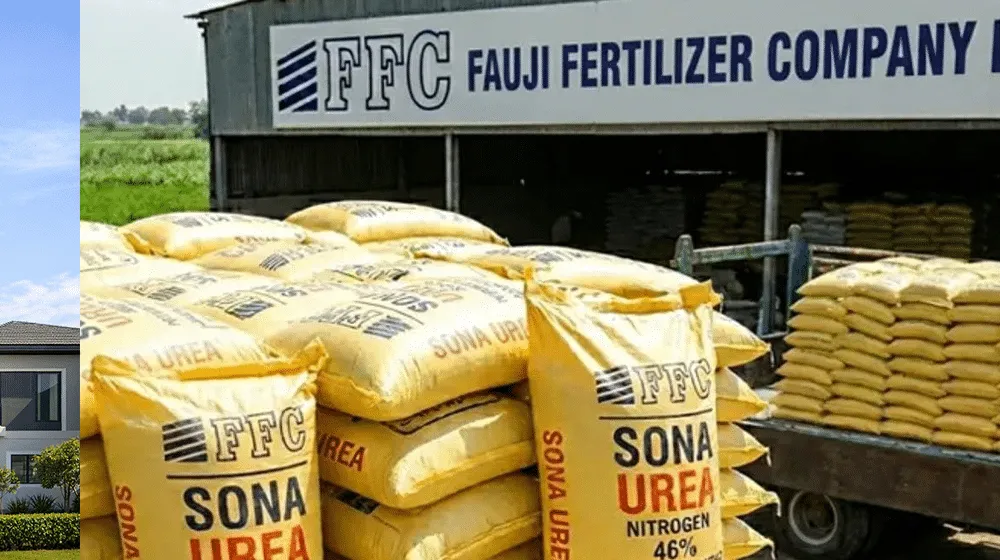
Fauji Fertilizer Company Raises Sona Urea Prices Across Variants
Fauji Fertilizer Company has increased urea prices by Rs. 54 per bag across all Sona Urea variants, following a Rs. 50 per bag increase by Engro Fertilizers a day earlier, according to market research. The latest adjustment highlights ongoing upward pricing trends within the agricultural inputs sector in Pakistan. Farmers and distributors now face higher costs for essential farming materials as manufacturing firms adjust their pricing structures to reflect current economic realities.
The latest increase, reported by Topline Research on November 7, takes the maximum retail price of Sona Urea Prilled to Rs. 4,579 per bag and Sona Urea Granular to Rs. 4,803 per bag. These adjustments directly impact agricultural operational expenses, as fertilizer represents a major cost component for crop production. Industry analysts continue to monitor how these successive price movements will influence purchasing decisions at the farm level during the ongoing agricultural cycle.
Engro and FFC Increase Urea Prices in November
Engro Fertilizers increased its urea price by Rs. 50 per bag on November 6, taking its dealer transfer price to Rs. 4,585 per bag, according to channel checks reported by JS Research. The increase follows an earlier Rs. 150 per bag hike announced by Engro in March 2026. These sequential actions by major market players indicate a coordinated upward trend in fertilizer pricing within a short timeframe.
Engro has maintained its pricing stance throughout the year. In August, the company's management indicated that it had no plans to reduce urea prices or restore discounts, despite higher inventory levels, citing expectations that seasonal demand would help clear stocks. This firm approach to pricing reflects corporate confidence in steady consumption patterns regardless of short-term inventory fluctuations.
Urea Market Expands Across Pakistan
The price increases come amid expanding demand in Pakistan's urea market. According to FFC's third quarter corporate briefing, industry urea sales increased by approximately 5 percent to 4.403 million tons during January to September 2026, compared with 4.205 million tons in the corresponding period last year. This steady growth demonstrates the persistent dependence of domestic agriculture on synthetic fertilizers to maintain crop yields.
FFC's own sales rose 10 percent to 2.160 million tons, increasing its market share to 49 percent from 47 percent. This expansion consolidates the company position as a dominant supplier in the national agricultural sector. The gain in market share occurred even as retail rates faced upward pressure, showing strong customer retention despite rising input costs.
Inventory Levels and Crop Returns in 2026
FFC also reported total industry urea inventory of 649,000 tons as of September 2026, of which 88,000 tons were held by the company. These storage figures show that adequate supplies remain available within the distribution network despite the active sales pace. Manufacturers maintain these reserves to balance seasonal demand spikes and ensure continuous supply to agricultural regions.
Meanwhile, the fertilizer manufacturer noted that farm returns had improved across major crops during 2025 to 2026 but remained below 2022 to 2023 levels. While recent harvest profitability showed recovery, growers still operate under financial constraints compared to earlier peak seasons. The combination of higher input expenses and moderate crop earnings creates complex budgeting challenges for farming communities relying on commercial fertilizers.