How the FBR Digital Cargo Tracking System Works
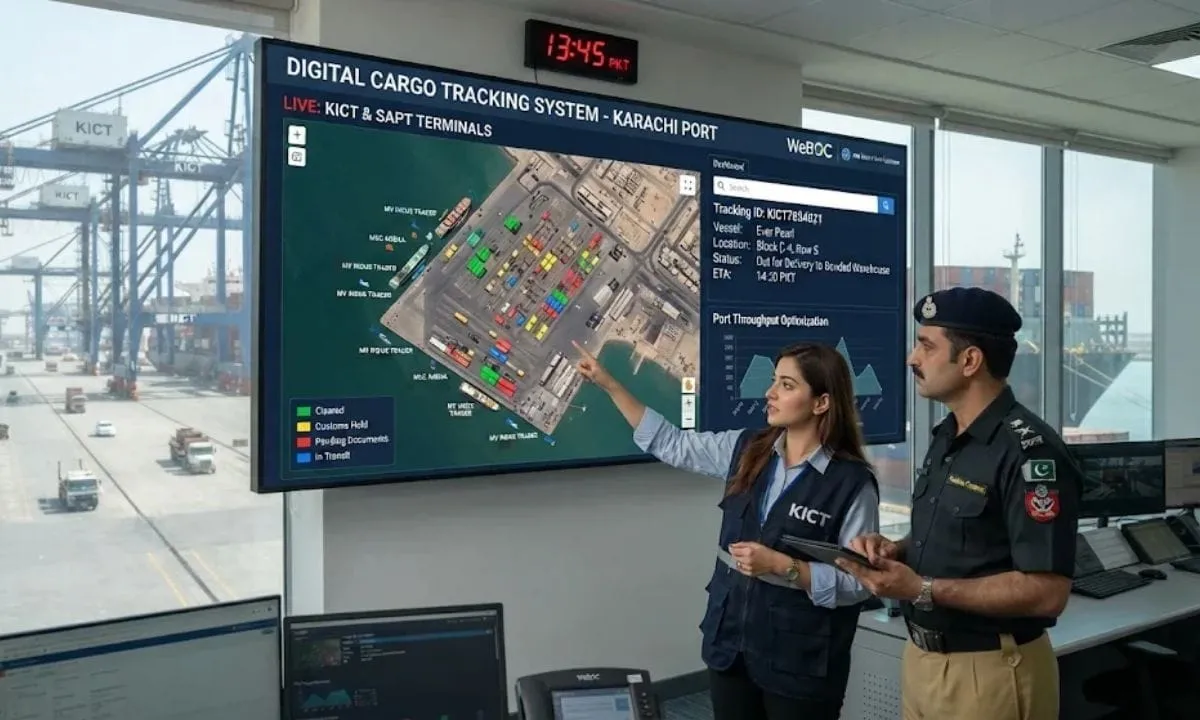
The Federal Board of Revenue is developing a comprehensive cargo tracking system designed to curb the sales tax gap and stop smuggling across the country. This initiative was revealed during a high-level review meeting chaired by Prime Minister Shehbaz Sharif. The platform aims to connect the physical movement of goods to a single digital network, monitoring shipments from the moment of loading until final delivery.
By digitizing transit operations, tax authorities expect to eliminate blind spots where taxable goods currently slip through the regulatory net. The infrastructure will feature an electronic bill of lading, known as an e-bilty, which replaces traditional paper documentation with verifiable digital records. It will also incorporate an automated risk management system to flag suspicious consignments, alongside dedicated field enforcement tools and an analytics dashboard for real-time monitoring.
To ensure seamless coordination between federal authorities and regional governments, a steering committee featuring provincial representation is currently being formed. This body will oversee the rollout and implementation of the tracking network across different jurisdictions. Officials believe that unifying cargo data will drastically reduce opportunities for tax evasion and illegal trade.
Restructuring Sales Tax Zones in Major Cities
Alongside the cargo tracking initiative, tax authorities are restructuring operations to improve revenue recovery in key commercial hubs. Separate sales tax zones are being created within the four major taxpayer units located in Karachi, Lahore, Islamabad, and Multan. This specialized zoning aims to target compliance issues specific to heavy manufacturing and commercial centers.
Data security forms a critical component of this administrative overhaul. Pakistan Revenue Automation Limited has added extra security features to several core software systems to protect sensitive financial data against breaches and tampering. Maintaining data integrity is seen as essential for building trust between taxpayers and the revenue administration.
The institutional changes extend beyond software upgrades and administrative restructuring. The Federal Board of Revenue is opening a new office directly inside the Korangi Industrial Estate in Karachi. This physical presence allows tax officials to deliver services directly to industrialists and business owners without requiring them to visit distant government offices.
Engagement With the Business Community
Recent outreach efforts by tax authorities have focused heavily on bridging the historical divide between regulators and commercial enterprises. The meeting was informed that recent visits by the Federal Board of Revenue chairman to Karachi and Lahore are producing positive results and resolving many long-standing issues raised by the business community.
Prime Minister Shehbaz Sharif expressed strong confidence that these targeted visits and direct meetings with traders and industrialists would generate positive outcomes. He noted that reducing friction between businesses and tax collectors should ultimately support broader economic goals, including trade expansion, higher exports, and increased investment.
Government leaders attending the review session included Deputy Prime Minister Ishaq Dar, Finance Minister Muhammad Aurangzeb, and Economic Affairs Minister Ahad Khan Cheema. Other high-ranking participants consisted of IT and Telecom Minister Shaza Fatima, Petroleum Minister Ali Pervaiz Malik, and Minister of State for Finance Bilal Azhar Kayani, alongside various senior government officials.
Future Outlook for National Tax Reform
The combination of digital cargo tracking and localized administrative zones represents a major push toward modernizing tax collection infrastructure. Authorities are working to ensure that technological upgrades keep pace with commercial realities while closing persistent loopholes in the national revenue stream.
Observers will be watching to see how effectively the new steering committee coordinates provincial enforcement efforts once the cargo tracking network becomes operational. The success of these measures will depend heavily on sustained cooperation between federal administrators, provincial stakeholders, and the wider business community in major industrial centers.