Prime Minister Shehbaz Sharif Orders Faster Rollout of Smart Scanners at All Airports
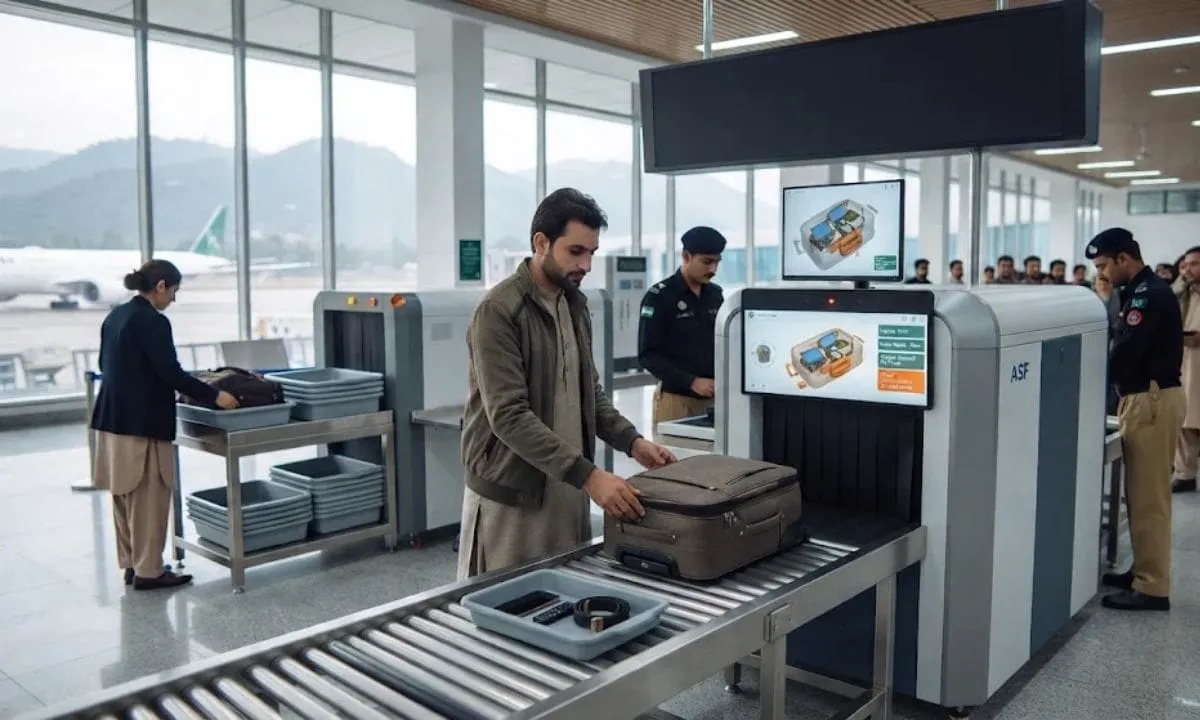
Prime Minister Shehbaz Sharif has ordered the early activation of smart scanning systems at all international airports in Pakistan, as part of a push to speed up customs clearance and immigration. The directive aims to modernise passenger processing infrastructure across the country and reduce wait times for travellers arriving from abroad.
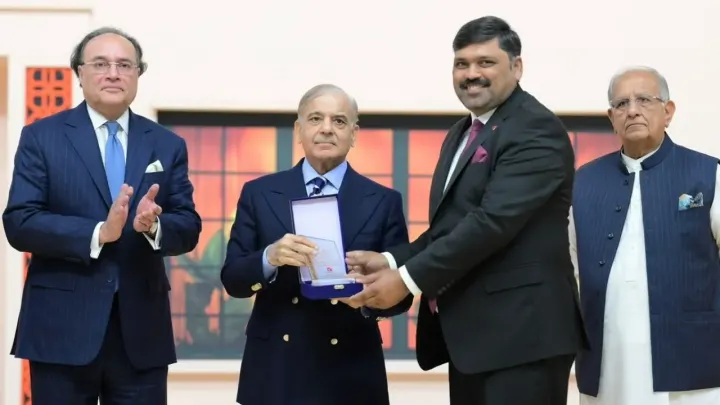
Shehbaz Sharif issued the directive while chairing a weekly review meeting on Federal Board of Revenue affairs, which covered tax collection and the operations of the board. The session brought together key federal ministers and top civil servants to evaluate ongoing administrative reforms and technological upgrades within Pakistan.
How Smart Scanning Systems Will Transform Airport Customs
The meeting was told that the systems are being installed at the major international airports with the help of relevant agencies. Once operational, they will route passengers baggage automatically to either the green or red channel based on automated risk profiling and screening data.
This automated routing reduces human discretion at customs counters and accelerates the flow of travellers through the terminal. Airports handle thousands of international arrivals daily, making efficient baggage sorting a priority for aviation authorities and security agencies alike.
Broader Reforms for Airport Operations and Efficiency
The Prime Minister also instructed the authorities to make other airport operations faster alongside the installation of the new scanners. Streamlining passenger movement involves coordination between immigration staff, airport security forces, and customs personnel to remove bottlenecks in the arrival lounges.
Delays at international airports have long been a source of frustration for overseas Pakistanis and foreign visitors. Faster processing times contribute to a better impression of national transport hubs and improve overall operational standards in the aviation sector.
Modern Cargo Tracking System to Curb Smuggling
Separately, the meeting was informed that work is under way on a modern cargo tracking system. It will connect shipments to a single digital platform from loading to delivery, with the aim of curbing the sales tax gap and smuggling.
Cargo management has historically faced challenges regarding leakage and undocumented trade. A unified digital platform allows customs officials to monitor freight movement in real time and verify tax compliance at every stage of the supply chain.
High-Level Attendance at the Federal Board of Revenue Review
Deputy Prime Minister and Foreign Minister Muhammad Ishaq Dar, Finance and Revenue Minister Muhammad Aurangzeb, Economic Affairs Minister Ahad Khan Cheema, IT and Telecom Minister Shaza Fatima, Petroleum Minister Ali Pervaiz Malik, Minister of State for Finance Bilal Azhar Kayani and senior officials attended the meeting.
The presence of multiple cabinet ministers highlights the cross-sectoral nature of these reforms, touching on finance, information technology, foreign affairs, and trade logistics. Coordination between ministries remains essential for implementing large-scale digital infrastructure projects across national institutions.