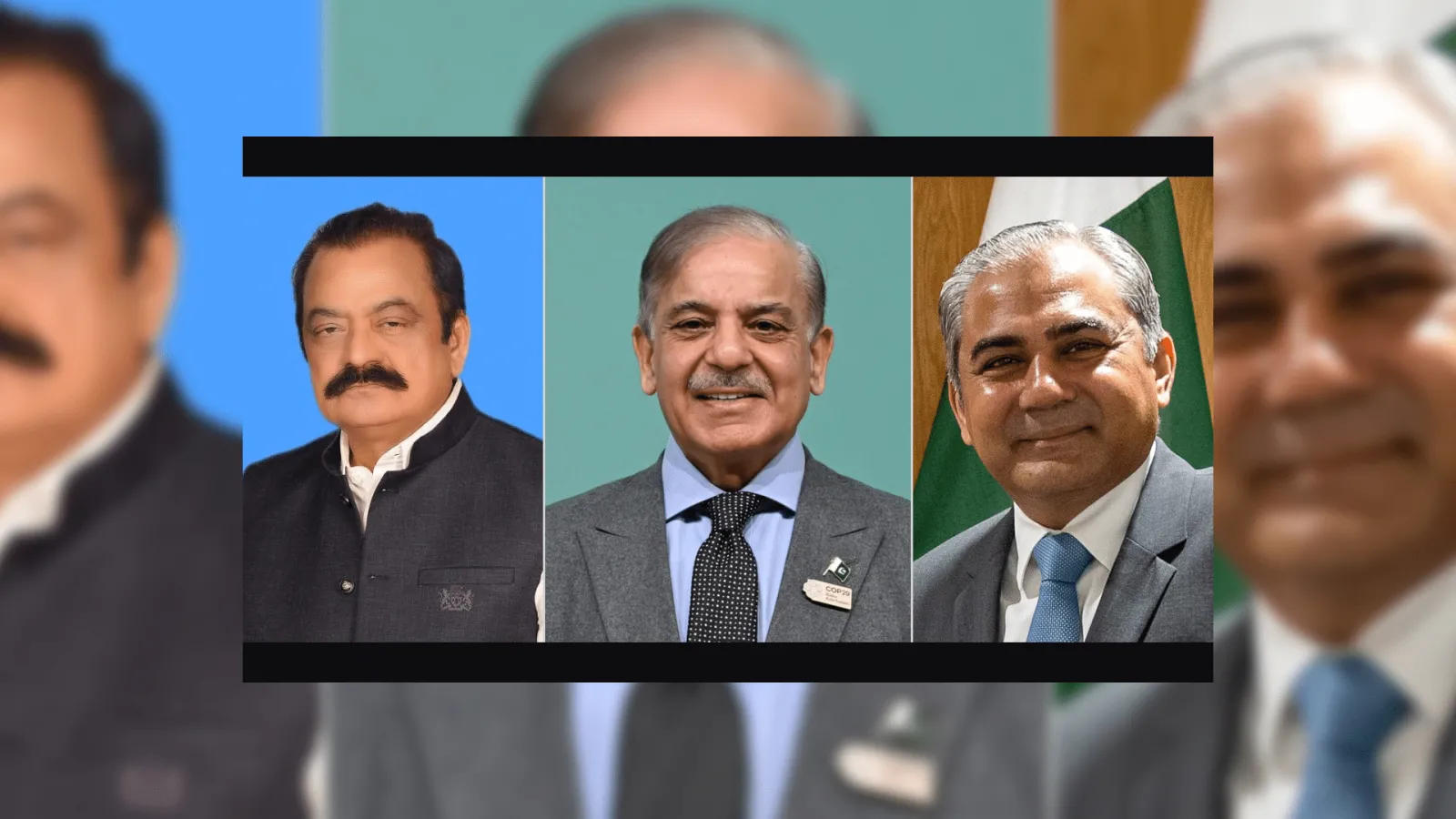
Prime Minister Shehbaz Sharif Issues Strict Warning to Federal Cabinet Members
Prime Minister Shehbaz Sharif has directed all federal cabinet members to immediately stop issuing political statements against each other. The directive was issued following a noticeable increase in public disagreements among high-ranking officials within the government administration.
The Prime Minister took notice of the recent war of words between ministers and said matters among cabinet members should be settled through understanding and consensus. He warned that federal ministers publicly attacking each other creates a negative impression.
Alongside the federal cabinet, he also asked provincial government representatives to avoid such statements and promote positive dialogue. This instruction aims to restore discipline and unity within the broader governmental ranks as officials manage pressing national responsibilities.
Focus on Development, Not Infighting
Shifting the administrative agenda toward governance, PM Shehbaz said political statements distract from the politics of development. He said federal ministers are doing good work, and their focus should remain on public service.
He added that the federal government is fully focused on public welfare projects and is moving from economic stability towards sustainable growth. It is everyone's duty to play their full role in ensuring political stability, he said, emphasizing that internal disputes obstruct the broader economic mission.
The directive comes after a public spat between Interior Minister Mohsin Naqvi and Adviser to the PM on Political Affairs Rana Sanaullah over the debate on creating new provinces. Such public disagreements have previously drawn unwanted media attention, prompting the executive leadership to intervene directly.
Understanding the Conflict Over New Provinces
The recent friction within the administration largely stemmed from differing viewpoints on administrative boundaries and the creation of new provinces. This topic has historically generated intense debate across the political spectrum, involving various regional stakeholders and party leaders.
When high-ranking officials air these complex policy debates through public statements, it often leads to confusion regarding official government positions. The Prime Minister intervention underscores the need for internal party discipline when handling sensitive legislative and administrative reforms.
Cabinet discussions are designed to be confidential and collaborative spaces where ministers can debate contentious issues without destabilizing public confidence. By demanding that disputes be resolved through consensus, the leadership seeks to prevent procedural disagreements from turning into public controversies.
The Broader Push for Economic Stability and Sustainable Growth
The federal administration has repeatedly stated that its primary objective is moving the national economy from a phase of stabilization into long-term sustainable growth. Achieving this transition requires coordinated efforts across all ministries, departments, and provincial jurisdictions.
Public spats among senior figures can undermine investor confidence and distract civil servants from executing vital welfare projects. The Prime Minister stressed that public service must remain the singular priority for every member of the governing team during this crucial economic period.
Ministers have been reminded that their performance will be evaluated based on tangible improvements in public welfare and project delivery rather than political rhetoric. This accountability measure is intended to keep the administration aligned with its stated developmental goals.
Role of Provincial Representatives in National Unity
The directive issued by Prime Minister Shehbaz Sharif extends beyond the federal capital to include provincial government representatives. Maintaining harmony between federal and provincial tiers of government remains essential for smooth policy implementation across the country.
Provincial leaders often manage localized administrative issues that can easily intersect with federal mandates. By urging provincial actors to avoid divisive public commentary, the leadership hopes to foster a more cooperative political environment nationwide.
Encouraging positive dialogue across all levels of government helps prevent localized disputes from escalating into national crises. The latest instructions serve as a clear boundary for officials operating at both federal and provincial levels.
What Comes Next for the Federal Cabinet
Following this strict warning, cabinet members are expected to channel all internal policy debates through established administrative and party channels. Observers will be watching closely to see whether ministers adhere to the directive during future policy deliberations.
The administration continues to prioritize public welfare initiatives, with relevant ministries tasked with accelerating development work across the country. Future cabinet meetings will likely place renewed emphasis on collective responsibility and disciplined communication.
Failure to comply with these directives could lead to further administrative interventions by the Prime Minister as the government seeks to maintain a united front. For now, officials have been put on notice to keep their disagreements private and their public focus strictly on governance.