A federal judge rejected a request from xAI to throw out a lawsuit brought by the NAACP, which charges that the SpaceX subsidiary neglected to secure required permits for the gas turbines supplying power to its Colossus data center situated near Memphis.
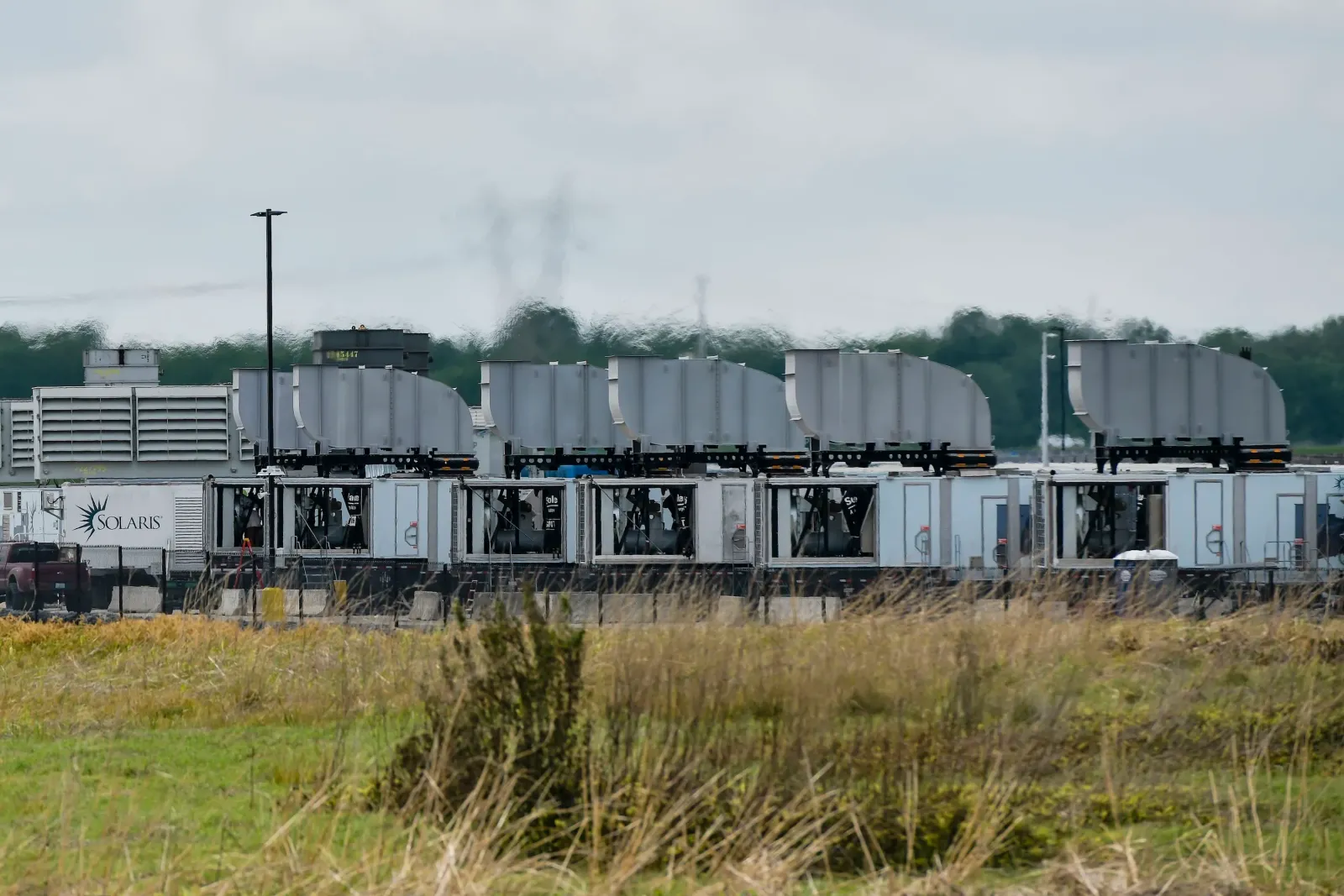
The Southern Environmental Law Center, representing the NAACP in the legal action, stated that the artificial intelligence enterprise had installed and operated at least 35 combustion turbines and other sources of air pollution at the Colossus site without ever obtaining the necessary preconstruction or operating air permits, while also violating the Clean Air Act.
xAI attempted to toss out the complaint by asserting that the turbines qualify for exemptions from permit rules due to their mobile nature, and contended that the plaintiffs lacked legal standing to file the suit.
Judge Debra M. Brown ruled that the claims will move forward, stating that the plaintiffs hold statutory standing under the Clean Air Act, the combustion turbines do not count as mobile sources under Mississippi state implementation rules, and the citizen suit provision does not breach Article II of the Constitution or the private nondelegation doctrine.
Addressing xAI arguments that citizen lawsuits are unconstitutional, Judge Brown noted that citizen suit plaintiffs sue on their own behalf, in their own name, and seek penalties that redress harm to themselves, meaning they do not exercise executive power of the federal government.
TechCrunch reached out to SpaceX for comment.
Abre Connor, the director of environmental and climate justice for the NAACP, released a statement calling the ruling another important victory in the effort to hold xAI accountable, following the denial of a similar dismissal motion from the Department of Justice earlier this month.
Connor stated that the courts repeatedly rejected attempts by xAI and the DOJ to dismiss the NAACP Clean Air Act case, affirming the right to pursue justice for communities impacted by pollution, and maintained that xAI cannot operate gas turbines without the required permits.
The NAACP lawsuit continues to advance as public sentiment turns sharply against data centers, following New York passing a moratorium on new facilities and other state and local governments weighing similar rules.
This public backlash also led Amazon and Microsoft to pledge an end to using non-disclosure agreements when dealing with government agencies, and the issue could play a major role in the upcoming U.S. midterm elections.