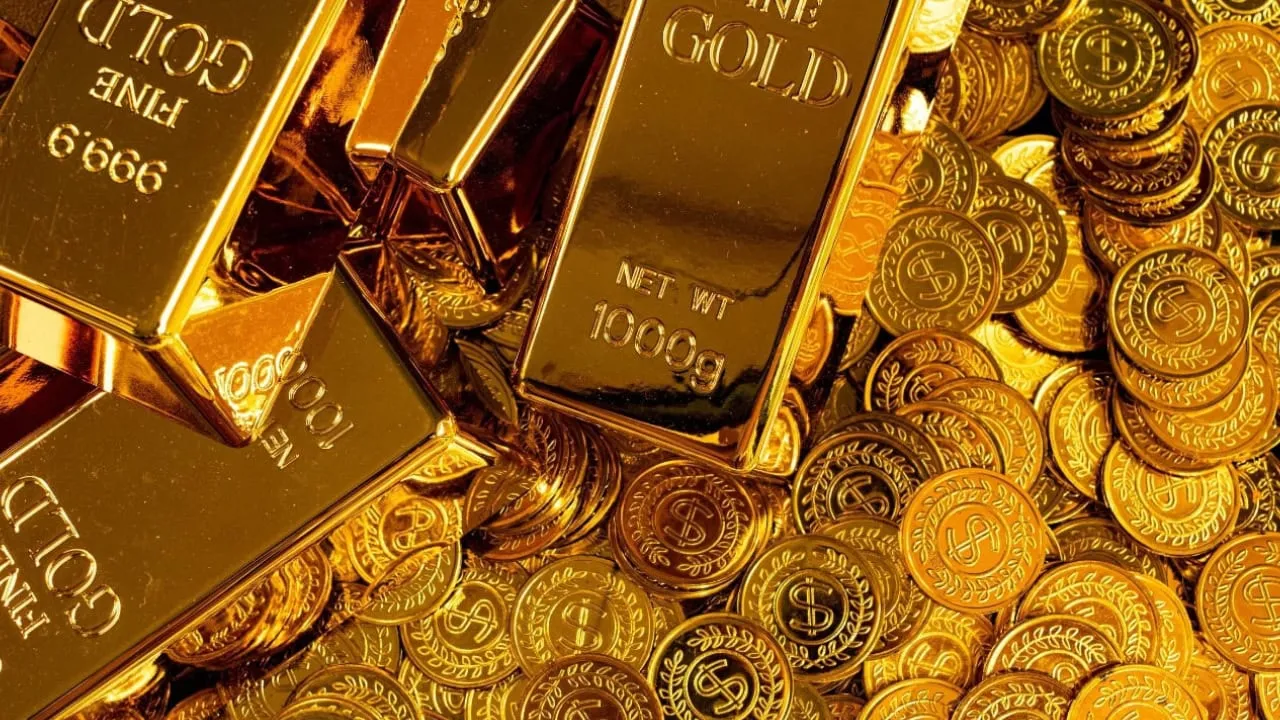
Stalled US-Iran negotiations are currently driving significant volatility in precious metals. President Trump recently demanded historical conflict compensation from Tehran. This demand effectively freezes ongoing peace talks. The sudden deadlock crushes any immediate hope of reopening the Strait of Hormuz. Consequently, spiking global oil prices fuel fresh inflation fears. Anxious investors aggressively buy gold and silver as safe-haven assets. In Pakistan, these international shocks push local prices of these assets sharply higher. Local Sarafa markets constantly adjust prices to absorb these macroeconomic hits.
What Caused the Recent Spike in Precious-Metal Prices?
The immediate trigger is the breakdown of US-Iran diplomatic engagement. President Donald Trump's demand for Tehran to pay compensation for past conflicts halted the tentative dialogue that had been opened in early 2024. Analysts say the deadlock raises the risk of renewed sanctions and threatens the free flow of oil through the Strait of Hormuz, a chokepoint that handles roughly one-fifth of the world's petroleum shipments.
When oil markets sense a potential supply disruption, Brent and WTI crude futures typically rally. Higher oil prices translate into broader inflationary pressure because transport costs rise, and commodity producers face higher input expenses. In emerging economies like Pakistan, where the currency already faces depreciation pressures, inflation expectations intensify.
Investors often turn to gold and silver as stores of value when real returns on cash and bonds appear threatened. The surge in buying pressure lifts spot prices in the global market, which then filters down to local markets through import channels and dealer price-setting mechanisms.
How Do Pakistani Sarafa Markets Set Gold and Silver Prices?
Pakistan's traditional bullion markets, known as Sarafa, operate on a combination of international spot rates, exchange-rate movements, and local demand-supply dynamics. Dealers receive the latest spot price in US dollars, convert it to rupees using the prevailing interbank exchange rate, and then add a margin to cover logistics, taxes, and profit.
For today's rates, the spot price of gold is $3,874.66 per troy ounce and spot silver is $47.561 per troy ounce. Assuming an exchange rate of roughly Rs. 285 per US dollar (the rate used by most dealers in the latest bulletin), the conversion yields a base rupee value of about Rs. 1,104,000 per kilogram of gold before margins. After applying standard dealer margins, the listed price per tola (approximately 11.6638 grams) stands at Rs. 402,507.
Silver follows a similar calculation. The spot price of $47.561 per troy ounce translates to roughly Rs. 13,560 per kilogram, and after margins the listed price per tola is Rs. 4,937.13.
Current Local Rates for Gold and Silver
| Metal (24K) | Per Tola | 10 Grams | 1 Gram |
|---|---|---|---|
| Gold | Rs. 402,507 | Rs. 345,090.40 | Rs. 34,509.04 |
| Silver | Rs. 4,937.13 | Rs. 4,232.87 | Rs. 423.287 |
These figures represent the most recent quotations posted by major Sarafa dealers in Karachi, Lahore and Islamabad. Prices are updated throughout the trading day as market participants react to news flow and currency fluctuations.
International Spot Rates for Reference
| Spot Gold | Spot Silver |
| $3,874.66 per troy ounce | $47.561 per troy ounce |
Spot rates are sourced from the London Bullion Market Association (LBMA) and reflect the price at which bullion can be bought or sold for immediate delivery. These benchmarks are widely used by central banks, institutional investors and local dealers to price physical gold and silver.
Why the Price Movement Matters for Pakistani Consumers and Businesses
Higher gold and silver prices affect a broad cross-section of the Pakistani economy. For households, gold is a traditional savings vehicle; rising prices increase the wealth stored in jewelry and bars, but also raise the cost of new purchases for weddings and festivals. Retailers of gold jewelry may see higher revenues but also face pressure from customers who delay purchases due to price sensitivity.
Silver, while less prominent as a savings instrument, is important for industrial applications such as electronics, photovoltaics and medical devices. An increase in the local price of silver can raise production costs for manufacturers that import the metal, potentially passing higher costs onto consumers.
Financial institutions that offer gold-linked investment products must adjust their pricing and margin structures. Moreover, the Central Bank of Pakistan monitors bullion imports closely because they impact the trade balance and foreign-exchange reserves.
What to Watch Next in the Precious-Metal Market
The trajectory of gold and silver prices will hinge on several variables:
- Developments in US-Iran talks: Any sign of de-escalation could ease oil-price pressure and temper bullion demand.
- Global oil price trends: A sustained rally above $80 per barrel would likely keep inflation fears alive.
- Pakistani rupee movements: A weaker rupee magnifies the rupee-price of imported bullion.
- Domestic monetary policy: If the State Bank of Pakistan raises interest rates to combat inflation, real yields on cash may become more attractive, potentially reducing safe-haven demand.
Investors and consumers should monitor official statements from the State Bank, updates from the Ministry of Finance, and real-time bullion price feeds provided by major dealers.
Practical Takeaways for Readers
1. If you are considering buying gold or silver as an investment, compare the listed dealer price with the international spot rate to gauge the margin you are paying.
2. For those who hold gold as a family asset, note that price spikes can increase the value of existing holdings but also make new purchases more costly.
3. Businesses that rely on silver for manufacturing should evaluate whether to lock in supply contracts now to avoid further price increases.
4. Keep an eye on the rupee-dollar exchange rate; a depreciation will directly lift local bullion prices even if global spot rates stay steady.
For live currency and cryptocurrency updates, visit our Crypto Page.