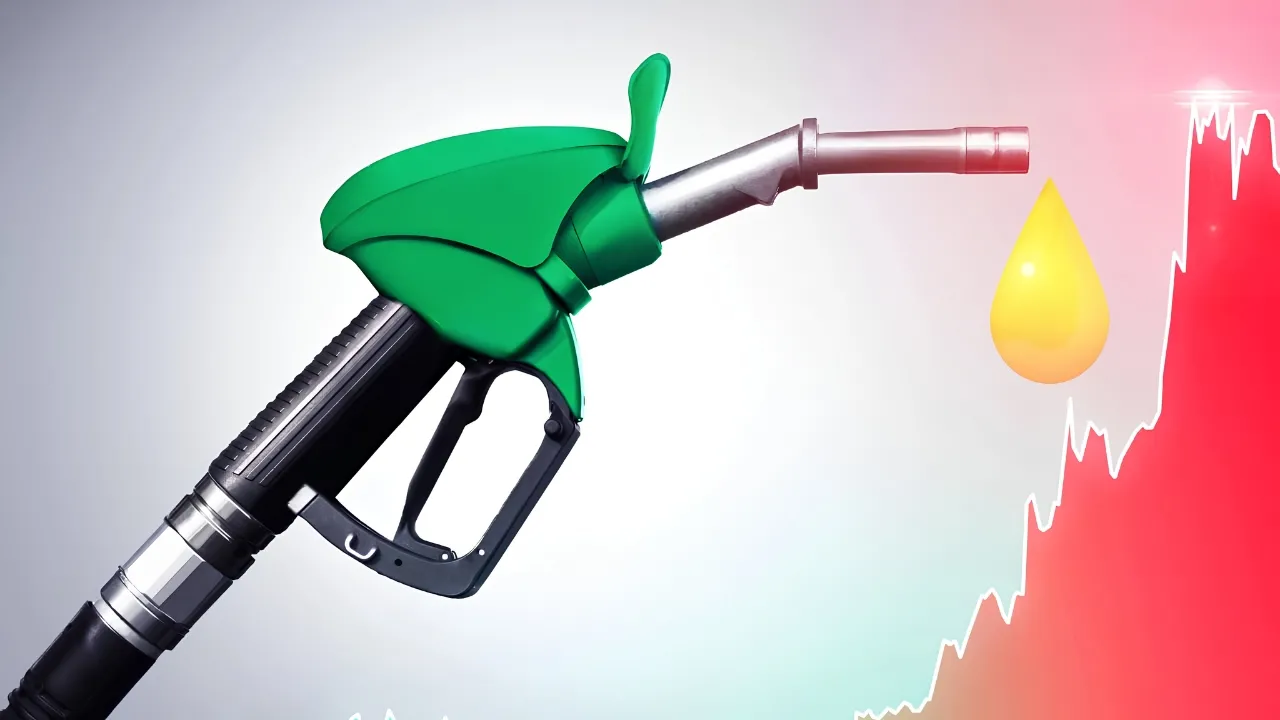
Effective 17 October 2026, Pakistan's Oil and Gas Regulatory Authority (OGRA) reduced the ex-depot price of Motor Spirit (petrol) to Rs. 328.00 per litre and High Speed Diesel (HSD) to Rs. 358.00 per litre, a PKR 2 drop for each product. The change marks the first day of a new regime in which OGRA will revise petroleum prices every 24 hours.
The daily-adjustment policy is intended to protect the Pakistani economy from the extreme volatility caused by the 2026 US-Israel war on Iran and the ensuing disruption of global oil supplies. By moving the price-setting mechanism to a 24-hour cycle, the government hopes to smooth out sudden spikes that could otherwise hurt consumers and businesses.
Why OGRA Shifted to Daily Price Adjustments
Since early 2026, the world oil market has been under unprecedented stress. In late February, Iran closed the Strait of Hormuz, a chokepoint that handles roughly 25 % of global seaborne oil trade. The closure halted a major flow of crude to Asia, Europe and the United States. In response, the United States imposed a naval blockade on Iranian ports, further constricting supply.
A brief cease-fire in June raised hopes of a return to normalcy, but the truce collapsed on 8 July when renewed attacks on commercial vessels forced Iran to seal the strait again. The United States then launched a series of airstrikes aimed at reopening the passage. The back-and-forth has kept global oil shipments under constant pressure, pushing Brent crude above US$ 100 per barrel for much of the second half of 2026.
For Pakistan, a net oil-importer, the ripple effects are immediate. Higher import bills translate into larger fiscal deficits and pressure on the foreign exchange reserve. Historically, the government has adjusted fuel prices on a monthly basis, a cadence that often lags behind market swings. The daily-adjustment model is designed to align domestic pump prices more closely with international spot rates, reducing the lag that can cause sudden, large-scale price shocks.
How the New Pricing Mechanism Works
OGRA will publish a revised ex-depot price for each petroleum product at the end of every 24-hour period. The price reflects the latest international crude price, exchange-rate movements, and the cost of transportation and taxes. The announced price becomes effective at 00:01 hours the following day and remains unchanged for the next 24 hours.
Adjustments will not be made on Saturdays, Sundays or public holidays, as stipulated in the agency's recent statement:
These daily adjustments will remain unchanged during weekends (Saturdays and Sundays) and public holidays.This exception provides a predictable schedule for retailers and consumers during non-working days.
Retailers are required to update pump displays within two hours of the official announcement. Failure to comply can result in fines up to Rs. 50,000 per violation, according to the OGRA tariff regulations.
Impact on Consumers and the Economy
The immediate effect of the PKR 2 reduction is modest for individual drivers, but the cumulative impact can be significant. Assuming an average car consumes 8 litres per 100 km, a driver traveling 1 000 km per month would save roughly Rs. 16 on petrol and Rs. 16 on diesel under the new rates.
For commercial fleets, the savings add up quickly. A logistics company operating 200 litres of diesel per day would see a daily cost reduction of Rs. 400, equating to Rs. 12 000 per month. Over a year, the aggregate savings for the sector could reach several hundred million rupees, easing pressure on transport-linked inflation.
At the macro level, stabilising fuel prices helps contain the headline inflation rate, which has hovered around 12 % since early 2026. Lower fuel costs reduce operating expenses for agriculture, manufacturing and services, potentially supporting GDP growth, which the State Bank of Pakistan projects at 4.5 % for FY 2027-28.
Historical Context of Fuel Pricing in Pakistan
Pakistan has a long history of subsidising fuel to keep prices affordable for the public. Since the early 2000s, the government has used a combination of direct subsidies, tax adjustments and price caps to manage pump prices. However, these measures have often strained the fiscal budget, contributing to recurring balance-of-payments crises.
The last major shift in pricing policy occurred in 2022 when the government moved from a fixed-price regime to a market-linked model, allowing quarterly adjustments based on international oil prices. That change reduced the fiscal burden but also introduced greater volatility for consumers. The 2026 daily-adjustment approach can be seen as a further evolution, aiming to balance fiscal sustainability with consumer protection.
What Comes Next: Monitoring and Future Adjustments
OGRA has committed to publishing a daily price bulletin on its website and through major news agencies. The agency will also hold a press briefing every Friday to review the week's price trends and to explain any significant deviations.
Stakeholders are advised to watch three key indicators:
- Brent crude price movements, especially any breach of the US$ 110 per barrel threshold.
- Exchange-rate fluctuations of the Pakistani rupee against the US dollar.
- Geopolitical developments affecting the Strait of Hormuz, including any renewed diplomatic negotiations or escalations.
While the daily-adjustment system is now in place, the government has not announced a timeline for reverting to a less frequent schedule. The policy will remain until the international oil market stabilises, which analysts suggest could take several months to a year.
Practical Takeaways for Readers
Consumers should check pump prices each morning, as they may differ from the previous day's rate. Drivers can plan longer trips on days when prices dip, and businesses should update budgeting spreadsheets to reflect the 24-hour price cycle.
Retailers must ensure that price boards are updated promptly to avoid penalties. For those who rely on fuel vouchers or subsidies, the daily-adjustment mechanism does not alter eligibility criteria, but the amount of subsidy per litre may vary with each price change.
Overall, the PKR 2 reduction on 17 October 2026 is a small but tangible relief in a period of heightened global oil uncertainty. By aligning domestic fuel prices with daily market realities, Pakistan hopes to shield its economy from the worst of the current energy shock.