Government Orders Banks to Ease Small Business Loans
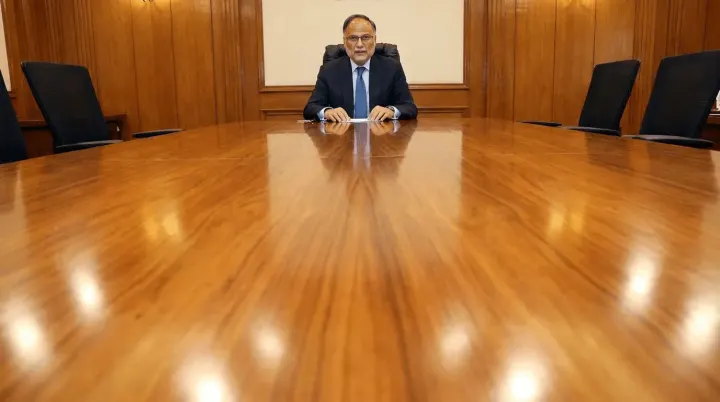
The government has directed commercial banks and other financial institutions to make loans more accessible to small businesses and speed up the financing process. Finance Minister Muhammad Aurangzeb chaired a meeting to review lending to Small and Medium Enterprises and discuss ways to help more businesses obtain bank financing. The meeting reviewed the volume of loans issued to small businesses and the number of firms receiving financing. Officials noted that although lending had increased, bringing more small businesses into the formal banking system remained a priority. The finance minister stressed that commercial banks, microfinance banks and non-bank financial institutions should expand their lending to smaller enterprises, particularly those involved in exports.
Role of the SME Connect Portal in Modern Lending
The meeting also reviewed the newly launched SME Connect portal, which allows small businesses to apply for loans directly and connect with banks. Aurangzeb welcomed the initial response to the platform, saying thousands of applicants had shown interest since its launch earlier this week. He directed officials to improve the portal and simplify its procedures so businesses can access financing more easily. Digital platforms represent a modern approach to bridging the gap between traditional banking institutions and smaller commercial operators who often struggle with paperwork. By streamlining the application journey, authorities hope to cut down the time required from initial submission to final loan disbursement. Officials believe that digital accessibility will encourage sole proprietors and partnership firms to step away from informal credit markets and engage with regulated financial institutions.
Export-Oriented Financing and Bank Coordination
The meeting discussed better use of financing limits reserved for small businesses, particularly loans for export-related activities. Aurangzeb called for closer coordination between banks and the Small and Medium Enterprises Development Authority to help businesses meet lending requirements and improve their chances of securing loans. Export growth remains a central pillar of economic strategy, and smaller manufacturers often require working capital to fulfill international orders. Financial institutions must evaluate how their internal credit scoring models treat emerging exporters who lack extensive collateral history. Enhanced coordination with development authorities aims to bridge advisory gaps so applicants present stronger proposals to credit committees.
Resolving Regulatory Hurdles for Small Businesses
Aurangzeb directed relevant ministries to identify and resolve regulatory hurdles affecting small business financing. Compliance burdens and rigid documentation requirements frequently discourage business owners from approaching commercial lenders. Simplifying these rules requires cooperation across multiple government departments to harmonize tax records, registration documents and credit history reporting. Removing these friction points helps institutions extend credit safely while expanding their customer base. Commercial lenders often cite high administrative costs associated with small ticket loans as a barrier to expanding portfolios in this segment.
Broader Economic Goals and Formal Economy Expansion
The government says expanding access to credit for small businesses is part of its broader plan to increase investment, bring more businesses into the formal economy and boost exports. Bringing informal enterprises into the documented sector broadens the tax base and provides these businesses with safety nets and legal protections. Formal banking channels offer businesses transparent interest rates and structured repayment terms that informal moneylenders cannot match. Policymakers view sustained credit growth as essential for job creation and industrial diversification. As banks increase their exposure to small and medium enterprises, risk management practices must evolve to support sustainable lending without compromising financial stability.