Government Moves to Introduce Merchant Discount Rate for Raast QR Payments
The Finance Division has directed the State Bank of Pakistan to prepare a working paper seeking approval of a merchant discount rate scheme for Raast QR payments, as the government moves to expand digital transactions. Minister of State for Finance Bilal Azhar Kayani issued the instruction at a meeting of the Cashless Pakistan Committee on Thursday. The meeting followed a review chaired by Prime Minister Shehbaz Sharif last Friday.
The push toward a merchant discount rate framework marks a new phase in the national strategy to digitize financial transactions. By establishing clear pricing and incentives for merchants, authorities hope to encourage broader adoption of digital payment acceptance points across retail sectors. The shift relies heavily on the existing instant payment infrastructure to ensure transactions settle quickly and securely between buyers and sellers.
Understanding the Cashless Pakistan Initiative and Raast QR
The Cashless Pakistan initiative serves as the overarching government program designed to reduce reliance on cash and bring more economic activity into the formal banking sector. At the heart of this effort is Raast, the instant payment system managed by the central bank. Raast allows individuals and businesses to transfer funds instantly with minimal friction and low or zero transaction fees for end users.
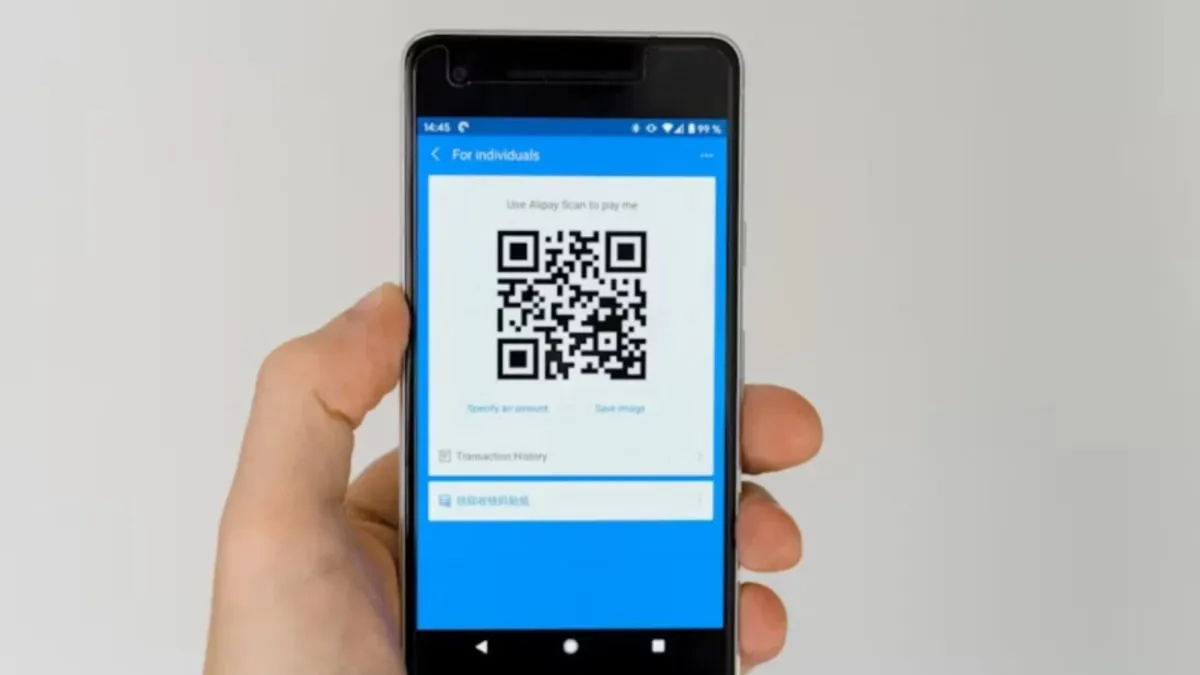
QR code payments connected to Raast have transformed how everyday purchases and government dues are handled. Instead of cash exchanges or card swipes through traditional point-of-sale terminals, customers scan a quick response code using their mobile banking apps or digital wallets. This method reduces the operational costs associated with physical cash handling, such as transportation, security and counting.
Growth in Digital Payment Adoption and Merchant Networks
Under the Cashless Pakistan initiative, the number of active merchants accepting digital payments has risen from 500,000 to 2.03 million, according to the government. This fourfold increase reflects a concerted effort by financial institutions and tech companies to sign up small shopkeepers, large retail chains and service providers.
QR codes now appear on more than 45 million gas and electricity bills, and all National Database and Registration Authority centres can accept Raast QR payments. The Finance Division said the overall volume of digital payments has doubled over the past year. These metrics demonstrate widespread integration of digital tools into daily utility payments and government interactions.
Monitoring Frameworks and Economic Indicators
The committee discussed the proposed Raast QR merchant discount rate framework and the government's dashboard for monitoring digital payments. The revised dashboard indicators will track transaction volumes, transaction values and the number of unique account users. Monitoring these specific metrics helps policymakers identify bottlenecks and measure the success of promotional campaigns.
Kayani also asked the central bank to consider adding broader economic indicators, including the ratio of payments processed through the Real-Time Gross Settlement system to gross domestic product. Tracking the Real-Time Gross Settlement system ratio provides a macro-level view of how much high-value economic activity moves through electronic channels compared to the total size of the economy.
Integration with Government Disbursements and Upcoming Banking Meetings
From November 16, payments for Asaan Assignment Accounts across the country will be processed through Raast. Drawing and disbursing officers have been trained for the transition. This integration ensures that public sector financial flows increasingly rely on instant payment rails rather than traditional paper-based methods.
Kayani plans to meet the presidents and chief executive officers of banks in Karachi to discuss their role in expanding digital payments. These high-level discussions aim to align commercial banking strategies with national policy goals, ensuring that financial institutions invest in necessary infrastructure and support merchant acquisition efforts.
Stakeholder Participation and Institutional Coordination
Representatives of the Finance Division, the State Bank of Pakistan, the Ministry of Information Technology and Telecommunication and the National Database and Registration Authority attended the meeting. Their presence highlights the cross-sectoral nature of the digital transformation effort, requiring coordination between monetary authorities, technology ministries and database administrators.
Executives from Easypaisa Digital Bank, JazzCash, Bank Alfalah, JS Bank and Karandaaz Pakistan also participated in the discussions. The involvement of private sector wallet operators, commercial banks and development finance organizations ensures that the proposed merchant discount rate scheme and broader policies reflect practical market conditions and commercial viability.