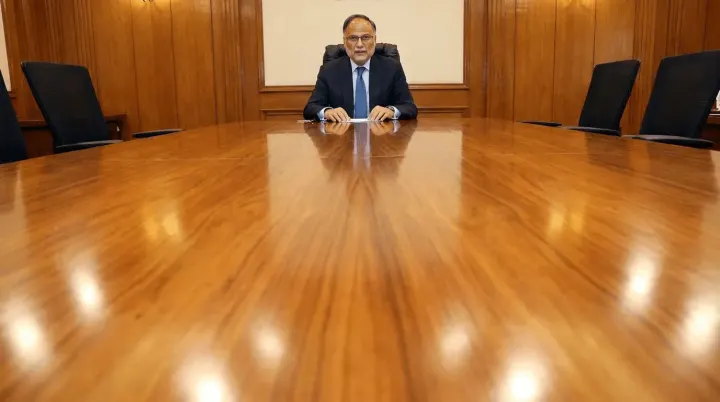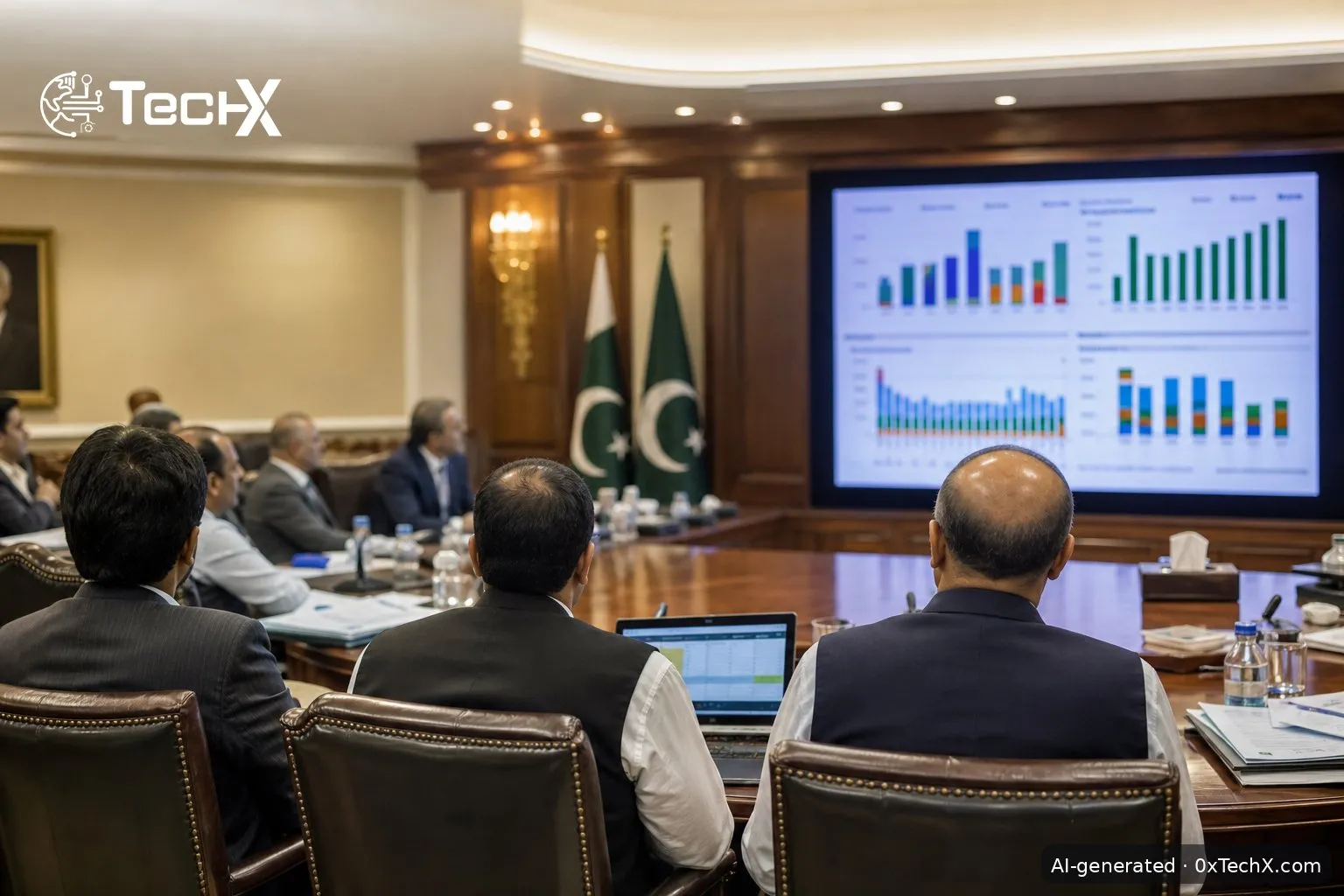
Minister of State for Finance Bilal Azhar Kayani chaired a high-level follow-up meeting at the Finance Division in Islamabad this week, moving the Cashless Pakistan roadmap closer to its targets after a direct review by Prime Minister Shehbaz Sharif.
The session translated the prime minister's order to develop a clear timeline for 100% digital payments into concrete actions, focusing on faster digital-payment reforms, improved banking services and easier electronic transactions for citizens and businesses.
Why the Cashless Pakistan Roadmap Matters Right Now
Prime Minister Shehbaz Sharif recently directed authorities to produce a roadmap with specific milestones for achieving 100% digital payments across the country. The Finance Division meeting was a direct response, turning the political directive into operational steps.
Launched in June 2025 under the prime minister's supervision, the initiative rests on three pillars: enhancing public convenience, promoting transparency and accelerating formal documentation of the economy through digital payments.
What Happened at the Finance Division Meeting
During the meeting, Minister Kayani instructed the State Bank of Pakistan to draft a working paper for approval of the Raast QR Merchant Discount Rate (MDR) scheme. The MDR is the small fee charged when a customer pays digitally, and its level will determine whether small shop owners and other merchants adopt digital payments or continue to rely on cash.
Kayani also demanded accurate, validated and non-duplicated data on the Cashless Pakistan dashboard. Clean data is essential for measuring progress consistently and transparently. Without it, a user counted twice on two different apps could be mistaken for two separate users, undermining accountability.
The minister asked private-sector representatives to prepare recommendations on tax-policy reforms that could facilitate wider adoption of digital payments. He emphasized that cooperation between banks, government departments and digital-payment companies is necessary to meet the national targets.
Who Was in the Room
Senior representatives of the Finance Division, State Bank of Pakistan, Ministry of Information Technology and Telecommunication, NADRA and Pakistan Digital Authority attended. Private-sector participants included the Pakistan Banking Association, Easypaisa Digital Bank, JazzCash, Bank Alfalah, JS Bank and Karandaaz Pakistan.
Key Numbers Behind the Push
Annual digital transactions have risen from 6.9 billion to 11.3 billion in a single year. Active digital-payment merchants have grown from 0.5 million to over 2 million under the Raast QR Code initiative, while digital-banking users now exceed 135 million.
Financial inclusion has reached 69 percent, and 25 high-impact federal and provincial entities have been identified for complete digitisation through Raast by December this year.
These figures illustrate rapid growth, but the government's focus on deduplicating user data suggests that some numbers may be adjusted downward once counting is tightened, a step that will improve long-term reliability.
The November 16 Raast Deadline You Should Know About
From 16 November, all payments under the identified accounts across the country will be processed through the Raast digital system. Cheque-based payments through Easy Assignment Accounts will be discontinued from 15 November 2026. Businesses that receive government payments must adapt immediately.
Beneficiaries of the Benazir Income Support Programme already receive all payments through digital wallets, making the programme fully digital and one of the largest cash-transfer schemes in Pakistan.
What Comes Next on the Cashless Pakistan Roadmap
Digitisation of payments across federal and provincial institutions is progressing rapidly, with most departments expected to complete the transition by December 2026.
Officials have presented a phased 12-month implementation roadmap covering approval, design, execution and independent assessment. The independent assessment will provide an outside check on whether targets are truly being met.
The prime minister also stressed that expanding internet access and ensuring affordable technology for the public are essential to a cashless economy. This links the digital-economy push directly to Pakistan's connectivity gap.
In parallel, the government is encouraging the routing of rising remittances through digital channels, reinforcing the broader strategy to document economic activity.
Frequently Asked Questions
What is the Cashless Pakistan roadmap?
The Cashless Pakistan roadmap is the government's plan to shift all payments by citizens, businesses and government departments to digital channels, including digital wallets, Raast QR codes and online banking, with a goal of 100 percent digital payments across Pakistan.
What is the role of Bilal Azhar Kayani in this initiative?
Three sub-committees operate under the main Cashless Pakistan Committee: Digital Payments Innovation and Adoption led by the Governor of the State Bank, Digital Public Infrastructure led by the Minister of IT, and Digitising Government Payments led by the Finance Secretary. Kayani chairs the main committee and coordinates all three tracks.
What is Raast and why does it matter?
Raast is Pakistan's instant digital payment system, run by the State Bank of Pakistan. It enables real-time transfers between bank accounts and digital wallets at no cost to the user. The Raast QR Code system lets merchants accept payments via a simple scan and is described by the prime minister as instrumental in achieving a cashless economy.
When will Pakistan fully go cashless?
There is no single date for a fully cashless Pakistan, but near-term targets are set. Payments in most government institutions are expected to be fully digitised by December 2026. A 12-month phased roadmap for the whole economy is being finalised, with the Finance Division responsible for tracking and reporting progress.