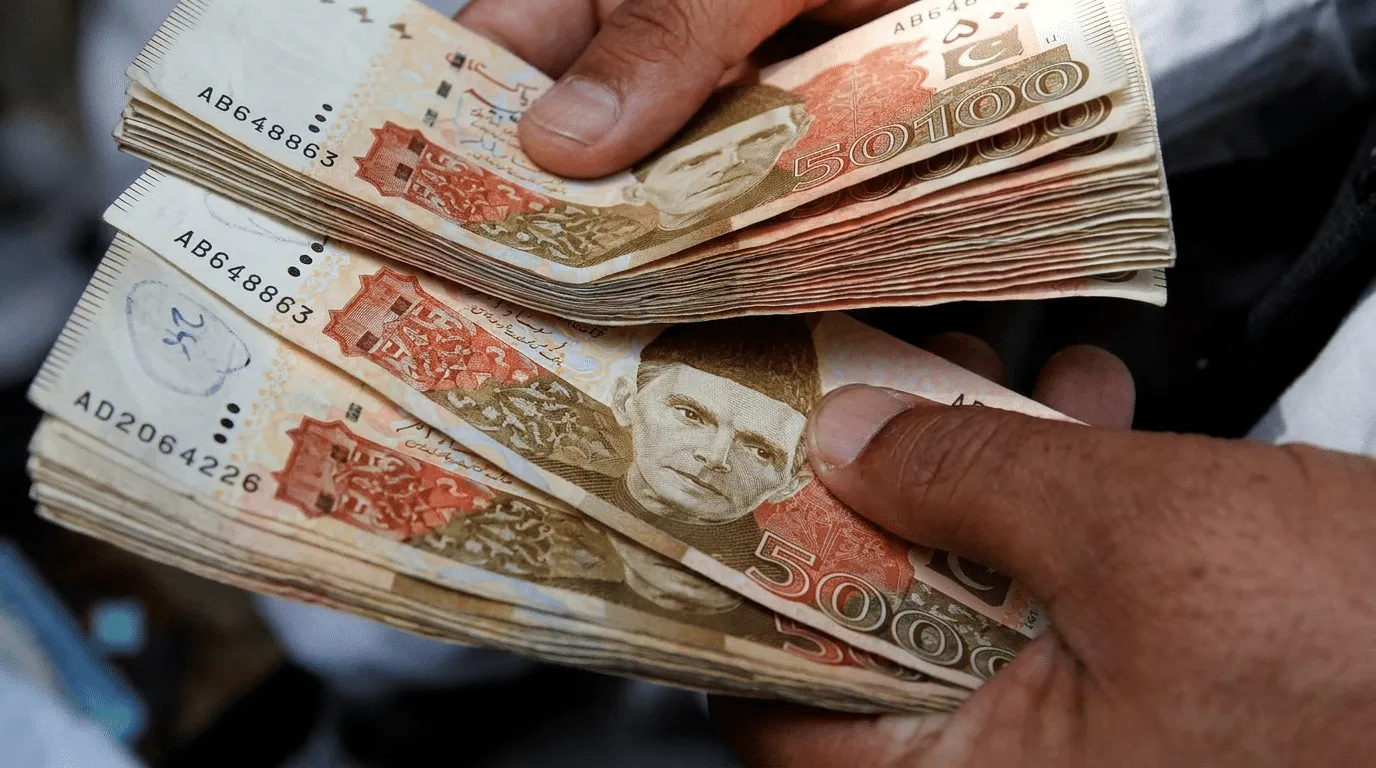
Federal Government Adjusts Financial Reporting Thresholds
The federal government has increased the cash transaction reporting limit for banks and other financial institutions from Rs. 20 million to Rs. 30 million under the Anti-Money Laundering Act. This regulatory adjustment alters how financial entities monitor large movements of physical currency within the banking system. The Ministry of Finance has issued a notification revising the threshold for Currency Transaction Reports, with immediate effect.
Financial institutions now operate under this new limit, which directly affects how compliance departments log and transmit data regarding high-value physical currency exchanges. The previous limit of Rs. 20 million had been in place for a structured duration before this administrative review. Regulatory authorities continuously evaluate these thresholds to balance compliance burdens with the detection of illicit financial flows.
Administrative adjustments of this nature require formal coordination between multiple state apparatuses. The Ministry of Finance acts as the primary executive organ for issuing the legal notification, while specialized committees provide the necessary policy approval. The official notification confirms that the adjustment applies across the board to all designated reporting entities operating within the jurisdiction.
Role of the Financial Monitoring Unit in Transaction Reporting
Under the new rules, banks and other reporting entities must report cash transactions of Rs. 30 million or above to the Financial Monitoring Unit. The Financial Monitoring Unit serves as the central national agency responsible for receiving, analyzing, and disseminating financial intelligence. When a bank registers a transaction meeting or exceeding the newly established Rs. 30 million mark, compliance officers transmit the relevant data to this specialized body.
The Financial Monitoring Unit processes these Currency Transaction Reports alongside other data streams, such as suspicious transaction reports, to detect potential financial crimes. The agency evaluates patterns of currency usage to identify anomalies that might indicate tax evasion, illicit enrichment, or illegal capital flight. By raising the threshold to Rs. 30 million, the reporting mechanism focuses attention on larger volumes of cash while adjusting for inflation and economic growth over time.
Reporting entities maintain rigorous internal software systems designed to flag these transactions automatically. Once a customer executes a cash deposit, withdrawal, or transfer reaching the threshold, the core banking system generates an alert. Compliance personnel verify the documentation before submitting the required electronic reports to the central agency within mandated timeframes.
Approval by the National Executive Committee on AML and CFT
The change was approved by the National Executive Committee on Anti-Money Laundering and Countering the Financing of Terrorism. This high-level body formulates national strategy and oversees the implementation of measures designed to protect the financial sector from illicit exploitation. The committee evaluates proposals from various government departments before giving formal endorsement to regulatory amendments.
Decision-making within the National Executive Committee involves representatives from key economic, law enforcement, and regulatory agencies. Their collective mandate includes ensuring that the national legal framework aligns with international standards while remaining practical for domestic financial institutions. The endorsement of the Rs. 30 million limit reflects a consensus among these stakeholders regarding the appropriate calibration of reporting rules.
Strategic oversight by the committee ensures that adjustments to financial regulations do not inadvertently compromise the integrity of the oversight apparatus. While raising the limit reduces the administrative volume of reports for smaller transactions, the focus shifts toward higher-value movements. The committee monitors the implementation of these rules to ensure compliance across all commercial banks, microfinance institutions, and other designated reporting entities.
Understanding Currency Transaction Reports and Regulatory Frameworks
According to the notification, the revised threshold forms part of the government's framework for reviewing and analysing suspicious transaction reports and currency transaction reports. Currency Transaction Reports differ from suspicious transaction reports because they are triggered purely by a numerical threshold rather than behavioral indicators. Any physical cash exchange hitting the Rs. 30 million mark requires mandatory reporting, regardless of whether the customer's behavior appears suspicious.
The broader regulatory framework relies on these dual reporting mechanisms to maintain transparency in the banking sector. Suspicious transaction reports capture unusual customer activity, complex transfers, or transactions lacking clear economic justification. Currency transaction reports provide a comprehensive ledger of large physical cash movements, helping authorities map liquidity trends and trace the physical movement of money.
Compliance with the Anti-Money Laundering Act remains mandatory for all licensed financial institutions. Failure to report transactions meeting the threshold can result in regulatory penalties, audits, and legal scrutiny for the offending institution. Banks dedicate significant resources to training staff, updating algorithms, and maintaining secure communication channels with the central financial intelligence agency.
Practical Impact on Banks and Financial Institutions
The new limit replaces the previous Rs. 20 million threshold and takes effect immediately. Commercial banks and financial intermediaries adjusted their internal data processing protocols upon the release of the Ministry of Finance notification. Compliance divisions updated their monitoring software to reflect the Rs. 30 million benchmark for Currency Transaction Reports without delay.
For bank customers, the change alters the administrative threshold at which large cash movements trigger mandatory data transmission to state authorities. While everyday banking operations continue without interruption, businesses and individuals handling large amounts of physical cash must provide standard verification documents as required by institutional policy. Financial institutions retain the obligation to verify the source of funds and maintain accurate records for all high-value exchanges.
The immediate implementation date required swift internal communication within the banking sector. Compliance officers disseminated updated guidelines to branch networks across the country to ensure uniform application of the new rule. This seamless transition highlights the operational readiness of financial institutions to adapt to regulatory updates issued by the federal government.