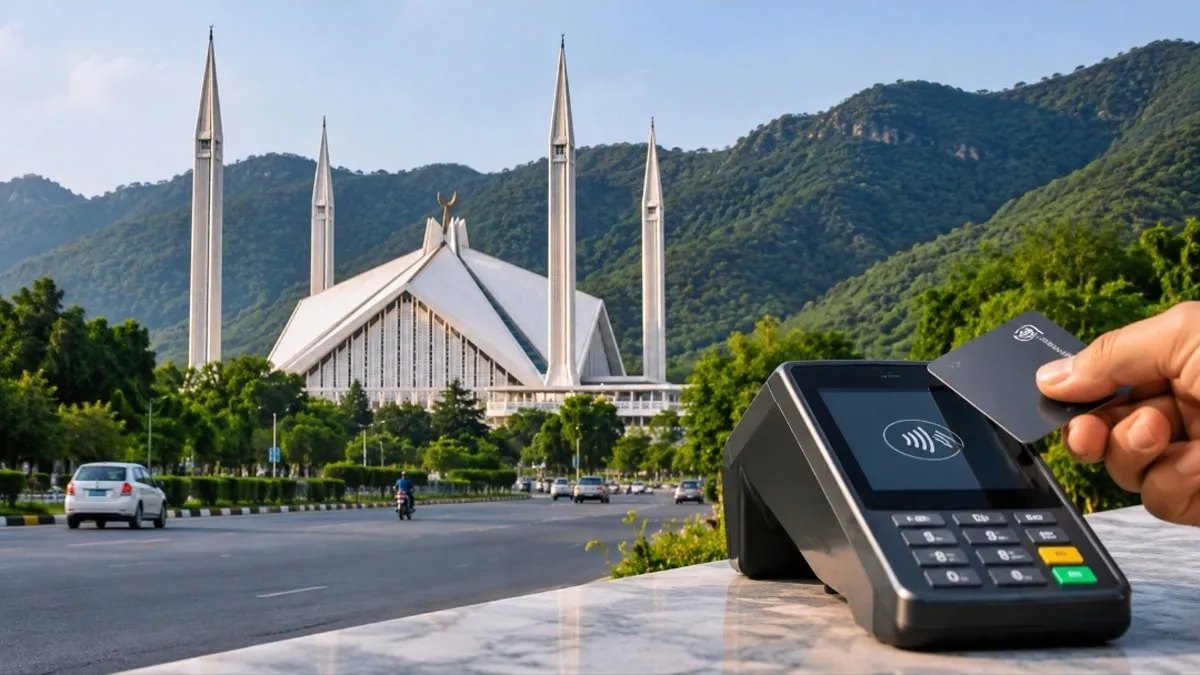
Islamabad Set to Become Pakistan's First Cashless City
The federal government has set a definitive deadline to make Islamabad Pakistan's first fully cashless city, with officials targeting December 31 to complete the transition. This ambitious administrative shift aims to modernize the financial infrastructure of the capital territory, bringing digital payment mechanisms to all public offices, local merchants, and daily transactions. Minister of State for Interior Talal Chaudhry announced the timeline following a high-level administrative meeting dedicated to reviewing the mechanics of the digital rollout.
The push toward a digital economy represents a major structural change in how citizens interact with municipal services and local commerce. By phasing out physical currency in government departments and merchant stores, authorities hope to curb informal cash hoarding, streamline tax collection, and bring complete transparency to financial flows within the federal capital. The initiative has been placed on a fast track, requiring coordination between municipal regulators, financial institutions, and the retail sector.
Details of the Cashless Islamabad Initiative Meeting
The official announcement emerged from a dedicated meeting on the Cashless Islamabad initiative chaired by Minister of State for Interior Talal Chaudhry. The gathering brought together key administrative and financial stakeholders, including Capital Development Authority Chairman Sohail Ashraf, banking sector representatives, and various other senior government officials.
During the session, participants discussed the practical steps required to overhaul the payment architecture of the city. Banking executives used the platform to voice their support for the undertaking, offering assurances that financial institutions would provide full cooperation to ensure smooth processing infrastructure for digital transactions. Chaudhry stressed that continuous input from all stakeholders would play an important role in the project's success, ensuring that technical bottlenecks are resolved before the hard deadlines take effect.
Key Deadlines for Government Offices and Merchants
The transition plan relies on two distinct target dates that will gradually eliminate physical currency from administrative and commercial settings across the federal territory. First, Chaudhry announced that the Islamabad Capital Territory administration and the Capital Development Authority would stop accepting cash payments at all their departments after November 30. This means citizens visiting municipal offices for permits, utility bills, or local fees must use digital channels starting December.
Following the municipal cutoff, the broader commercial transition reaches its climax at the end of the year. The government targets December 31 to bring all merchants in the capital into the digital payment system. Officials plan to extend digital payment facilities to everyone, from street vendors to major commercial businesses. So far, around 26,000 merchants have joined the network, marking a substantial starting base for the citywide rollout.
Vision Behind Making Islamabad a Cashless Capital
The political impetus behind the project stems from high levels of government. Chaudhry noted that Interior Minister Mohsin Naqvi had promised the prime minister that Islamabad would be made Pakistan's first cashless city and the world's first cashless capital. This grand vision requires transforming everyday consumer habits in a region where cash has traditionally dominated retail trade.
By compelling both public offices and private vendors to adopt electronic point of sale systems and mobile applications, the state intends to reshape the economic environment of the capital. Government planners expect the transition to improve financial transparency, tax monitoring, and transaction systems significantly. Enhanced tax monitoring is seen as a vital tool for broadening the national tax base, ensuring that small and large businesses alike properly record their daily revenues.
Impact on Citizens, Vendors, and the Banking Sector
The shift to a cashless society carries practical implications for everyone living, working, or conducting business in Islamabad. Citizens will need to adapt to digital wallets, bank transfers, and card payments for all official dealings with the Capital Development Authority and the Islamabad Capital Territory administration. For small street vendors and local shopkeepers, adopting digital payments requires acquiring QR codes or mobile transaction terminals supported by participating commercial banks.
Banking sector representatives who attended the ministerial meeting have taken on the responsibility of onboarding these diverse merchants. Financial institutions stand to gain a larger base of active digital users, integrating previously unbanked or cash-reliant micro-entrepreneurs into the formal financial ecosystem. The cooperative approach between the state and private banks is designed to make the onboarding process straightforward for vendors who might otherwise struggle with technological requirements.





