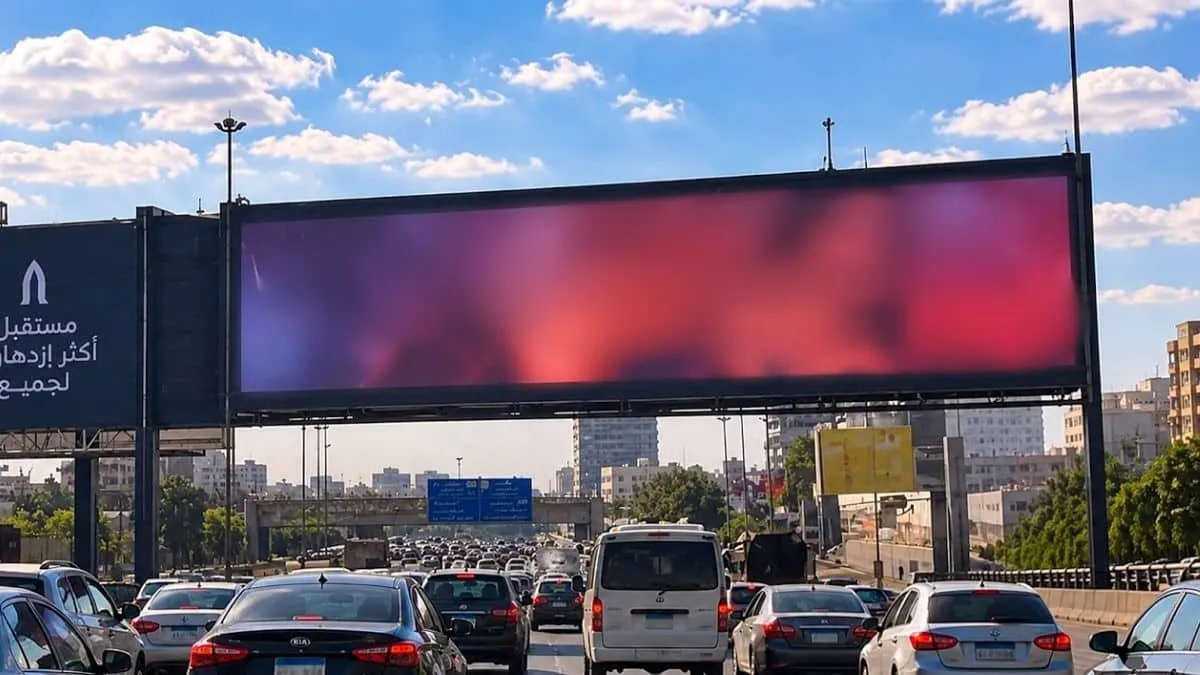
Hackers Take Over Digital Billboard on Cairo Highway
Hackers took over a digital advertising billboard on one of Egypt's busiest highways to broadcast pornographic videos, according to the government and local media. The incident occurred on Cairo's 26th of July Axis. Drivers stopped their cars and used their phones to record the screen, while footage of the breach spread across social media.
The sudden appearance of explicit content on a major public thoroughfare caused significant disruption and immediate public attention. Commuters halted their vehicles mid-traffic to capture the spectacle on mobile devices, ensuring the event gained rapid traction online. Such breaches of outdoor digital infrastructure highlight vulnerabilities in modern urban advertising networks.
Details of the Digital Breach and Social Media Spread
Videos circulating online showed the text "Leaked by: Ch, 19ylegal never and nivex" over the explicit footage. The screen also displayed the Telegram channel username @LeakersGov. These digital fingerprints left by the perpetrators point toward coordinated online groups that often claim responsibility for cyber intrusions across various global platforms.
The rapid dissemination of video clips across social media platforms amplified the reach of the stunt far beyond the physical location on the 26th of July Axis. Observers and digital security analysts watched as the footage was shared thousands of times. This phenomenon demonstrates how physical public disruptions quickly transform into viral digital events.
Government Response and Investigation Into the International Company
Egypt's interior ministry said an advertising firm owned the screen and operated under a contract with an international company. According to the ministry, hackers targeted the international company's website, causing the billboard to display unauthorized footage. It added that the attack affected several other countries at the same time. However, officials did not name the company or identify the other affected countries.
The involvement of an international firm points to supply chain vulnerabilities in digital out-of-home advertising networks. Modern billboards often rely on centralized content management systems accessible via the internet, which can become targets for remote cyber attacks if security protocols fail. Authorities are currently examining how the breach of the corporate website translated into physical screen control.
Global Scope of Similar Electronic Billboard Hacks
Separately, local media reported similar broadcasts of sexually explicit material on electronic billboards in Iraq, Malaysia, and Brazil. Authorities elsewhere in the region have previously switched off electronic advertising boards after similar incidents involving pornographic broadcasts. These parallel events suggest a broader, potentially coordinated campaign targeting digital signage infrastructure worldwide.
The international dimension of the attacks complicates the investigative work required by law enforcement agencies in Egypt and other affected nations. Cybersecurity experts frequently warn that centralized software used to manage multiple remote screens creates single points of failure. When an upstream provider suffers a security compromise, downstream displays in multiple countries can fall under external control simultaneously.
Security Vulnerabilities in Modern Outdoor Advertising
Outdoor digital advertising has replaced traditional printed billboards in many major metropolitan areas around the world. These screens offer dynamic content capabilities, allowing operators to change advertisements remotely and schedule campaigns efficiently. However, this connectivity introduces new risks that traditional billboards never faced.
Operators of digital signage must balance the convenience of remote management with robust cybersecurity measures. Incidents of unauthorized screen takeovers often exploit weak login credentials, unpatched software vulnerabilities, or compromised third-party vendor systems. As municipal authorities and private companies expand digital infrastructure, securing these displays remains a pressing challenge for urban security management.
What Watchers and Authorities Look For Next
Investigations into the Cairo highway breach continue as security agencies trace the digital footprints left on the screen. Officials have not yet announced arrests or specific attribution beyond the names and handles displayed during the incident. Observers will monitor whether international cooperation yields identification of the perpetrators behind the @LeakersGov channel.
Meanwhile, advertising firms and city regulators are reviewing operational protocols for public screens. The temporary shutdown of boards in other regional jurisdictions following similar events indicates that preventative blackouts remain a reactive tool when security fails. Ensuring the integrity of public digital displays requires stricter oversight of third-party software vendors and international corporate partners.